
🏠 Home > 🗺️ Recipes > 🥪 Appetizers > 🇵🇾 Paraguay Appetizers
🇵🇾 🥪 Paraguay Appetizers Recipes
Published by Supakorn | Updated: February 2026
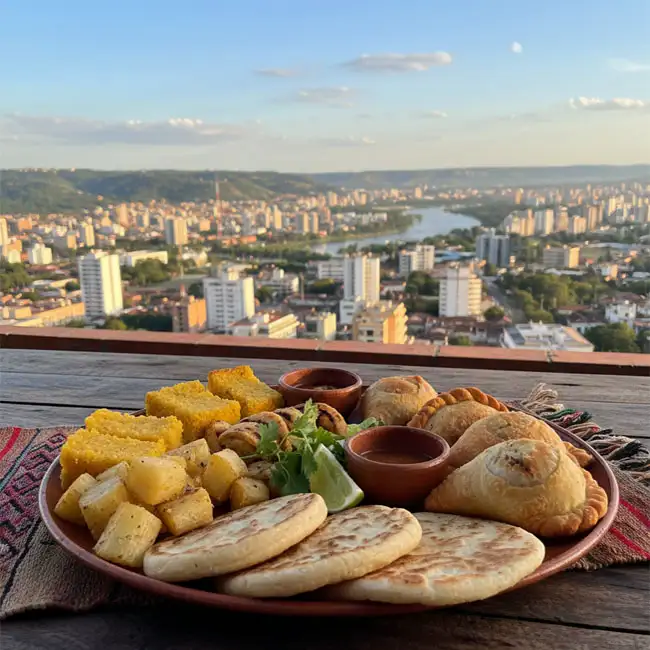
🧀 🌽 The Soul of Paraguayan Cuisine: A Culinary Heritage of Fusion
Hey there, food explorer! Ever wondered what kind of delicious secrets are tucked away in the heart of South America? Well, get ready to dive into the vibrant and comforting world of Paraguayan appetizers! This is a cuisine that tells an incredible story, blending the earthy traditions of the indigenous Guaraní people with the rich dairy and livestock influences brought over by the Spanish colonizers. It's truly a beautiful mestizo (mixed) food culture, where every bite is a mouthful of history.
What makes Paraguayan cuisine so unique is its reliance on two staple, glorious ingredients: cassava (or mandioca / yuca), a starchy root vegetable, and corn (or maíz / avati). Before the Spanish arrival, the Guaraní were masters of using these crops, crafting simple but nourishing meals. Then came the introduction of cattle, milk, and cheese, which completely transformed the cooking landscape. Imagine combining the ancient, rustic flavor of corn and cassava with the creamy, savory indulgence of cheese and milk—that’s the magic of Paraguay!
Appetizers, or bocaditos (little bites) and masitas (small cakes), play an essential role in daily life and celebration. They aren't just a starter; they're often the main event at an afternoon merienda (snack) or a hearty accompaniment to the famous Asado (Paraguayan barbecue). They are the ultimate expression of Guaraní hospitality—simple, nourishing, and always ready to be shared. Forget fancy, complicated dishes; here, the food is straightforward, practical, and deeply satisfying, reflecting the hardworking, no-nonsense spirit of the Paraguayan people.
☀️🤝 Living the Shared Life: Eating Customs and Communal Spirit
Food in Paraguay is rarely a solo endeavor; it’s a communal, shared experience that strengthens bonds between family and friends. This isn't just about what they eat, but how they eat it.
🧉 The Heart of the Social Gathering: Tereré
While not a food, you cannot talk about Paraguayan life and eating customs without mentioning Tereré. This is the national drink, a cold infusion of yerba mate (a stimulating herb) mixed with medicinal herbs and ice water. It’s more than just a refreshing beverage on a hot day; it's a sacred ritual of sharing. The gourd (the cup) and the bombilla (metal straw) are passed around in a circle, and the act of accepting and sharing the tereré is an intimate social bond.
This spirit of sharing extends to the food. The appetizers we're about to explore are often eaten right alongside a tereré session. You grab a piece of Chipa, take a sip of Tereré, and chat for hours. It’s a slow-paced, deeply connected way of life that values presence and companionship.
🍖 The Weekend Feast: Appetizers for Asado
The weekend is often reserved for an Asado, the Paraguayan-style barbecue. While the star of the show is the glorious grilled meat (usually beef, pork, or chicken), the appetizers are the necessary, hearty sides that keep everyone happy while the parrillero (grill master) works their magic. It's common to see big platters of Chipa Guasú or Sopa Paraguaya laid out, ready to be picked at and enjoyed outdoors with the whole family. These cheesy, corn-based "cakes" are perfect for soaking up the juices and balancing the rich, smoky flavors of the meat.
🚶♀️ Street Food and Daily Bites
In the cities, many of these "appetizers" are actually available as essential street food snacks—perfect for a quick, filling bite on the go or while waiting for a bus. Vendors, often carrying baskets, sell freshly baked Chipa or hot, fried Empanadas. This accessibility means these foods are woven into the very fabric of daily life, not reserved only for special occasions. They are the practical, high-calorie fuel that keeps the day moving.
✨ 🌟 The Appetizer Hall of Fame: Must-Try Paraguayan Bites
The core of Paraguayan snacking revolves around doughs made from the land’s bounty: corn and cassava, almost always enhanced by local cheese. Here are the true heavy hitters of the appetizer world in Paraguay, each a unique masterpiece of flavor and texture.
🟡 The Supreme Savory "Soup" that Isn't: Sopa Paraguaya
It might have the word "soup" (sopa) in its name, but don't let that fool you—Sopa Paraguaya is firmly a savory cornbread or cake, and it is the National Dish for a reason!
• What it is: A dense, spongy, and incredibly rich savory cake made from coarse cornmeal, milk, cheese (often queso paraguay), eggs, and plenty of sautéed onions. It is baked in the oven until golden brown.
• The Vibe: Imagine the best, cheesiest cornbread you’ve ever had, but taken to an entirely new level of savory intensity. It's hearty, comforting, and has a wonderful custardy texture thanks to the cheese and milk.
• The Legend: The story goes that it was created by accident! President Carlos Antonio López's cook made a sopa (a thin soup of cornmeal, milk, and cheese) but added too much cornmeal. Instead of discarding the dense mixture, she decided to bake it. The President loved the new, solid dish, and it was christened the "Paraguayan Soup." This happy accident has become the country’s culinary emblem.
• How it’s Eaten: It’s almost always served in squares or wedges, making it perfect as a side dish for Asado, or a substantial snack on its own.
💖 The Ubiquitous Cassava Ring: Chipa
This is arguably the most famous Paraguayan snack—a staple you’ll find everywhere, from bus stops to family gatherings, especially during the Semana Santa (Holy Week) celebrations.
• What it is: A small, chewy, savory baked roll or ring made primarily from cassava starch (almidón de mandioca), mixed with cheese, eggs, and milk or water. It often has a distinct, slightly sweet note from a hint of anise seed.
• The Vibe: They are crunchy on the outside, and delightfully soft and chewy (almost gooey) on the inside, with a strong, salty-cheesy punch. They are smaller than a bagel but much denser.
• The Variety: There are actually dozens of chipa variations, but the classic ring shape is what most people picture. Another popular version is Chipa Guasú, which is a large corn-based cake, very similar to Sopa Paraguaya but made with fresh corn kernels instead of dry cornmeal, giving it a moister, sweeter texture.
• How it’s Eaten: The classic chipa is the ultimate grab-and-go snack. They are best eaten fresh and warm, often bought from street vendors carrying baskets.
🥞 The Humble, Speedy Staple: Mbejú
The Mbejú is a testament to the simplicity and ingenuity of Guaraní cooking, dating back centuries. It's quick, easy, and totally satisfying.
• What it is: A simple, round, flat cake or pancake made from cassava starch, water or milk, and queso paraguay.
• The Vibe: Mbejú literally means 'cake' or 'something flat' in Guaraní. It's cooked directly on a hot skillet or clay griddle (takuá), much like a pancake, until a crispy, golden crust forms. The inside remains soft and chewy.
• The History: It’s one of the oldest dishes in the region, a truly ancestral food. Its preparation is so basic, requiring only a few ingredients, which speaks to its humble but essential role in the diet.
• How it’s Eaten: It's often served for breakfast or a merienda (afternoon snack). While the plain cheesy version is classic, sometimes it's made sweeter, or stuffed with a filling of meat or vegetables.
🌎 💫 Beyond the Cheesy Trio: More Delightful Bites
While the corn and cassava dishes steal the show, Paraguay has a broader repertoire of appetizers that showcase its mestizo influences and love for bold flavors.
🥟 The South American Pocket of Joy: Pastel Mandi'o
If you like empanadas, you will love the Paraguayan twist on this savory pastry.
• What it is: A deep-fried or baked turnover (similar to an empanada), but the dough is made from a mix of cassava flour/puree and cornflour, giving it a distinctly Paraguayan texture.
• The Filling: It's usually stuffed with a savory filling of seasoned ground meat (carne), hard-boiled eggs, and sometimes olives or raisins, offering a burst of flavor in every bite.
• The Vibe: The cassava in the dough makes it uniquely soft and slightly doughy, with a heartiness that distinguishes it from a typical wheat-flour empanada. Mandi’o is the Guaraní word for cassava, proudly declaring its main ingredient.
🥩 The Hearty Cassava Fritter: Payaguá Mascada (Lampreado)
This is a fantastic example of a high-protein, energy-packed snack that’s perfect for fueling a long day.
• What it is: A fried fritter or patty made from a mash of boiled cassava (mandioca) combined with seasoned ground beef and various herbs and spices.
• The Vibe: The name Payaguá Mascada translates literally to "chewed by the Payaguá" (an indigenous group), though it’s also known simply as Lampreado. It’s crispy on the outside from the frying, but wonderfully tender and soft inside, thanks to the creamy cassava mash binding the meat. It’s a complete meal packed into a patty.
🍅 Simple, Savory, and Customizable: Tortilla Paraguaya
This simple dish showcases the blending of Spanish techniques with local ingredients.
• What it is: A thicker, heartier, deep-fried egg fritter, almost like a small omelet, often made with beaten eggs, milk, a bit of wheat flour (a Spanish influence), and sometimes mixed with chopped onions, cheese, and vegetables.
• The Vibe: Unlike a thin Mexican tortilla, this is a substantial, savory patty—a simple and quick-to-prepare bocadito. It is often served as a comforting breakfast or a light, casual appetizer.
🍽️ The Everyday Culture of Eating and Sharing
In Paraguay, these appetizers aren't relegated to a pre-dinner course; they are central to the culture of eating. They are the daily comforts, the fuel, and the social lubricant.
• Simplicity is Key: The cuisine, particularly the appetizers, is defined by its simplicity. The preparation methods are practical, and the ingredients are local and accessible: corn, cassava, cheese, and meat. This reflects a culinary philosophy rooted in necessity, survival, and making the most of the land’s bounty.
• The Mandioca Connection: You'll notice cassava is everywhere. It’s a side dish, an ingredient in the dough, and even turned into chips (mandioca chips). The sheer ubiquity of the root is why the saying exists: “más paraguayo que la mandioca” (more Paraguayan than cassava). It’s the ultimate culinary symbol.
• The Cheesy Heart: Queso Paraguay—a soft, fresh, and slightly salty local cheese—is the secret weapon that unites almost all these dishes. It melts beautifully and provides the essential creamy, savory goodness.
Paraguayan appetizers are not small bites to whet your palate; they are robust, deeply traditional, and utterly fulfilling expressions of a unique South American culture that values sharing, history, and the comforting flavors of the earth.
❓ FAQ: Digging Deeper into Paraguayan Bites
1. Why is Sopa Paraguaya called a "soup" if it's a savory cake?
Sopa Paraguaya is one of the most famous culinary oddities in the world! It's called a "soup" because, historically, the dish it evolved from was a liquid soup—a thick cornmeal broth called Sopa de la Guaraní. The legend says that a presidential chef added too much cornmeal and cheese, turning it into a dense cake. Instead of being scrapped, the baked result was loved by President Don Carlos Antonio López. Since it was the accidental evolution of the soup, the name "Paraguayan Soup" stuck, even though it is now an official national dish that is unequivocally a solid, baked cornbread.
2. What is the difference between Chipa and Mbejú?
The main difference lies in the process, shape, and final texture, even though both rely on cassava starch and cheese:
Chipa is usually a baked roll or ring (like a dense mini-bagel). The starch is mixed with cheese, milk, and eggs into a dough that is shaped and then baked until the outside is firm and the inside is chewy.
Mbejú is a pan-fried or griddled flat cake (like a thick pancake). The starch is mixed with cheese and a liquid and cooked on a hot surface, resulting in a crispy exterior and a soft, flat interior. Mbejú is simpler and quicker to make.
3. Is Paraguayan food very spicy?
No, traditional Paraguayan cuisine is not known for being spicy. Unlike the cuisines of countries like Mexico or Peru, heat from chili peppers is not a common or defining characteristic. Paraguayan food focuses more on savory, earthy, and comforting flavors derived from the core ingredients (corn, cassava, cheese, and meat) and simple seasonings like onion, salt, pepper, and sometimes a hint of anise or parsley. The emphasis is on heartiness and flavor rather than heat.
🥪 Hearty, Cheesy, and Gluten-Free: Exploring Paraguay’s Vegetarian Appetizers
👉 Try 3 Vegetarian Paraguay Appetizers
| 🌐 🥪 < Back | Next > 🍝 🇵🇾 |