
🏠 Home > 🗺️ Recipes > 🍲 Soups > 🇲🇲 Myanmar Soups > 🍲 Mohinga (The National Dish of Myanmar) , Ohn No Khao Swe (Creamy Coconut Chicken Noodle Soup) , Kyay Oh (The Ultimate Burmese Comfort Noodle Soup)
🍲 Real Burmese Soups: 3 Iconic Noodle Recipes Locals Swear By
Published by Supakorn | Updated: February 2026
Introduction: More Than Just Tea Leaf Salad
Hey there, food explorers! When most people think about Burmese (Myanmar) cuisine, their minds jump straight to the fantastic Tea Leaf Salad (Lahpet Thoke). And honestly? They're right to love it—it's a crunchy, savory, ferment-y masterpiece. But here's a secret that locals know well: to truly understand Burmese food, you have to dive headfirst into the soups.
In Myanmar, soup isn't just a side dish or a winter warmer; it's a daily ritual, an essential street food, and often, the entire main course. It's the fragrant, soul-warming foundation of the culture.
Burmese soups offer a culinary profile unlike any other in Southeast Asia. They perfectly balance savory depth from fish sauce and shrimp paste with fragrant aromatics like ginger, turmeric, and lemongrass, often finished with a creamy, thickening touch of chickpea flour or coconut milk. The experience is always amplified by a dazzling array of crunchy, fresh, and zesty garnishes, allowing you to customize every bowl.
This comprehensive guide is your passport to the bubbling pots and bustling street stalls of Yangon and Mandalay. We're going beyond the familiar to bring the authentic flavors of Myanmar right into your kitchen. We’ve selected three of the country's most iconic and contrasting noodle soups.
Ready to start stirring up some liquid gold? This is what we're cooking:
1.Mohinga: The savory, herbal, and iconic fish noodle soup.
2.Ohn No Khao Swe: The creamy, rich, and famous coconut chicken noodle soup.
3.Kyay Oh: The comforting, pork and quail egg noodle soup (the ultimate comfort food).
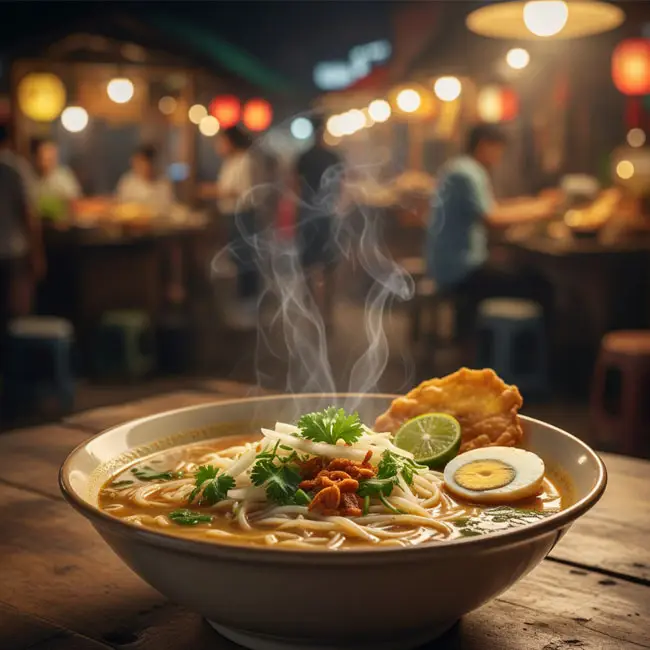
🔹 Recipe 1: Mohinga (The National Dish of Myanmar)
About this Recipe
Mohinga is, without a doubt, the single most important dish in all of Myanmar. Forget the fancy restaurants; this is the quintessential street food, traditionally eaten for breakfast, though it’s available all day long from countless vendors (Mohinga sellers can be identified by their bubbling, enormous pots).
It is a savory fish noodle soup served over thin rice vermicelli (monh phat). The broth is the star: thick, aromatic, and deeply satisfying, made from fish (often catfish), infused with lemongrass, ginger, garlic, and turmeric, and thickened with chickpea flour (or toasted rice powder) and banana stem core (if you can find it!). The combination is an intoxicating blend of umami, herbal freshness, and a comforting, almost stew-like consistency that clings beautifully to the noodles. This recipe is an authentic, yet practical, version perfect for the home cook.
Ingredients & Measurements (Serves 6–8)
For the Broth & Base:
- 1.5 kg (3 lbs) white fish fillets (cod, tilapia, or mackerel), or whole fish.
- 2 Litres (8 cups) fish or chicken stock (or water).
- 3 large lemongrass stalks, bruised (smashed with the back of a knife).
- 1 cup yellow split peas (or ½ cup chickpea flour).
- 1 tsp turmeric powder.
- 4-5 tbsp fish sauce, plus more for seasoning.
- 1 tbsp oil (peanut or vegetable).
- 1 large onion, finely diced.
- 6 cloves garlic, minced.
- 2-inch piece of fresh ginger, minced.
- 1 tsp paprika.
For Serving & Garnish (Customize Your Bowl!):
- 500g (1 lb) rice vermicelli noodles (monh phat).
- 6 hard-boiled eggs, sliced or halved.
- 1 cup fresh cilantro, chopped.
- 1 cup crispy fried onions or shallots (store-bought is fine).
- 2 limes, cut into wedges.
- Chili flakes or chili oil (to taste).
- Fried fritters (Akyaw) like gourd or lentil (optional, but highly recommended).
Step-by-Step Instructions
1.Prepare the Fish Broth: Place the fish, stock, and bruised lemongrass in a large pot. Bring to a boil, then reduce heat and simmer until the fish is cooked through and flaky (about 10–15 minutes). Carefully remove the fish and set aside. Strain the remaining liquid (the broth) and reserve it.
2.Make the Thickener: If using chickpea flour, mix it with ½ cup of the reserved cool broth until you have a smooth slurry. If using split peas, boil them until very soft, then purée with some broth. Set aside.
3.Sauté the Aromatics: Heat the oil in a clean large pot. Add the diced onion, garlic, and ginger, and sauté until fragrant and soft (about 5 minutes). Stir in the turmeric and paprika and cook for 1 minute.
4.Flake and Combine: Flake the cooked fish, removing any bones and skin. Add the flaked fish to the pot with the aromatics. Cook for a few minutes, allowing the fish to absorb the spice flavors.
5.Simmer the Soup: Pour the reserved fish broth and the chickpea flour slurry (or puréed split peas) into the pot. Stir well to prevent clumping. Bring to a gentle simmer and cook for 15–20 minutes, stirring occasionally, until the broth has thickened to a smooth, creamy consistency.
6.Season: Stir in the fish sauce. Taste and adjust seasoning—it should be savory and slightly fishy, but balanced. Add salt or more fish sauce as needed. Keep warm on low heat.
7.Assemble and Serve: Cook the rice vermicelli noodles according to package directions. Divide the noodles among bowls, ladle a generous amount of hot Mohinga over the top, and let everyone customize their bowl with the hard-boiled eggs, cilantro, fried onions, a squeeze of fresh lime, and a dash of chili.
Tips & Mistakes to Avoid
Tip Mistake to Avoid
- Don't Skip the Simmer: Simmer the broth for the full 20 minutes after adding the thickener. This cooks out the 'raw' flavor of the flour. Over-Boiling: Once the chickpea flour is in, do not boil the soup vigorously, as it can separate or scorch on the bottom. Keep it at a gentle, rolling simmer.
- Use Quality Fish Sauce: Fish sauce is the backbone. Invest in a good brand for deep, clean umami flavor. Serving Plain: Mohinga needs the garnishes. The acid from the lime, the crunch from the fritters, and the heat from the chili are essential to the final flavor profile.
- Toast the Flour (Optional): Lightly toasting the chickpea flour in a dry pan before making the slurry can deepen its nutty flavor. Too Thin Broth: If your broth is too thin, mix a little extra chickpea flour with cold water and slowly stir it into the simmering soup until it reaches your desired thickness.
FAQ
Q: Can I use a different type of fish?
A: Absolutely! While catfish is traditional, any white, flaky fish like cod, bass, or even tinned mackerel (a popular shortcut!) works great. The goal is flavor and texture, not a specific species.
Q: Is the banana stem really necessary?
A: The banana stem core (banana pith) adds an amazing, spongy texture that absorbs the broth, but it can be hard to find outside of Asian markets. If you can’t get it, don't worry—the soup is still delicious without it. You can substitute with sliced bamboo shoots for texture.
Q: How can I make this vegetarian?
A: Replace the fish with hard-boiled eggs simmered in a mushroom or vegetable stock. Omit the fish sauce and use soy sauce or a vegetarian umami seasoning instead. The rest of the recipe (aromatics, flour, garnishes) remains the same.
Summary
Mohinga is more than just a dish; it’s the sound, smell, and taste of Myanmar. It’s savory, herbal, rich, and textural. The initial effort of making the broth pays off tenfold in a bowl of comfort that truly tastes like you’ve been transported to a street stall in Southeast Asia. This is your first essential step into Burmese cuisine.
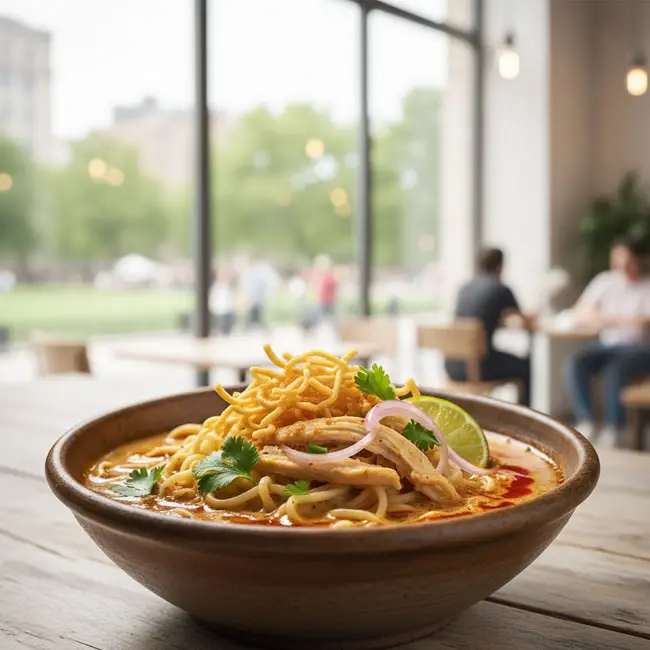
🔹 Recipe 2: Ohn No Khao Swe (Creamy Coconut Chicken Noodle Soup)
About this Recipe
If Mohinga is the savory king, then Ohn No Khao Swe (pronounced Ohn-No-Khow-Sway) is the creamy, comforting queen. This dish is rich, golden, and gently spiced, perfect for a cozy afternoon or a rainy day. It shares some DNA with its Thai cousin, Khao Soi, but it has its own distinct, mellow flavor profile that’s slightly sweeter and significantly thicker.
Ohn No Khao Swe literally means "coconut milk noodles." The soup features tender pieces of chicken simmered in a luscious, coconut-milk-based broth thickened with chickpea flour, giving it a velvety, golden-yellow hue from the turmeric. Served with soft egg noodles and an explosion of crunchy toppings, it’s a full meal that hits every note: creamy, salty, mildly spicy, and tangy.
Ingredients & Measurements (Serves 6)
For the Curry Paste (Base):
- 1 large onion, roughly chopped.
- 6 cloves garlic.
- 2-inch piece of fresh ginger, peeled.
- 2 tbsp vegetable or peanut oil.
- 1 tsp turmeric powder.
- 1 tbsp paprika.
- 1 tsp chili powder (optional).
For the Soup:
- 1 kg (2 lbs) boneless, skinless chicken thighs, cut into bite-sized pieces.
- 2 tbsp fish sauce.
- 1 cup chickpea flour (besan).
- 4 cups chicken stock.
- 2 cans (800ml total) full-fat coconut milk.
- 1 tsp sugar or palm sugar.
For Serving & Garnish (The best part!):
- 500g (1 lb) egg noodles or wheat noodles, cooked.
- Crispy fried noodles (or rice sticks), quickly deep-fried until puffed.
- Fresh cilantro, chopped.
- Sliced red onion (soaked in cold water to reduce harshness).
- 2 limes, cut into wedges.
- Chili oil or fried chili flakes.
Step-by-Step Instructions
1.Marinate and Prep: Toss the chicken pieces with 1 tablespoon of fish sauce and a pinch of turmeric. In a food processor or blender, combine the onion, garlic, and ginger with a little water until you have a smooth paste. Set aside.
2.Make the Slurry: In a small bowl, whisk the chickpea flour with 1 cup of the cool chicken stock until completely smooth. Set aside.
3.Sauté the Paste: Heat the oil in a large pot or Dutch oven over medium heat. Add the onion/ginger/garlic paste along with the turmeric, paprika, and chili powder (if using). Sauté for 8–10 minutes until the paste is fragrant and deep golden brown, and the oil separates (this is called seik-chhet).
4.Cook the Chicken: Add the marinated chicken to the pot and cook, stirring, until it's browned and coated in the paste.
5.Build the Broth: Pour in the remaining chicken stock and bring to a simmer. Cook for 10 minutes until the chicken is nearly done.
6.Thicken and Finish: Stir the chickpea flour slurry again and slowly pour it into the simmering soup while stirring constantly. The soup will thicken quickly. Add the two cans of coconut milk, the remaining fish sauce, and the sugar. Bring back to a gentle simmer (do not boil hard) and cook for another 5–10 minutes, allowing the flavors to marry and the soup to become velvety smooth. Taste and adjust seasoning.
7.Assemble and Serve: Divide the cooked egg noodles among the bowls. Ladle the hot, creamy soup over the noodles. Top generously with crispy noodles, fresh cilantro, sliced red onion, and a wedge of lime. Serve immediately.
Tips & Mistakes to Avoid
Tip Mistake to Avoid
- Don't Forget the Crunch: The textures are key in this dish! The crispy fried noodles and fresh onion provide a necessary contrast to the creamy broth. Boiling the Coconut Milk: Coconut milk can 'break' or separate if boiled aggressively after being added. Keep the heat low and only simmer gently at the very end.
- Soak the Noodles: If using dried egg noodles, cook them al dente and keep them in a little water or oil to prevent them from sticking together while you finish the soup. Serving Without Lime: The soup needs the acidity of fresh lime juice to cut through the richness of the coconut milk. Don't add it to the pot—add it to your personal bowl before eating.
- Oil Separation is Good: The key seik-chhet step when cooking the paste is important. Cook it long enough (8-10 minutes) until the oil separates from the paste and the mixture is very fragrant. Undercooked Chickpea Flour: If you don't simmer the soup for a little while after adding the slurry, you'll get a raw, slightly unpleasant flour taste. Give it the time it needs to cook out.
FAQ
Q: Can I use rice noodles instead of egg noodles?
A: Yes, absolutely! While egg noodles are traditional for Ohn No Khao Swe, rice noodles (like rice vermicelli or even flat rice noodles) are a great gluten-free option and also widely used in Burmese cuisine.
Q: Where can I buy crispy fried noodles?
A: Check the international or Asian food aisle of your local grocery store, often near the chow mein or salad topping sections. Alternatively, you can buy dried rice sticks (the very thin, brittle ones) and deep-fry them yourself for a few seconds until they puff up.
Q: What is the best protein substitute for the chicken?
A: Tofu (cubed and lightly fried) or hard-boiled eggs are the best substitutes. You can also use chickpeas or thick-cut mushrooms (like oyster or king oyster) to give the soup a satisfying chew.
Summary
Ohn No Khao Swe is the ultimate coconut comfort food. It’s thick, golden, and deeply creamy, with a subtle but complex curry flavor. It’s a spectacular example of how Myanmar takes inspiration from its neighbors (like India and Thailand) and transforms it into something uniquely Burmese—velvety, satisfying, and always served with a beautiful mess of toppings.
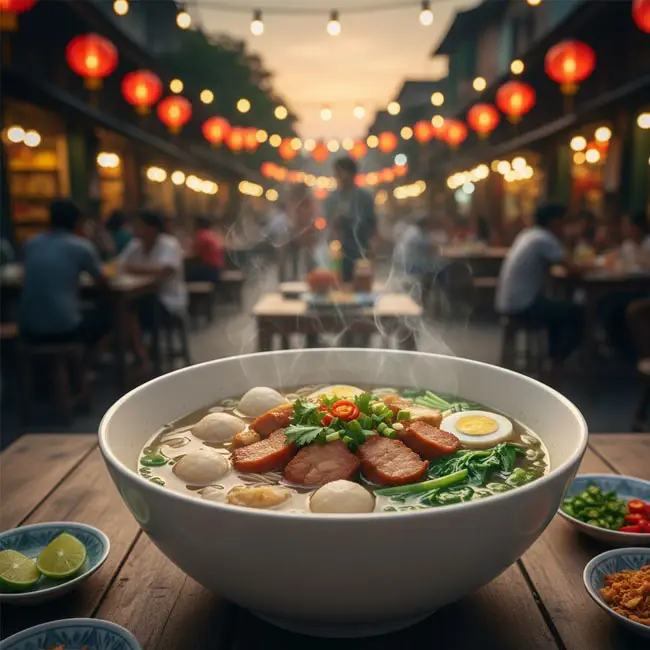
🔹 Recipe 3: Kyay Oh (The Ultimate Burmese Comfort Noodle Soup)
About this Recipe
Kyay Oh (pronounced Jaye-Oh) is the Burmese version of a classic comfort bowl, often compared to the pho or ramen of Myanmar. Unlike the rich, thick, and highly spiced Mohinga and Ohn No Khao Swe, Kyay Oh is all about the clean, savory broth—a simple but deeply flavored stock that is light, clear, and utterly restorative.
The name literally means "copper pot," referring to the traditional vessel it was cooked in. It is typically a pork and noodle soup, loaded with a variety of textures and proteins, including meatballs, sliced pork, glass noodles (or rice noodles), and the signature addition: quail eggs. It's salty, savory, peppery, and incredibly soothing. This is the soup you want when you need a simple, restorative hug in a bowl.
Ingredients & Measurements (Serves 4–6)
For the Broth & Soup Base:
- 2 kg (4 lbs) pork bones (neck or backbones) or chicken bones.
- 3.5 Litres (14 cups) water.
- 1 tbsp whole black peppercorns.
- 1 large onion, halved.
- 1-inch piece of ginger, sliced.
- 3 tbsp fish sauce, plus more for seasoning.
- Salt to taste.
For the Bowl:
- 300g pork meatballs (store-bought or homemade).
- 250g (½ lb) thin-sliced pork loin or belly, briefly boiled and sliced.
- 18 quail eggs, hard-boiled and peeled.
- 300g (½ lb) glass noodles (Kyay Oh is famous for these) or thin rice noodles.
- 1 cup bok choy or mustard greens, blanched.
For Serving & Garnish:
- Fresh cilantro, chopped.
- Sliced green onions.
- Fried garlic and garlic oil.
- Chili flakes or chili oil.
- Vinegar with thinly sliced chilies (a vital garnish for tang).
Step-by-Step Instructions
1.Make the Broth (The Foundation): Place the pork bones, water, peppercorns, onion, and ginger in a very large pot. Bring to a boil, then immediately reduce the heat to a very low simmer. Skim off any foam or impurities that rise to the surface.
2.Simmer for Flavor: Gently simmer the broth, uncovered, for at least 2–3 hours (or up to 6 hours for maximum flavor). The long, slow simmer is key to the Kyay Oh's clarity and depth.
3.Strain and Season: Strain the finished broth through a fine-mesh sieve into a clean pot, discarding the bones and aromatics. Stir in the fish sauce and salt to taste. It should be perfectly balanced—savory, slightly salty, and peppery. Keep warm on low heat.
4.Prep the Bowl Components: While the broth is simmering, prepare all your ingredients: cook the noodles, blanch the greens, and make sure the meatballs, sliced pork, and quail eggs are ready to go.
5.Assemble and Serve: Place a portion of cooked noodles in each large bowl. Arrange a mix of sliced pork, meatballs, quail eggs, and blanched greens over the noodles.
6.Ladle and Garnish: Ladle the hot, clear, savory broth over the contents of the bowl. Garnish generously with chopped cilantro, green onions, a drizzle of garlic oil, and a spoonful of chili-infused vinegar. Serve immediately.
Tips & Mistakes to Avoid
Tip Mistake to Avoid
- The Quail Eggs are Essential: Don't skip the quail eggs! They are the definitive ingredient of a classic Kyay Oh and add a rich, little burst of flavor and protein. Rushing the Broth: Kyay Oh relies almost entirely on the quality of its clear, savory stock. Do not boil it hard, and do not simmer for less than 2 hours. Patience is key here.
- Make a Flavorful Garnish: The garnish of chili-infused vinegar is crucial. It adds the sharp tang that cuts through the savory pork broth, preventing it from tasting flat. Overcooking the Noodles: Glass noodles can quickly turn mushy. Cook them al dente and drain them well right before serving, as the hot broth will continue to soften them.
- Skim the Broth: For that classic, clear Kyay Oh look, make sure you skim the foam and fat off the broth during the first hour of simmering. Serving Cold: This soup must be served piping hot, straight from the stove, to warm all the elements in the bowl.
FAQ
Q: Can I use chicken stock instead of making pork bone broth?
A: Yes, you can use high-quality chicken stock to save time, but the resulting flavor profile won't have the distinct porky sweetness that Kyay Oh is famous for. If you use chicken stock, try adding a few pieces of sliced, simmered pork belly for that authentic flavor.
Q: What kind of noodles should I use for Kyay Oh?
A: Kyay Oh is most famously served with glass noodles (vermicelli from mung bean starch) or thin, soft rice noodles. You can also find variations using yellow wheat noodles. Go with whatever thin, absorbent noodle you prefer!
Q: Where can I find quail eggs?
A: Quail eggs are typically sold pre-cooked and peeled in jars or cans at Asian grocery stores. You can also find them fresh in the egg section and simply hard-boil them yourself for about 5 minutes.
Summary
Kyay Oh is a celebration of simple, satisfying comfort. It’s the perfect antidote to the heavy, thick broths, offering a clear, clean, savory, and peppery experience. It’s a highly personalizable bowl, packed with delicious textures and proteins, anchored by that unforgettable flavor of a long-simmered, traditional stock.
Final Thoughts: Your Burmese Kitchen Adventure
Well, there you have it! You’ve successfully moved beyond the Tea Leaf Salad and are now an honorary enthusiast of Myanmar’s rich and complex soup culture.
From the intensely aromatic and savory street staple, Mohinga, to the velvety-smooth and golden comfort of Ohn No Khao Swe, and finally to the clean, peppery simplicity of the comforting Kyay Oh, you’ve explored the full spectrum of Burmese noodle soups.
The real takeaway here is that cooking these dishes is less about being strictly perfect and more about balancing the flavors and embracing the garnishes. The Burmese cooking philosophy is all about customization and layering, allowing each person to create their perfect bowl—whether that means extra lime, more chili, or a mountain of crispy fried onions.
Don't be afraid to start with just one recipe—maybe the creamy coconut soup (Ohn No Khao Swe) if you're a fan of Thai curries, or the simple Kyay Oh if you’re looking for a clear, restorative broth. Take a picture, share your triumphant bowl, and let us know which of these iconic Burmese soups has won your heart (and your stomach)!
Happy cooking, and Mingalabar (Hello)!
| 🇲🇲 🍲 < Back |