
🏠 Home > 🗺️ Recipes > 🥪 Appetizers > 🇲🇲 Myanmar Appetizers > 🥪 Kauk Swe Thoke (Dry Noodle Salad) , E-Kyar Kway (Burmese Fried Dough Sticks) , Samusa Thoke (Samosa Salad)
🥪 A Taste of Tradition: 3 Authentic Myanmar Appetizer Recipes You Can Master at Home
Published by Supakorn | Updated: February 2026
Introduction: Your Burmese Food Adventure Starts Now!
Hey there, fellow food explorers! Have you ever taken a deep dive into the food culture of Myanmar (Burma)? If you haven't, you're seriously missing out. Burmese cuisine is a total hidden gem, sitting right at the crossroads of India, China, and Thailand, yet it has this totally unique flavor profile that's all its own. We’re talking about a fantastic blend of earthy, savory, sour, spicy, and even sometimes slightly bitter notes, all mixed together in a beautiful, harmonious way.
While famous main dishes often steal the spotlight, the world of Burmese appetizers and street snacks is where the real fun begins. These small dishes, often called A-Kyaw (fried snacks) or Thoke (salads), are the heart of daily Burmese eating. They’re what locals grab for a quick breakfast, an afternoon pick-me-up, or the perfect starter to a big, communal meal.
And guess what? You don't need a plane ticket to Yangon to enjoy them.
That’s what this guide is all about! I’m going to walk you through three of the most authentic and beloved Myanmar appetizers. We've picked dishes that truly represent the cuisine—from the famously flavorful mixed noodle salad to the simple, comforting street food favorites. By the end of this long-form, SEO-friendly article, you’ll be armed with everything you need to recreate these stunning flavors in your own kitchen.
Ready to roll up your sleeves? Let’s get cooking!
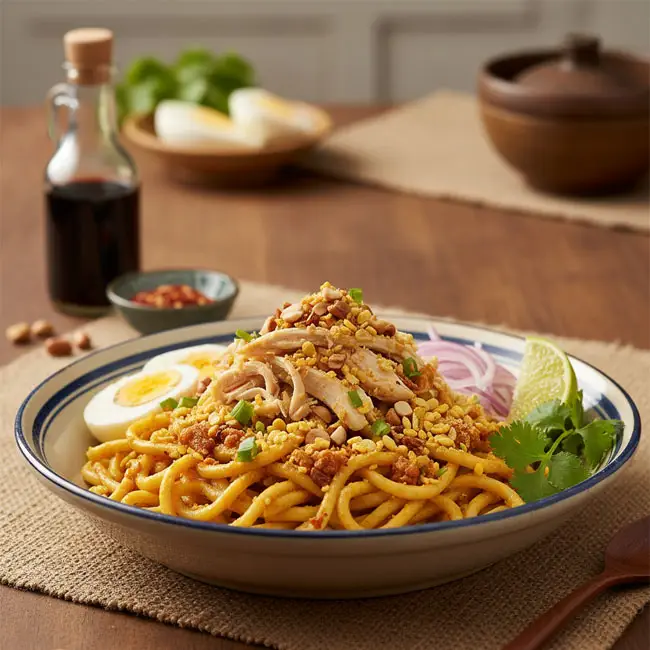
🔹 Recipe 1: Kauk Swe Thoke (Dry Noodle Salad) - The Flavorful Street Food Starter
About this Recipe: Kauk Swe Thoke (The Ultimate Mixed Noodle Appetizer)
If you love a vibrant, textured salad that’s packed with flavor, then Kauk Swe Thoke (kauk swe means noodle, thoke means salad) is about to become your new obsession. While some Burmese noodle dishes are soupy (like the famous Ohn No Khao Swe), this one is a dry salad, and it’s one of the most common and beloved street snacks in Myanmar.
This dish is a masterclass in flavor contrast and texture. It usually involves soft wheat noodles (often egg noodles) tossed in a potent but balanced dressing made from fragrant garlic oil, crunchy fried aromatics, tamarind, and chili. It is then topped with a little chicken or potato curry, giving it that necessary savory, oily richness.
Every single element plays a role: the oiliness provides a lush mouthfeel, the tamarind brings the zingy sourness, and the fresh cilantro and crunch from the fried ingredients cut through the richness beautifully. It's the perfect size for an appetizer or a light, zesty lunch, making it a fantastic dish for any gathering!
Ingredients & Measurements
For the Noodles and Main Topping:Ingredient - Quantity - Notes
- Egg Noodles 1 lb (450g) Fresh or dried, cooked per package directions.
- Chicken Curry 1 cup Simple, shredded chicken and sauce (like a mild Kyet Thar Hin).
- Chickpea Flour 1/4 cup Toasted (Besan or Gram Flour).
- Potatoes 1 small Boiled and cubed, optional.
For the Dressing/Oil Base:Ingredient - Quantity - Notes
- Garlic Oil 1/4 cup Made by frying minced garlic in oil and reserving the oil.
- Fish Sauce 2 tbsp For savory depth.
- Tamarind Pulp/Water 2 tbsp For crucial sourness.
- Turmeric Powder 1/2 tsp For color and earthiness.
For Serving (The Crunch and Freshness):Ingredient - Quantity - Notes
- Red Onion 1/2 cup Thinly sliced, soaked in cold water briefly (optional).
- Cabbage 1/2 cup Shredded, thinly sliced.
- Cilantro/Mint 1/4 cup Chopped, fresh herbs.
- Chili Oil/Flakes To taste For heat.
- Fried Garlic Flakes 2 tbsp Essential crunch and aroma.
Step-by-Step Instructions
1.Prep the Noodles: Cook the egg noodles according to package directions. Drain them well and set aside.
2.Toast the Chickpea Flour: In a dry skillet, lightly toast the chickpea flour over medium heat, stirring constantly, until it turns a light golden color and smells nutty (about 3–5 minutes). This is a crucial step!
3.Prepare the Garlic Oil: If you don't have pre-made garlic oil, quickly mince 4-5 cloves of garlic and fry them gently in 1/4 cup of vegetable oil until golden. Remove the garlic flakes and reserve them for garnish, keeping the oil for the dressing.
4.Assemble the Base: In a large mixing bowl, combine the cooked noodles, garlic oil, fish sauce, turmeric powder, and tamarind water. Add the shredded chicken curry and the toasted chickpea flour.
5.Add Freshness and Texture: Toss in the shredded cabbage, sliced red onion, and boiled potato cubes (if using).
6.The Burmese Toss (Thoke): This is the fun part! Vigorously toss all the ingredients, preferably with your hands (with gloves!) or tongs, until the noodles are completely coated in the oil and flavorings, and the chickpea flour has created a light, savory coating.
7.Serve and Garnish: Divide the Kauk Swe Thoke among individual appetizer bowls. Top generously with the reserved fried garlic flakes, fresh cilantro/mint, and a dash of chili oil or flakes for heat. Serve immediately.
Tips & Mistakes to Avoid
- Garlic Oil is Mandatory: Don't use plain vegetable oil for the dressing! The savory, potent flavor of the garlic-infused oil is the core of this dish and what differentiates it from other Asian noodle salads.
- Don't Forget the Tamarind: The tamarind provides the necessary sour kick (chin) to balance the richness of the oil and the chicken curry. Taste and adjust the sourness level before the final toss.
- Eat It Fast: Because it's a dry salad, it’s best enjoyed immediately while all the textures—the soft noodles, the crunchy cabbage, and the crispy garlic—are at their peak contrast.
FAQ
Q: Can I use different proteins for Kauk Swe Thoke?
A: Yes! While chicken is common, you can use ground pork, shrimp, or substitute with fried tofu or mixed vegetables to make it vegetarian. Just make sure the protein is strongly seasoned.
Q: What is the purpose of the toasted chickpea flour?
A: It's a classic Burmese seasoning agent! It adds a wonderfully savory, nutty flavor, a subtle earthy aroma, and helps the oil and dressing cling more effectively to the noodles and other ingredients.
Q: Where can I find tamarind pulp?
A: Most Asian and Indian grocery stores carry tamarind paste or pulp. You simply dissolve a tablespoon or two in a little warm water to create the liquid needed for this recipe.
Summary of Kauk Swe Thoke
Kauk Swe Thoke is the ultimate savory, zesty, and highly textural appetizer. It’s an easy yet impressive dish that introduces your guests to the complex balance of sweet, sour, salty, and spicy that defines Burmese cuisine.
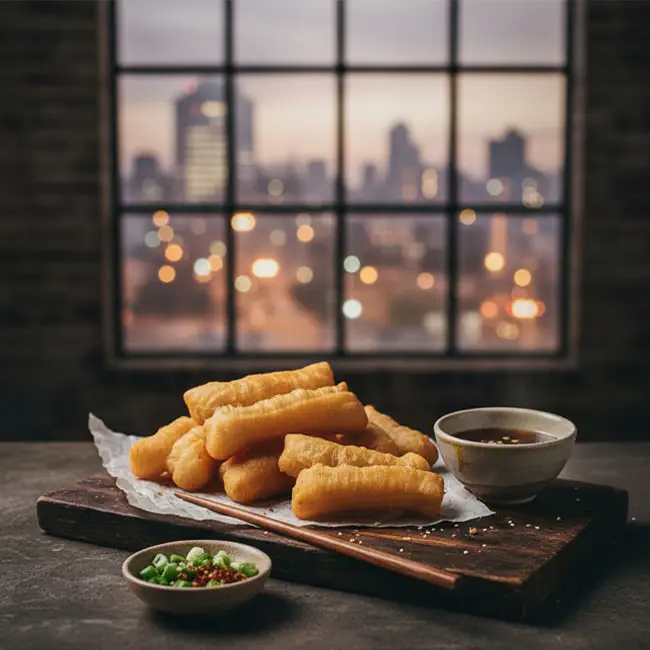
🔹 Recipe 2: E-Kyar Kway (Burmese Fried Dough Sticks) with Pe Byouk
About this Recipe: The Ultimate Comfort Pairing
Next up is a true Burmese breakfast and snack staple: E-Kyar Kway (also spelled E-Kya Kway). You might recognize these as Chinese You Tiao or Vietnamese Bánh Quẩy, but in Myanmar, they are often paired with a savory side to form a hearty snack. These long, golden-brown, lightly salted fried dough sticks are wonderfully crispy on the outside and airy on the inside.
While they are fantastic dipped in coffee or tea, the most authentic and comforting way to enjoy them as an appetizer or snack is alongside a warm bowl of Pe Byouk (Boiled Butter Beans or Fava Beans). This simple bean dish, often seasoned with just salt and a drizzle of oil, is pure comfort food. The dough stick is used to scoop up the soft, creamy beans—it's the perfect contrast of soft, salty bean mash and crispy, airy fried bread.
Note: Making the E-Kyar Kway dough requires some planning, as it involves a rising time, but the effort is worth the fresh-fried result!
Ingredients & Measurements
For the E-Kyar Kway Dough:Ingredient - Quantity - Notes
- All-Purpose Flour 2 cups Or Bread Flour for a chewier texture.
- Warm Water 1 cup About 105−115 ∘ F (40−46 ∘ C).
- Salt 1 tsp
- Baking Soda 1/2 tsp
- Baking Powder 1 tsp
- Dry Yeast 1 tsp
- Vegetable Oil 1 Tbsp Plus more for frying.
For the Pe Byouk (Boiled Beans):Ingredient - Quantity - Notes
- Dried Butter Beans 1 cup (Lima Beans) or Fava Beans, soaked overnight.
- Water 4 cups
- Salt 1 tsp
- Garlic Oil or Peanut Oil 1 Tbsp For serving.
- Turmeric Pinch Optional, for color.
Step-by-Step Instructions
E-Kyar Kway (Fried Dough Sticks)
1.Mix Dry Ingredients: In a large bowl, whisk together the flour, salt, baking soda, baking powder, and dry yeast.
2.Make the Dough: Add the warm water and 1 tablespoon of oil to the dry ingredients. Mix until a shaggy dough forms. Turn it out onto a lightly oiled surface.
3.Knead and Rest (The Hard Part): Knead the dough for about 5–7 minutes until it becomes smooth and elastic. Place the dough in a lightly oiled bowl, cover it tightly with plastic wrap, and let it rise for at least 3–4 hours in a warm spot, or better yet, refrigerate overnight for the best texture. It should double in size.
4.Shape the Sticks: Gently punch down the dough. Roll it out on a lightly floured surface into a long, rectangular shape, about 1/4 inch (6–7 mm) thick. Cut the dough into strips about 1 inch (2.5 cm) wide. Stack two strips on top of each other.
5.Prep for Frying: Using a chopstick, press down the middle of the stacked strips to bond them (don't cut all the way through).
6.Fry: Heat 2–3 inches of vegetable oil in a deep pot to about 375 ∘ F (190 ∘ C). Gently stretch each stick slightly, then drop it into the hot oil. Fry for 1–2 minutes per side, turning constantly, until they are golden brown and puffed up. Remove and drain on paper towels.
Pe Byouk (Boiled Beans)
1.Cook the Beans: Drain the soaked beans. Place them in a pot with fresh water and salt. Bring to a boil, then reduce heat and simmer gently for 45–60 minutes, or until the beans are completely tender and creamy. They should hold their shape but mash easily.
2.Serve: Drain most of the cooking water, leaving a tablespoon or two with the beans. Serve the warm Pe Byouk in a small bowl, drizzled with a little garlic or peanut oil.
Tips & Mistakes to Avoid
- Tip: Don't Over-Knead: Unlike bread, you want the dough to be elastic but not tough. The overnight rest in the fridge is key for developing that airy interior texture.
- Mistake: Not Hot Enough Oil: If the oil isn't hot enough, the E-Kyar Kway will absorb too much oil and become greasy and heavy instead of light and crispy. Test with a tiny scrap of dough—it should sizzle immediately and float.
- Tip: Pair it Right: Don't eat the dough sticks by themselves! The magic is dipping them into the soft, comforting Pe Byouk or a cup of hot Burmese tea.
FAQ
Q: Can I use different beans for Pe Byouk?
A: Absolutely. While butter beans or fava beans are traditional, yellow split peas (Pè San) are also commonly used, especially when fried into fritters (Pè Kyaw). You can even use simple chickpeas (Kala Pè).
Q: How do I store the leftovers?
A: E-Kyar Kway is best eaten fresh. Leftovers can be reheated in a toaster oven or air fryer to regain some crispiness, but they won't be quite the same.
Summary of E-Kyar Kway with Pe Byouk
E-Kyar Kway with Pe Byouk is the definition of Burmese comfort food. It’s a beautifully balanced snack that is soft, creamy, crunchy, and savory all at once. It takes a little effort, but mastering the fried dough stick is a culinary triumph!
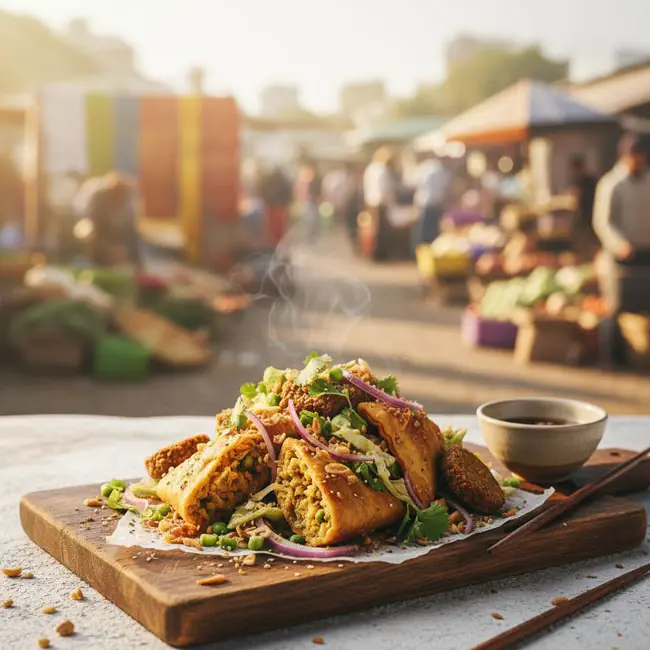
🔹 Recipe 3: Samusa Thoke (Samosa Salad) - The Crunchy, Zesty Remix
About this Recipe: Indian Influence, Burmese Attitude
If you've had a samosa before, you might think you know what you're getting into, but hold up! Samusa Thoke is the Burmese salad version, and it takes the familiar crispy, savory pastry and turns it into something totally new and exciting. This popular street food is a fantastic example of the strong South Asian influence on Burmese cuisine, elevated with the local Thoke (salad) method.
Instead of just serving the samosas hot with a chutney, this dish involves breaking them up and tossing the pieces—flaky pastry, spiced potato filling, and all—into a tangy, refreshing broth-like sauce. The base is often a simple, mild lentil or chickpea curry, garnished with all the crunchy, zesty goodness that defines a Burmese salad: fresh cabbage, mint, onions, and a splash of sour tamarind. It’s a textural masterpiece: crunchy, soft, savory, sour, and fresh.
Ingredients & Measurements
For the Samosas:Ingredient - Quantity - Notes
- Pre-made Samosas 6-8 Small or medium, preferably vegetarian potato/onion filling. Tip: Buy them pre-made and fried!
For the Broth/Curry Base:Ingredient - Quantity - Notes
- Mild Lentil Curry OR Chickpea Broth 1 cup Thin base, mildly seasoned with turmeric and salt.
- Tamarind Water/Pulp 1/2 cup Mix thick tamarind paste with a little warm water.
- Chickpea Flour 2 Tbsp Toasted, for thickening and flavor.
- Fish Sauce 1 tsp Optional, for savory depth.
For the Salad Toppings:Ingredient - Quantity - Notes
- Shredded Cabbage 1 cup Thinly sliced.
- Red Onion 1/2 cup Thinly sliced.
- Fresh Mint Leaves and Cilantro 1/4 cup Chopped, fresh herbs.
- Fried Garlic Flakes or Fried Shallots 2 Tbsp
- Hard-boiled egg Optional Sliced, for a richer thoke.
- Chili powder or fresh chilies Optional To taste.
Step-by-Step Instructions
1.Prepare the Base: Gently heat your mild lentil curry or chickpea broth. Whisk in the tamarind water/pulp, toasted chickpea flour (this acts as a thickener and adds a savory, earthy note), and fish sauce (if using). The goal is a thin, tangy, and savory soup-like base. Keep warm.
2.Prep the Samosas: Break the pre-made, crispy samosas into rough, bite-sized pieces (about 4–5 pieces per samosa). Place the broken pieces in a large bowl.
3.Assemble the Salad: Add the shredded cabbage, sliced red onion, and most of the fresh mint/cilantro to the bowl with the samosa pieces.
4.Dress and Toss: Pour the warm broth/curry base over the samosa and salad mix. It should be enough to coat everything without making it too soupy—it should be a moist, saucy mix.
5.The Final Mix: Give it a good, vigorous toss (again, by hand or with tongs) to combine the curry base, the crunchy samosa shell, and the fresh vegetables.
6.Serve: Transfer the Samusa Thoke into individual serving bowls. Top with a sprinkle of the remaining fresh herbs, fried garlic/shallots, and a little chili powder or sliced fresh chili if you like heat. Serve immediately while the base is still warm.
Tips & Mistakes to Avoid
- Tip: Texture is Everything: The key to Samusa Thoke is the contrast between the hot, soft curry base and the crispy, cold raw vegetables and broken samosa shell. Serve immediately after mixing for the best effect.
- Mistake: Making it Too Thick: The base should be more like a runny gravy or a thin soup, not a thick curry. It needs to easily coat the other ingredients and soak into the samosa bits.
- Tip: Spice Control: Burmese food tends to be less fiery than Thai or Indian cuisine. Use chili powder or chilies sparingly and allow guests to add more to their individual bowls.
FAQ
Q: Can I use canned chickpeas for the broth?
A: Yes, you can! Drain and rinse the chickpeas, then boil them with some water, salt, and turmeric until very soft. Mash or blend them with the cooking liquid to form the thin base. It’s an excellent shortcut.
Q: What if I can't find pre-made samosas?
A: You can substitute other fried savory pastries or fritters, such as simple split-pea fritters (Pè Kyaw), or even fried bread, as long as you maintain that satisfying crunch.
Summary of Samusa Thoke
Samusa Thoke is the perfect bridge for anyone new to Burmese cuisine, as it takes a familiar item (the samosa) and gives it a vibrant, textural, and uniquely Burmese makeover. It's truly a must-try appetizer that will surprise and delight your friends!
Final Thoughts: Your Culinary Journey Awaits
See? That wasn't so tough, was it? Burmese food might have seemed intimidating or elusive, but with these three recipes, you’ve unlocked some of the most essential and delicious tastes of Myanmar's street food scene.
From the wildly flavorful, savory crunch of Kauk Swe Thoke to the simple, comforting marriage of crisp E-Kyar Kway and creamy Pe Byouk, and finally the zesty, tangy explosion of Samusa Thoke, you now have a full appetizer menu that is guaranteed to impress.
I highly recommend trying these out one by one. Maybe start with the easier-to-assemble Samusa Thoke, then tackle the dough for E-Kyar Kway, and finally master the complex flavors of the Kauk Swe Thoke.
Once you do, I’d love to hear about it! What did you make first, and which dish was your favorite? Share your photos and experiences in the comments below! Happy cooking, and Pyan Sarr Pay Lar (enjoy your meal)!
| 🇲🇲 🥪 < Back |