
🏠 Home > 🗺️ Recipes > 🥪 Appetizers > 🇱🇦 Laos Appetizers > 🥪 Jeow Bong (Lao Chili Paste Dip) , Laap Gai (Lao Chicken Salad) , Sai Oua (Lao Herbal Sausage)
🥪 Authentic Laos Appetizers Recipes
Published by Supakorn | Updated: February 2026
Introduction: The Underrated Power of Lao Starters
When you plan a meal, appetizers set the stage. They are the first introduction, the quick taste that promises more to come. While most food lovers are familiar with the starters of Western and neighboring Asian cuisines, there's a world of flavor waiting to be discovered in the small, landlocked nation of Laos.
Lao cuisine is one of the world's most exciting, yet least-explored culinary traditions. It's built on a foundation of intense freshness, bold use of wild herbs, and an unwavering commitment to balancing the four cardinal tastes: sour, spicy, salty, and bitter. And nowhere is this philosophy clearer than in their appetizers.
In Laos, these starter dishes aren’t just pre-meal nibbles; they are communal, flavor-packed essentials, often enjoyed with handfuls of sticky rice. They tell the story of a culture that cherishes community and celebrates the incredible bounty of its land.
In this deep-dive guide, we're going to master three of the most foundational and beloved Lao appetizers. These are the dishes that define a Lao dining experience, from the smoky kick of a chili paste to the herbaceous bite of a perfect sausage.
Get ready to cook these three iconic Lao appetizers:
1.Jeow Bong – The smoky, complex chili paste that is the "soul" of Lao dipping sauces.
2.Laap Gai (Larb/Laap) – The light, zesty, and refreshing minced chicken salad.
3.Sai Oua – The incredibly fragrant, juicy Lao herbal sausage.
Grab your mortar and pestle—we're bringing the vibrant, bold flavors of a Lao family kitchen right to your home!
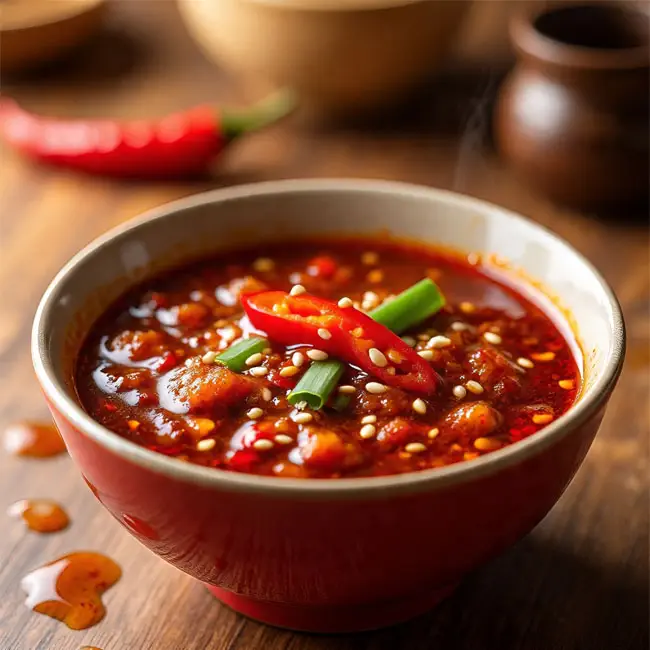
🔹 Recipe 1: Jeow Bong (Lao Chili Paste Dip)
About This Recipe: The Smoky Soul of Lao Snacking
If sticky rice (khao niao) is the body of Lao cuisine, then Jeow Bong is the soul. This isn’t just a chili sauce; it’s a deep, complex, and highly addictive paste that captures the essence of Lao flavor: smoky, spicy, slightly sweet, and fiercely savory.
Jeow simply means "dip" or "sauce," and Bong refers to the dried chili paste component. What sets it apart from other Asian chili sauces is the caramelized sweetness (often from fried shallots and sugar) combined with an unforgettable smokiness (from roasted chilies and aromatics). Traditionally, it includes a savory element like dried buffalo skin or crushed dried meat, which adds texture and umami, though we'll keep it simple for the home kitchen.
Locals use Jeow Bong for everything: as a dip for fresh vegetables, a spread on grilled meats, or simply mixed into a ball of sticky rice. Making it at home is surprisingly straightforward, but the roasting process is key to achieving that authentic, deep flavor.
Ingredients & Measurements
- 10 dried red chilies (large, long variety like Chili de Árbol or similar)
- 2 fresh red chilies (optional, for a brighter, fresher heat)
- 4 cloves garlic (unpeeled is fine for roasting)
- 4 shallots (peeled and halved)
- 2-inch piece of ginger, peeled
- 1 tbsp fish sauce (or padaek, fermented fish sauce, for a stronger, more traditional flavor)
- 1 tsp sugar (palm sugar is best, but granulated works)
- 2 tbsp oil (neutral oil like canola or peanut)
- Optional: A small piece of dried meat or crispy fried pork skin, crushed (for texture)
Step-by-Step Instructions
1.Roast the Aromatics: Preheat your oven broiler or a dry pan over medium heat. Arrange the dried chilies, fresh chilies, unpeeled garlic, shallots, and ginger on the pan or tray. Roast (or dry-fry) for about 5-8 minutes, flipping occasionally, until the chilies are blackened in spots and the shallots/garlic are soft and slightly charred. The char is where the smoky flavor comes from!
2.Pound the Paste: Transfer the roasted aromatics (peel the garlic) into a mortar and pestle (preferred) or a small food processor. Pound or blend until you have a rough, thick paste. Don't over-process—a chunky texture is desirable.
3.Season the Paste: Add the fish sauce and sugar to the paste. Mix until the sugar is dissolved and the seasoning is incorporated.
4.Sauté for Depth: Heat the oil in a small pan over medium heat. Add the entire paste mixture. Sauté gently for about 3-5 minutes, stirring constantly. This step "blooms" the flavors, deepens the color, and helps preserve the paste.
5.Finish and Store: If using the optional dried meat/skin, crush it and fold it in now. Remove from heat and let cool completely. Store the Jeow Bong in an airtight jar.
6.Serve: Present with sticky rice, wedges of cucumber, slices of raw cabbage, or as a dipping sauce for grilled Sai Oua (Recipe 3!).
Pro Tips & Mistakes to Avoid
- Char is Flavor: Don't be afraid of a little char on the skins of the shallots and garlic; it’s essential for the smoky, rustic flavor.
- The Chili Factor: To control the heat from the dried chilies, you can snip off the stems and shake out some of the seeds before roasting.
- Sticky Rice Power: For the most authentic experience, try to find padaek (fermented fish sauce), which adds a deeper, funkier, and more complex savoriness than regular fish sauce.
- Pounding vs. Blending: The mortar and pestle is highly recommended. It crushes the ingredients, releasing oils and aromas in a way a blender cannot, resulting in a more complex final taste and texture.
FAQ: Your Jeow Bong Questions Answered
Q: How long does Jeow Bong last?
A: Because it’s cooked and has salt/chili, it’s quite shelf-stable. Stored in an airtight jar in the refrigerator, it can easily last for 2–4 weeks.
Q: Can I skip the roasting step?
A: You can, but you will lose the signature smoky flavor that defines Jeow Bong. If you can't roast, try sautéing the chilies and aromatics in oil for longer to soften them up.
Q: What is the best thing to eat it with?
A: Sticky rice (khao niao), scooped up by hand, is the traditional way. It also makes a phenomenal marinade for pork ribs or chicken wings!
Summary of Jeow Bong
Jeow Bong is smoky, spicy, savory, and incredibly versatile. It is a fundamental component of the Lao table, providing that bold, deeply flavorful kick that elevates simple rice or meat to something truly special.
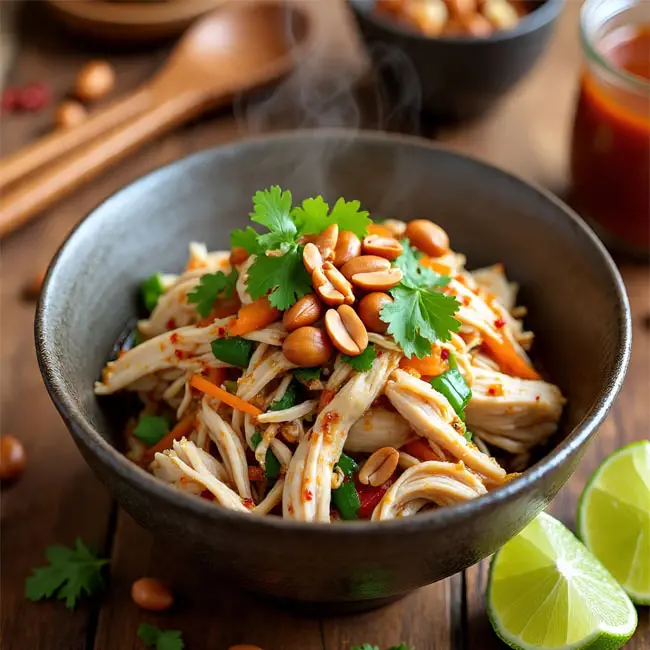
🔹 Recipe 2: Laap Gai (Lao Chicken Salad)
About This Recipe: The National Dish, Perfectly Herby
While Larb (or Laap—both spellings are common) is technically a main dish, its lightness, refreshing zest, and intense herb-forward flavor make it a perfect, vibrant starter. Laap Gai (Gai means chicken) is arguably the most popular and easiest version to make at home.
Laap is often called "minced meat salad," but it’s a million miles away from a Western salad. It’s a fiery, complex blend of warm, cooked (or sometimes raw) minced meat, a bright dressing of lime juice and fish sauce, a generous amount of fresh herbs, and the essential secret ingredient: toasted rice powder (khao khua).
The khao khua adds a beautiful nutty, earthy aroma and a subtle texture that binds the dish together. Eaten by wrapping spoonfuls in fresh lettuce or cabbage leaves, Laap Gai is the perfect introduction to the freshness and bold acidity of Lao cooking.
Ingredients & Measurements
- 300g ground chicken (or finely minced breast/thigh)
- 2 tbsp toasted rice powder (khao khua)
- 2 tbsp fish sauce
- 2 tbsp lime juice (freshly squeezed)
- 1 tsp dried chili flakes (or more, to taste)
The Herbs:
- 1 generous bunch fresh mint leaves
- 1 generous bunch fresh cilantro leaves
- 2 spring onions (green onions), chopped
- 3–4 shallots, thinly sliced
Step-by-Step Instructions
1.Make the Toasted Rice Powder: In a dry pan, toast 2 tablespoons of uncooked sticky rice over medium heat. Stir constantly until the rice is golden brown and smells intensely nutty. Grind it coarsely using a spice grinder or mortar and pestle. Set aside.
2.Cook the Chicken: In a dry pan (no oil needed), cook the ground chicken until it's just done. Avoid overcooking, as you want the meat to retain moisture. If a lot of liquid renders out, drain most of it.
3.Season While Warm: Transfer the cooked chicken to a mixing bowl. While it’s still warm, add the fish sauce, lime juice, chili flakes, and sliced shallots. Stir well—the residual warmth helps the meat absorb the seasoning.
4.Toss the Herbs and Rice Powder: Add the toasted rice powder, mint leaves, cilantro, and spring onions. Gently toss everything together just until the herbs are evenly distributed and slightly wilted by the warmth.
5.Taste for Balance: Taste the Laap. Lao cooking is about balance: adjust with more lime for sourness, more fish sauce for savory/saltiness, or more chili for heat. It should hit all three notes brilliantly.
6.Serve: Serve immediately, slightly warm or at room temperature, with sticky rice and a platter of crisp lettuce or cabbage leaves for wrapping.
Pro Tips & Mistakes to Avoid
- Balance is Key: The hallmark of great Laap is the balance between sour (lime) and salty/umami (fish sauce). Adjust these two components until they are perfectly balanced on your palate.
- Don't Skip the Khao Khua: The toasted rice powder is essential. It adds the nutty, signature Lao flavor and texture that makes Laap authentic. Don't use uncooked or un-toasted rice flour!
- The Mint Factor: Use a generous amount of mint. It's the primary cooling herb that provides the necessary contrast to the heat and acidity.
- Eat Fresh: Laap is best enjoyed immediately. The herbs will quickly lose their vibrant texture if the dish sits for too long.
FAQ: Your Laap Gai Questions Answered
Q: Can I use pre-ground toasted rice powder?
A: It's best to make it fresh, as the aroma is most intense right after toasting and grinding. If you buy pre-ground, make sure it’s specifically toasted sticky rice powder and store it in an airtight container.
Q: Is it supposed to be liquidy?
A: No. The final product should be moist and juicy from the meat and dressing, but not liquidy or soupy. The toasted rice powder helps absorb excess moisture and thickens the dish slightly.
Q: What is the most traditional meat for Laap?
A: Beef or duck are highly traditional and widely loved. Any protein works, but the flavor profile remains the same.
Summary of Laap Gai
Laap Gai is a refreshing, herby explosion of flavor. It’s light, zesty, and a perfect way to excite the palate before a main course. It truly showcases the Lao mastery of fresh ingredients and balanced seasoning.
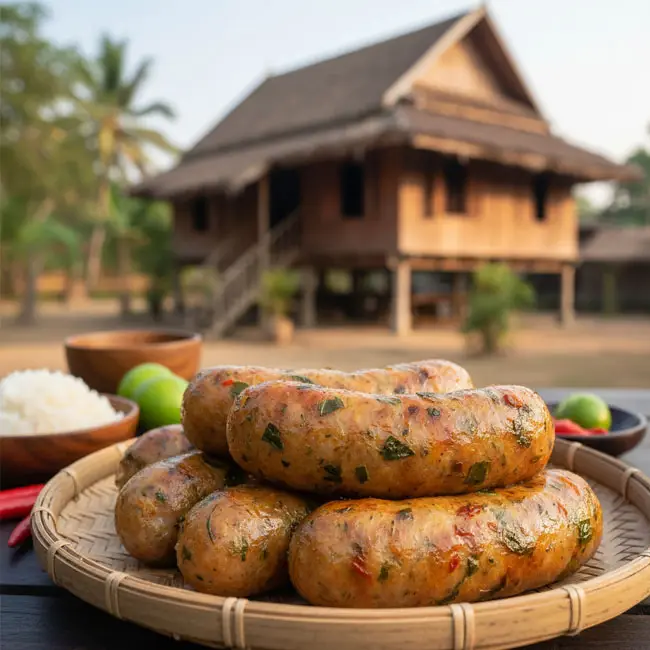
🔹 Recipe 3: Sai Oua (Lao Herbal Sausage)
About This Recipe: The Aromatic King of Lao Grills
If you’re looking for a Lao appetizer that’s intensely aromatic, satisfyingly savory, and perfect for grilling, look no further than Sai Oua. While commonly associated with Northern Thailand (as Sai Ua), the Lao version is equally beloved and often relies on a similar profile of unique herbs and aromatics.
Sai means "intestine/stuffing," and Oua means "stuffed." This is a fresh, grilled pork sausage, but its filling is what makes it legendary. The ground pork is packed with an explosive, fragrant paste of lemongrass, galangal, kaffir lime leaves, cilantro root, and chili. Unlike a dry European sausage, Sai Oua is juicy and rich, due to the fat content and the fresh herbs that release moisture and aroma as it cooks.
It's typically coiled into a beautiful spiral, grilled over charcoal until beautifully charred, and sliced into bite-sized pieces—perfect for dipping in Jeow Bong and enjoying with sticky rice.
Ingredients & Measurements
For the Sausage Stuffing:
- 500g ground pork (a mix of lean and fatty pork shoulder is best, about 70/30)
- 1 tbsp fish sauce
- 1 tsp sugar (palm sugar is preferred)
- Casing: Hog casing (natural casing) or skip the casing and form into patties or logs.
For the Aromatic Paste (Krueung):
- 3 tbsp chopped lemongrass (inner, soft part only)
- 2 tbsp chopped galangal (or ginger, if galangal is unavailable)
- 5 kaffir lime leaves, thinly sliced
- 3 cloves garlic
- 4 shallots
- 1 tbsp cilantro roots (or bottom stems of cilantro)
- 1 tsp turmeric powder (for color and flavor)
- 5 dried red chilies (soaked in hot water until soft)
- 1 tsp salt
Step-by-Step Instructions
1.Make the Aromatic Paste (Krueung): In a mortar and pestle or food processor, pound or blend all the ingredients for the Aromatic Paste until you have a smooth, deep yellow-orange paste. Scrape down the sides frequently. This is the heart of the flavor!
2.Mix the Sausage: In a large bowl, combine the ground pork, the entire aromatic paste, fish sauce, and sugar. Use your hands to thoroughly mix and knead the mixture for about 5 minutes. This is important—it helps the fat and protein bind, resulting in a juicier, firmer sausage.
3.Test the Flavor: Take a small spoonful of the mixture and fry it in a pan until cooked. Taste it and adjust the seasoning (more fish sauce for salt, more sugar for balance) before stuffing the casing.
4.Stuff the Casing (Optional): If using casing, feed the mixture into the hog casing using a sausage stuffer or wide funnel. Twist the sausage into links or a large, beautiful spiral coil. If skipping the casing, form the mixture into small patties or compact 4-inch logs.
5.Cook the Sai Oua: Grill over medium-low heat (charcoal is ideal for the smoky flavor). Cook slowly for about 20–30 minutes, turning often, until the sausage is browned, the casing is lightly charred, and the meat is cooked through. If pan-frying patties/logs, cook until golden and cooked inside.
6.Serve: Once rested, slice the Sai Oua into thick, bite-sized pieces. Garnish with a sprig of cilantro and serve hot with sticky rice, fresh cucumbers, and a side of Jeow Bong for dipping.
Pro Tips & Mistakes to Avoid
- Pound for Power: The key to great Sai Oua is using a mortar and pestle for the paste. Pounding releases the essential oils from the lemongrass and galangal better than a blender.
- The Right Pork: Use pork shoulder. You need the fat! The high amount of fat keeps the sausage juicy and allows the herbs to release their flavor without drying out the meat.
- Cook Low and Slow: Because the sausage is so thick, cooking it over medium-low heat is crucial. High heat will burn the outside and leave the center raw.
- Binding is Essential: Don't rush the kneading step. Binding the mix ensures the sausage has a good texture and doesn't crumble when sliced.
FAQ: Your Sai Oua Questions Answered
Q: Can I freeze Sai Oua?
A: Yes! You can freeze the uncooked sausage mixture or the finished, cooked sausage. Wrap tightly in plastic and place in a freezer bag.
Q: Where can I find hog casing?
A: Check with a local butcher, specialty meat markets, or large Asian supermarkets. If you can’t find it, don't worry—the patties or logs are just as delicious!
Q: Why is turmeric used?
A: Turmeric adds an earthy depth of flavor and gives the sausage its signature bright yellow hue when cooked, which looks beautiful and appetizing!
Summary of Sai Oua
Sai Oua is savory, herbaceous, and incredibly satisfying. It’s the ultimate Lao grill item, combining the simplicity of a sausage with the fragrant complexity of the country's unique aromatic ingredients. It's a perfect, hearty appetizer.
Final Thoughts: The Unforgettable Taste of Lao Appetizers
We’ve now journeyed through three fundamental pillars of the Lao appetizer experience: the smoky, potent heat of Jeow Bong, the bright, zesty freshness of Laap Gai, and the savory, intense aroma of Sai Oua.
These dishes are more than just starters; they are a concise, powerful introduction to the culinary spirit of Laos. They demonstrate the cuisine’s core values: using pungent, fresh herbs, achieving a perfect flavor balance, and always prioritizing food that is shared.
Cooking Lao food might feel like a leap of faith at first, but with simple, readily available ingredients (you can find most of them in a well-stocked grocery store now!), it’s surprisingly easy to achieve these authentic, bold flavors at home. The most important step is always to taste and adjust—add more lime, a dash more fish sauce, or a pinch more chili until the dish speaks to you.
I highly encourage you to start with one of these recipes, invite some friends over, grab a basket of sticky rice, and watch these bold, beautiful appetizers disappear. You’ll not only be cooking incredible food, but you’ll also be sharing one of the world’s best-kept culinary secrets.
Which will you prepare first: the essential dipping sauce (Jeow Bong), the refreshing salad (Laap Gai), or the fragrant sausage (Sai Oua)? Let the Lao feast begin!
| 🇱🇦 🥪 < Back |