
🏠 Home > 🗺️ Recipes > 🥗 Salads > 🇮🇩 Indonesia Salads
🇮🇩 🥗 Indonesia Salads Recipes
Published by Supakorn | Updated: February 2026
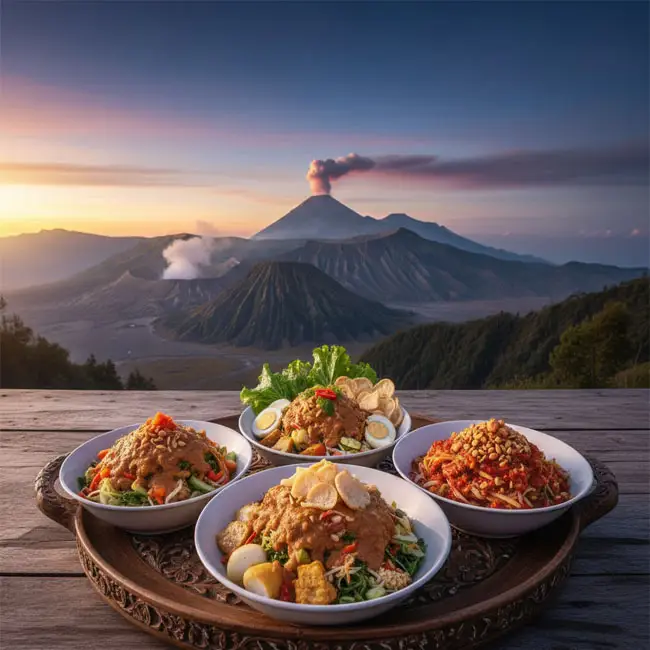
When people hear the word “salad,” they often imagine Western-style bowls with raw vegetables and light dressing. But in Indonesia, salads mean something very different. Indonesian salads are not side dishes — they are full meals, cultural symbols, and everyday comfort food.
Indonesia’s salads are rich, filling, and deeply connected to tradition. They combine vegetables, herbs, natural flavors, and community values into dishes that feel both simple and meaningful. These are not modern health trends — they are recipes shaped by generations of daily life, local farming, and cultural wisdom.
This guide explores Indonesian salads through culture, lifestyle, eating habits, and iconic dishes — without focusing on recipes — so you can truly understand their place in Indonesian daily life.
🌴 What “Salad” Means in Indonesian Culture
In Indonesia, salads are not just about raw vegetables. They are structured meals built around balance, harmony, and nourishment.
Indonesian salads often combine:
• Fresh or lightly processed vegetables
• Natural textures and contrasts
• Cultural flavor identities
• Traditional eating habits
These dishes are designed to satisfy hunger, not just to be light or decorative. For many Indonesians, salads are everyday meals, not special diet food.
🍚 Salads as Main Dishes, Not Side Dishes
Unlike Western dining culture, where salads are often starters or sides, Indonesian salads are often main dishes.
They are eaten for:
• Breakfast
• Lunch
• Light dinner
• Street food meals
• Home meals
People choose these dishes because they are filling, comforting, and familiar. Indonesian salads reflect the idea that plant-based meals can be deeply satisfying and complete.
🏡 Daily Life and Indonesian Salad Culture
Salads in Indonesia are part of daily routines. They are sold at:
• Street stalls
• Local markets
• Small family eateries
• Neighborhood food carts
• Traditional food vendors
Many people grow up eating these dishes regularly, making them emotionally connected to childhood, family, and home.
They are not seen as “healthy trends,” but as normal food — everyday food.
🥬 Freshness, Nature, and Local Ingredients
Indonesian salads reflect a close relationship with nature. Ingredients are often locally grown, seasonal, and naturally available.
This creates a strong connection between:
• Food and environment
• Culture and agriculture
• Eating and sustainability
Salads are built around what the land provides, not imported concepts of “superfoods” or modern diets.
🧑🌾 Traditional Knowledge Behind Indonesian Salads
Many Indonesian salads are based on traditional knowledge passed down through families.
People learn these dishes from:
• Parents
• Grandparents
• Community traditions
• Local culture
This knowledge is not written in cookbooks — it is lived, practiced, and shared through daily life.
🥗 Iconic Indonesian Salad Dishes
These salads are some of the most well-known and culturally important in Indonesia. Each represents a different region, tradition, and lifestyle.
🥜 Gado-Gado – Indonesia’s Most Famous Salad
Gado-Gado is one of Indonesia’s most recognized salad dishes. It is often described as a “complete meal” rather than just a salad.
It represents balance, harmony, and comfort. People from different generations enjoy it equally, making it a timeless dish in Indonesian culture.
Gado-Gado is commonly eaten at home, in markets, and at small eateries, showing how deeply it is embedded in daily life.
🌿 Pecel – Community Food from Java
Pecel is closely associated with Javanese daily life. It reflects simplicity, community, and local culture.
This dish is commonly eaten in the morning or afternoon and is strongly tied to traditional markets and neighborhood food stalls.
Pecel represents how Indonesian salads are not elite foods — they are people’s food.
🥒 Karedok – Freshness and Raw Tradition
Karedok is known for its raw vegetable base, making it one of the freshest forms of Indonesian salad.
It reflects natural eating habits and respect for fresh ingredients. This dish shows how Indonesian culture values natural textures and original flavors.
🍃 Urap – Cultural Harmony on a Plate
Urap is often associated with ceremonies and communal gatherings.
This dish symbolizes harmony — different elements coming together to create balance. It reflects Indonesian philosophy about unity and togetherness.
🥬 Lotek – Comfort and Familiarity
Lotek is a comforting, home-style salad dish that feels deeply familiar to many Indonesians.
It is often associated with childhood memories, family kitchens, and simple daily meals.
🥕 Asinan – Refreshing and Social Food
Asinan is known for its refreshing character and is commonly enjoyed during hot days.
It is popular at street stalls and social gatherings, making it a social food rather than just a personal meal.
🏙️ Street Salad Culture in Indonesia
Street food culture plays a big role in Indonesian salad traditions.
Vendors prepare salads fresh in front of customers, creating trust, familiarity, and connection. People often return to the same vendors for years, building relationships that go beyond food.
Street salads are affordable, accessible, and deeply rooted in community life.
👨👩👧👦 Family and Home Cooking Traditions
Indonesian salads are often prepared at home for family meals.
They are part of:
• Daily cooking
• Family gatherings
• Religious events
• Community celebrations
Preparing these dishes is a form of care. Making food for others is seen as an expression of love and responsibility.
🕌 Cultural Meaning of Indonesian Salads
Indonesian salads reflect cultural values such as:
• Balance
• Simplicity
• Togetherness
• Respect for nature
• Community living
They are not just food — they are expressions of worldview and lifestyle.
🌍 Indonesian Salads in Modern Life
In modern Indonesia, traditional salads still remain relevant.
Even with fast food and modern dining options, people continue to choose traditional salads because they feel familiar, comforting, and culturally meaningful.
Young generations still eat these dishes, proving that tradition and modern life can coexist.
✈️ Why Indonesian Salads Attract Global Interest
International visitors often discover Indonesian culture through its salads.
These dishes show that salads can be:
• Filling
• Flavorful
• Cultural
• Emotional
• Social
They challenge the global idea of what a salad can be.
🌱 Indonesian Salads as Cultural Identity
For Indonesians, these salads represent more than food.
They represent:
• Home
• Tradition
• Family
• Roots
• Identity
They are part of what makes Indonesian cuisine unique in the world.
❓ FAQ: Indonesia Salads
Q1: Are Indonesian salads considered main dishes?
Yes, many Indonesian salads are full meals, not side dishes.
Q2: Are these salads eaten daily?
Yes, many are part of everyday eating habits.
Q3: Are Indonesian salads always spicy?
Not always. Spice levels vary by region and personal taste.
Q4: What makes Indonesian salads unique globally?
Their cultural depth, social role, and connection to daily life.
🥗 Title เพจย่อย+3สูตร Salads
👉 Savor 3 Beginner-friendly Indonesia Salads
| 🌐 🥗 < Back | 🇮🇩 🍲 < Previous | Next > 🍞 🇮🇩 |