
🏠 Home > 🗺️ Recipes > 🍲 Soups > 🇬🇳 Guinea Soups
🇬🇳 🍲 Guinea Soups Recipes
Published by Supakorn | Updated: March 2026
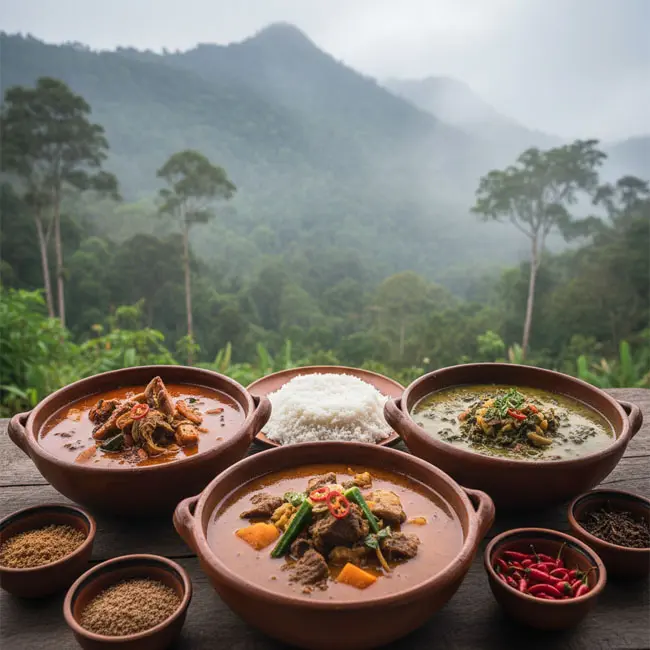
If there is one thing you need to know about West African cuisine, it’s that the "soup" or "sauce" is the absolute heart of the home. In Guinea (Conakry), when someone asks if you’ve eaten, they aren't talking about a light snack or a sandwich. They are asking if you’ve had your fill of a rich, steaming bowl of soup poured over a mountain of fluffy rice or thick foutou.
Guinean soups are legendary. They aren't the thin, watery broths you might find in a French cafe. No, these are thick, nutrient-dense, "stick-to-your-ribs" masterpieces. They are packed with groundnuts, leafy greens, palm oil, and slow-cooked proteins that have been simmering for hours until the flavors dance together in perfect harmony. Grab a spoon (or just use your hands, as the locals do!), and let’s explore the soulful world of Guinean soups.
🌍📚 The "Sauce" Culture: More Than Just a Liquid 🇬🇳 🍲
In Guinea, the word for soup is often used interchangeably with "sauce." This is because these dishes are rarely eaten alone; they are designed to accompany a starch. Whether it’s rice, millet, cassava, or yams, the soup is the star performer that brings the flavor.
🏠 The Communal Platter Tradition
Eating soup in Guinea is a deeply social experience. Usually, a massive bowl of rice is placed in the center of the table (or a mat on the floor), and the soup is poured generously over the top. Everyone eats from their own "sector" of the bowl. It’s a beautiful way of bonding. It teaches patience, sharing, and respect for the meal. In many households, the best pieces of meat or fish are reserved for guests or elders—a true sign of Guinean hospitality.
👩🍳 The Art of Slow Cooking
You won't find many "30-minute meals" here. Guinean mothers and grandmothers believe that a good soup takes time. The base—often onions, peppers, and tomatoes—is sautéed until caramelized, and the tough cuts of meat are simmered until they literally melt off the bone. This slow process allows the natural oils from the peanuts or the palm fruit to rise to the top, which is a sign of a perfectly cooked Guinean dish.
🥘 Iconic Guinean Soups You Have to Try
While every region has its own secret twist, there are a few heavy hitters that define the Guinean palate. These are the "must-eats" if you ever find yourself in Conakry or the Fouta Djallon highlands.
🥜 1. Maffi Tigadeguena (The Famous Peanut Soup)
This is perhaps the most famous West African export, and Guinea does it exceptionally well. Maffi Tigadeguena is a thick, creamy soup made from groundnut (peanut) paste.
• The Flavor: It’s savory, nutty, and slightly sweet from the carrots and sweet potatoes often added to the pot.
• The Protein: It can be made with beef, lamb, or chicken. The peanut oil creates a rich sheen on the surface that is pure flavor gold. It’s the ultimate comfort food.
🍃 2. Sauce Feuille (Leafy Green Soup)
If you want to eat like a local, you need to try Sauce Feuille. In Guinea, "leaves" are a major food group. This soup can be made from sweet potato leaves, cassava leaves (known as Maffi Hakko Manto), or spinach.
• The Secret: The leaves are finely shredded and cooked with palm oil, dried fish, and fermented locust beans (soumbala).
• The Texture: It’s thick, earthy, and incredibly healthy. The soumbala gives it a deep, funky, umami flavor that is totally unique to the region.
🐟 3. Konkoé (Smoked Fish Soup)
Being a coastal country, Guinea has an incredible abundance of seafood. Konkoé is a celebrated soup made with smoked fish. The smoking process gives the fish a firm texture and a deep, campfire aroma that infuses the entire broth. It’s usually cooked in a spicy tomato and onion base and served over white rice.
🍲 4. Maffi Gombo (Okra Soup)
If you like textures, Maffi Gombo is for you. Okra is used as a thickening agent, giving the soup a silky, slightly viscous consistency. It’s often packed with seafood—crab, shrimp, and fresh fish—and spiked with a lot of chili. It’s known for being one of the most hydrating and revitalizing soups on a hot day.
🥣 The Guinean Pantry: What Makes the Soup?
What gives Guinean soup that "magic" taste? It’s all about the staples found in the local markets.
🥥 Palm Oil vs. Groundnut Oil
In the coastal regions, Red Palm Oil is the king. It gives soups a vibrant orange-red color and a rich, earthy flavor. In the interior, peanut oil is more common. Both are used unrefined, keeping all those healthy nutrients and fats intact.
🧄 The Holy Trinity of Aromatics
Almost every Guinean soup starts with a pounded mixture of:
• Onions (Lots of them!)
• Garlic and Ginger
• Habanero Peppers (For that signature West African heat)
🧂 Soumbala: The Secret Weapon
You can't talk about Guinean soup without mentioning Soumbala. Made from fermented néré seeds, these little pungent balls are the "bouillon cubes" of traditional Africa. They add a depth of flavor that is hard to describe—somewhere between miso and aged cheese. It’s what gives the soups their "soul."
🏔️ Regional Variations: From the Coast to the Mountains
Guinea is geographically diverse, and its soups reflect that!
1.Lower Guinea (The Coast): Here, soups are heavy on fish, palm oil, and coconut. They tend to be brighter and more tropical.
2.Middle Guinea (Fouta Djallon): The land of the Fulani people. Here, you’ll find more dairy influence and soups that use a lot of leaf-based greens and beef, as cattle herding is a way of life.
3.Upper Guinea (The Savannah): This region loves its grains. Soups here are often served with fonio (an ancient grain) and are frequently peanut-based.
4.Forest Guinea: This area produces amazing root vegetables, so expect your soups to be packed with chunks of taro, yam, and cassava.
💡 How to Eat Soup Like a Guinean
If you’re invited to a meal in Guinea, here are a few "pro tips" to keep in mind:
• The Right Hand Only: In Guinea, as in much of West Africa, it is customary to eat with your right hand. Even with soup, you use a ball of rice or foutou to "scoop" the sauce.
• Watch the Bones: Traditional soups often use bone-in meat for extra flavor. Be careful as you navigate the delicious morsels!
• The Chili Warning: If you see a whole habanero pepper floating in your soup, do not pop it unless you are a champion of spice. It’s often left whole to infuse flavor without making the dish unbearably hot—unless you break it open!
🧐 Frequently Asked Questions (FAQ)
❓ Q1. Are Guinean soups healthy?
Extremely! Most Guinean soups are made from scratch using fresh leafy greens, natural oils, and protein. They are high in vitamins (especially Vitamin A from palm oil and iron from the greens) and contain no processed preservatives.
❓ Q2. Can I make these soups if I’m vegan?
Yes! While meat and fish are traditional, the "base" of Guinean soups—the peanut paste or the palm oil and greens—is entirely plant-based. You can easily substitute meat with extra vegetables, mushrooms, or beans, and you’ll still get that incredible depth of flavor.
❓ Q3. What is "Foutou" and why is it served with soup?
Foutou is a dense, dough-like mash made from boiled yams, cassava, or plantains. It’s used as a "utensil." You tear off a small piece, make a thumb-print indentation, and use it to scoop up the thick soup. It’s the perfect neutral base for the heavy flavors of the sauce.
🍲 Cozy Bowls of Conakry: Authentic Guinean Soups for Busy Nights
👉 Learn 3 (30-Minute) Guinean Soups
| 🌐 🍲 < Back | 🇬🇳 🍷 < Previous | Next > 🥗 🇬🇳 |