
🏠 Home > 🗺️ Recipes > 🍨 Desserts > 🇬🇹 Guatemala Desserts > 🍨 1.Molletes (Sweet Rolls in Syrup) , 2.Torrejas (Guatemalan Spiced Sweet Bread) , 3.Canillitas de Leche (Guatemalan Milk Fudge Candy)
🍨 Authentic Guatemalan Sweets: Delicious Recipes for Your Next Family Gathering
Published by Supakorn | Updated: February 2026
🍮 Welcome to the Sweet Side of Guatemala
Hey there, dessert fans and seekers of global flavor! If you're looking for a way to cap off your next family dinner with something truly special, forget the standard cookie or cake. It’s time to journey to the heart of Central America and discover the magic of Guatemalan desserts. These aren't just sweet treats; they are postres—dishes steeped in history, combining indigenous ingredients with the rich baking traditions introduced by the Spanish. The result is a cuisine of comforting, rich, and utterly unique sweets that are perfect for sharing around a busy table.
Guatemalan desserts are designed for exactly this kind of gathering. They often involve communal preparation and are meant to be eaten slowly alongside a strong, aromatic cup of coffee, turning a simple dinner finish into a beloved cultural ritual. And guess what? Their unique blend of texture and flavor is starting to gain international recognition as food enthusiasts around the world discover how approachable and delicious these recipes truly are!
Ready to bring some Central American warmth into your kitchen? We've put together a long-form, step-by-step guide for three of the most essential and beloved Guatemalan desserts. These are recipes that will not only satisfy your sweet tooth but also tell a delicious story to everyone you share them with.
We’ll be mastering three classics today:
🏆 1.Molletes: The festive, syrup-soaked sweet rolls, often filled with custard or jam.
🏆 2.Torrejas: The sweet, syrup-soaked bread slices, perfect for holidays.
🏆 3.Canillitas de Leche: The simple, melt-in-your-mouth milk fudge candy.
Let’s get cooking!
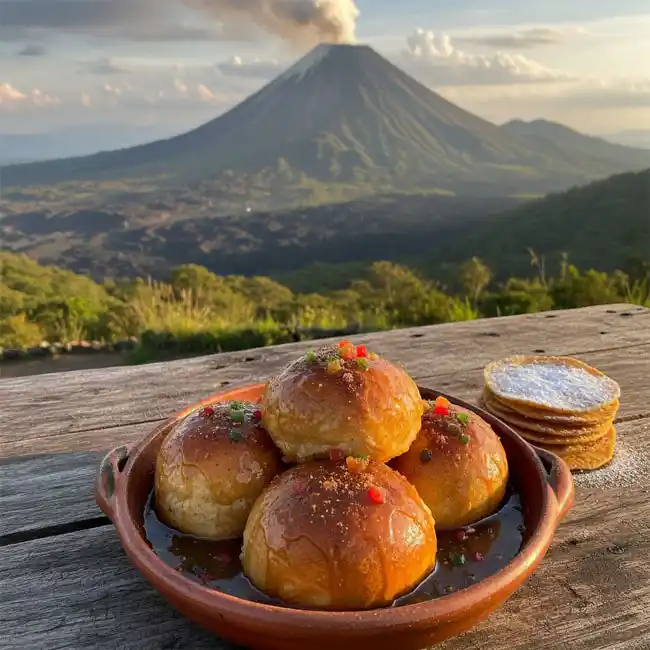
🍑 Recipe 1: Molletes (Sweet Rolls in Syrup)
🌟 About this Recipe
Molletes are a celebratory, festive Guatemalan dessert, instantly recognizable by their appearance: sweet bread rolls that have been filled, covered in a light batter, lightly fried, and then soaked in a deep, aromatic panela syrup. Unlike the simpler Torrejas (which we'll get to later!), Molletes are stuffed—most traditionally with a sweet custard (manjar) or preserved fruit (higo or durazno). They are often reserved for special occasions like Semana Santa (Holy Week), making them a wonderful way to bring a touch of Guatemalan tradition and celebration to your own family dinner. The soft, filled center, the delicate fried crust, and the warm, spiced syrup make this a true standout postre.
🛒 Ingredients & Measurements
To create a batch of 8 Molletes, you'll need these items, which are divided into three components: the syrup, the filling, and the rolls.
For the Rolls & Batter:
• Eight sweet bread rolls (pan dulce or brioche-style rolls): These should be slightly stale or firm enough to hold their shape when filled.
• Two large eggs: Separated into yolks and whites for the batter.
• Vegetable oil: Enough for shallow frying (about one inch deep in your pan).
For the Filling (Simplified Sweet Custard):
• Half a cup of preserved fruit or jam: Traditional choices are fig (higo) or peach (durazno), or simply use a thick apricot jam.
• One tablespoon of cornstarch (optional): To help thicken the filling if using a jam.
For the Panela Syrup (Miel):
• Three cups of water: The liquid base for the syrup.
• One large panela cone (about 8 oz) or one cup of packed dark brown sugar: Panela is key for that deep molasses flavor.
• One cinnamon stick: A large piece to infuse the syrup.
• Four whole cloves: For essential warming spice.
• Three peppercorns: A traditional addition to add a subtle complexity to the syrup.
👩🍳 Step-by-Step Instructions
1.Prepare the Panela Syrup: In a large, deep saucepan, combine the water, panela (or brown sugar), cinnamon stick, cloves, and peppercorns. Bring the mixture to a boil over medium-high heat. Once boiling, reduce the heat to low and simmer gently for at least 30 minutes, stirring occasionally, until the syrup is aromatic and has thickened slightly. Remove the spices and keep the syrup warm.
2.Prepare the Rolls and Filling: Use a sharp knife to cut a small pocket or slit into the side of each sweet roll. If using preserved fruit, ensure it is thick. Gently spoon approximately two teaspoons of your filling into the pocket of each roll, making sure the roll can still close nicely.
3.Prepare the Egg Batter: Separate the eggs. In a clean, dry bowl, beat the egg whites with a whisk or electric mixer until stiff peaks form (like a meringue). Gently whisk the egg yolks in a separate bowl. Then, gently fold the yolks into the egg white mixture to create a light, fluffy batter.
4.Fry the Molletes: Heat the oil in a frying pan over medium heat. Carefully take one filled roll and gently coat it completely in the fluffy egg batter. Place it carefully in the hot oil. Fry for about 1–2 minutes per side, turning until the egg batter is cooked through and golden brown. The goal is to cook the batter, not the roll. Repeat with all rolls, placing them on paper towels to drain briefly.
5.Soak and Serve: Immediately after frying and draining, place the warm Molletes into the pot of warm panela syrup. Let them soak for 5 to 7 minutes, turning once, so they are fully saturated and the sauce penetrates the bread. Serve the Molletes warm in individual bowls, drizzling a generous amount of the spiced syrup over each one.
💡 Tips & Mistakes to Avoid
• Seal the Filling: After filling the roll, try to press the edges together gently. If the filling leaks out during frying, it will make the oil dirty and can cause the roll to fall apart in the syrup.
• Don't Over-Fry: The frying process is very quick (just a minute or two per side). You are just cooking the egg batter until it sets and turns golden; you don't want to dry out the bread inside.
• Keep the Syrup Warm: The syrup must be warm when you place the Molletes in it. A warm syrup absorbs better into the bread than a cold one, ensuring the roll is moist and flavorful.
• Use Sturdy Bread: Because the bread is filled and then soaked, choose a sweet roll that is dense enough to hold up without disintegrating, but soft enough to absorb the syrup.
❓ FAQ
Q: Is a simple custard filling traditional for Molletes?
A: Yes, a simple, thick vanilla or lemon-flavored custard (manjar) is highly traditional for Molletes. However, it requires a bit more preparation. Using a thick, high-quality preserved fruit filling (like figs or peaches) is a very common and equally traditional shortcut that achieves the desired sweet and soft center.
⭐ Summary
Molletes are a delightful, multi-layered dessert experience—soft, filled sweet rolls saturated in a warm, aromatic panela syrup. They are an authentic taste of Guatemalan celebration and a perfect, comforting dish to share with family and friends.

🥖 Recipe 2: Torrejas (Guatemalan Spiced Sweet Bread)
🎄 About this Recipe
Torrejas are the ultimate celebratory dessert in Guatemala, particularly popular during religious holidays like Semana Santa (Holy Week) and Christmas. Think of them as a richer, sweeter, more decadent cousin to French toast or a bread pudding. The base is thick slices of sweet bread (pan de yemas or a brioche-style roll) that are soaked briefly in milk, coated in a fluffy egg batter, lightly fried, and then—the most important step—submerged in a fragrant, complex syrup made from panela (unrefined cane sugar) and warming spices. The result is a soft, moist, syrup-drenched delight that embodies holiday comfort.
🛒 Ingredients & Measurements
This recipe makes about 8 hearty torrejas and requires a two-part process: making the syrup and preparing the bread.
For the Torrejas:
• Eight thick slices of sweet bread: Use pan de yemas from a Guatemalan bakery, or substitute with Challah, Brioche, or even thick-cut Portuguese sweet bread. Stale bread works best!
• Four large eggs: Separated into yolks and whites.
• One cup of whole milk: Used for soaking the bread.
• One tablespoon of sugar (optional): To sweeten the egg whites slightly.
• Vegetable oil or butter: Enough for shallow frying.
For the Panela Syrup (Miel):
• Two cups of water: The liquid base for the syrup.
• One large panela cone (about 8 oz) or one cup of packed dark brown sugar: Panela gives the best, deepest flavor.
• One cinnamon stick: A large piece to infuse the syrup.
• Four whole cloves: For added warmth and spice.
👩🍳 Step-by-Step Instructions
1.Prepare the Panela Syrup: In a saucepan, combine the water, panela (or brown sugar), cinnamon stick, and cloves. Bring the mixture to a boil over medium-high heat, then immediately reduce the heat to low and simmer for at least 20 minutes, stirring occasionally, until the syrup thickens slightly. The final consistency should be similar to maple syrup. Remove the spices and keep the syrup warm.
2.Soak the Bread: In a wide, shallow bowl, pour the milk. Quickly dip both sides of each sweet bread slice into the milk. The bread should be moistened but not soggy. Set the slices aside.
3.Prepare the Egg Batter: Separate the eggs. In a clean, dry bowl, beat the egg whites with a whisk or electric mixer until stiff peaks form (this is the meringue). Gently beat the egg yolks in a separate bowl. Then, gently fold the yolks into the egg white mixture. This creates a fluffy, light batter.
4.Fry the Torrejas: Heat a small amount of oil or butter in a frying pan over medium heat. Take one slice of the soaked bread, gently coat it completely in the egg batter, and carefully place it in the hot pan. Fry for about 2–3 minutes per side until the egg is cooked through and golden brown. Repeat with all slices.
5.Submerge and Serve: Immediately after frying, place the warm torrejas directly into the pot of warm panela syrup. Let them soak for 3 to 5 minutes, turning once, so they are fully saturated. Serve the torrejas warm in individual bowls, drizzling a generous amount of the spiced syrup over each one.
💡 Tips & Mistakes to Avoid
• Use Stale Bread: This is crucial! Using slightly dry or stale sweet bread prevents it from falling apart when you soak it in the milk. If your bread is fresh, leave it out uncovered for an hour before starting.
• Don't Over-Soak: The goal is to moisten the surface, not turn the bread into mush. A quick dip in the milk is enough, as the syrup will do the heavy soaking later.
• Whip the Eggs Properly: The fluffy egg batter is what gives torrejas their distinct soft, cloud-like texture and golden exterior. Ensure the egg whites are whipped to stiff peaks before folding in the yolks.
• Serve Warm: This dessert is absolutely best served warm, straight out of the syrup. The warmth allows the complex spice flavors of the panela syrup to truly shine.
❓ FAQ
Q: Can I use regular white bread for Torrejas?
A: While you can use any bread, we highly recommend using a rich sweet bread like Brioche or Challah. Basic white sandwich bread is usually too flimsy and will quickly fall apart when soaked and dipped in the batter, whereas the firmer structure of sweet bread holds up better to the soaking and frying process.
⭐ Summary
Torrejas are the essence of a Guatemalan holiday. Rich, warm, and deeply spiced by the panela syrup, they are a comforting dish that is guaranteed to gather the whole family around the table. They are a true taste of celebratory Central American cooking.

🥛 Recipe 3: Canillitas de Leche (Guatemalan Milk Fudge Candy)
🍬 About this Recipe
Canillitas de Leche are the sweet, milky, and crumbly candies that define the market sweet stalls of Guatemala. Simple in their ingredients—just milk, sugar, and a hint of spice—they are deceptively complex to prepare, requiring patience and constant attention. Canillitas translate to "little shins" or "little bones," referring to their small, cylindrical shape. They have a tender, crumbly texture that melts in your mouth and are intensely sweet, making them the perfect, small bite to finish a meal or to enjoy as a coffee companion.
🛒 Ingredients & Measurements
This recipe is simple but requires a large quantity of milk and a long cooking time to reduce it into the final fudge consistency.
• Two liters (about 8 cups) of full-cream milk: Whole milk is essential for richness.
• Two cups of white granulated sugar: For intense sweetness and crystal formation.
• One large cinnamon stick: Added to infuse the milk as it reduces.
• Half a teaspoon of baking soda: This helps prevent the milk from curdling and gives the final product a softer texture.
• One teaspoon of vanilla extract (optional): Added at the very end for an extra aromatic note.
• Butter or parchment paper: For greasing the surface where the candy will set.
👩🍳 Step-by-Step Instructions
1.Start the Reduction: In your largest, deepest pot (use a large pot as the milk will foam), combine the two liters of milk, the two cups of sugar, and the cinnamon stick. Bring the mixture to a gentle boil over medium-high heat, stirring until the sugar is dissolved.
2.Add the Baking Soda (Watch Out!): Once boiling, reduce the heat to medium-low. Add the half teaspoon of baking soda. The milk will immediately foam up high, so watch carefully and be ready to pull the pot off the heat if it threatens to overflow. Stir until the foam subsides.
3.The Long Simmer: Continue to simmer the mixture on medium-low heat. This process will take between one and two hours. You must stir the mixture constantly—especially as it starts to thicken—to prevent scorching on the bottom, which will ruin the flavor.
4.Achieve Fudge Consistency: The milk will slowly reduce, turn a creamy caramel color, and thicken substantially. You know it’s ready when you can drag a spoon across the bottom of the pot and it takes a moment for the mixture to cover the exposed surface. The total volume should be reduced by about three-quarters. Stir in the vanilla extract now.
5.Set and Cut: Quickly pour the thick mixture onto a buttered baking sheet or a surface lined with parchment paper. It will cool and set very fast! While it’s still warm and pliable, use a buttered knife to cut the slab into small, traditional cylindrical shapes (about 1.5 inches long). Allow the canillitas to cool completely before serving.
💡 Tips & Mistakes to Avoid
• Stir Constantly, Especially Later On: This cannot be overstated. Once the milk starts reducing and thickening (usually after the first hour), the bottom will burn easily. Use a wooden spoon and scrape the entire bottom surface continuously.
• Use a Large Pot: The milk will foam up significantly, especially when the baking soda is added and during the initial boiling phase. A pot that is two to three times the volume of the liquid is essential.
• Test for Readiness: If you're unsure if the candy is set, drop a very small spoonful into a glass of cold water. If it remains soft and dissolves, it needs more cooking. If it forms a soft, chewy ball, it’s ready.
Cut Quickly: Once you pour the mixture onto the setting surface, you have a very short window (about 5 minutes) to cut the canillitas before they become too firm to slice cleanly.
❓ FAQ
Q: My Canillitas took much longer than two hours to thicken. Is that normal?
A: Yes, the cooking time can vary significantly depending on the heat level and the exact fat content of your milk. The key is maintaining a very low simmer and stirring patiently. Do not rush the process by turning up the heat, as that will likely cause the milk to scorch or the sugar to crystallize into a grainy texture.
⭐ Summary
Canillitas de Leche are the sweet, simple pleasure of Guatemalan street food. They are intensely milky, perfectly spiced, and require patience, but the final, melt-in-your-mouth texture is a deeply rewarding taste of traditional Central American candy-making.
✨ Bringing the Postres Home
What a sweet journey! We’ve successfully navigated three cornerstones of Guatemalan dessert culture: the festive, filled Molletes; the spiced, decadent Torrejas; and the milky, simple Canillitas de Leche.
As you can see, homemade postres are not nearly as complicated as their rich flavors might suggest. They rely on simple, staple ingredients and require just two main things: a little patience for the slow simmer or the perfect texture of the bread, and a deep appreciation for the warming spices of cinnamon and panela.
We highly encourage you to try all three recipes for your next family gathering. Start with the one that appeals most—perhaps the unique, filled Molletes or the torrejas for pure, holiday-style indulgence. Cooking is an adventure, and sharing these traditional foods is the best way to travel the world from your own kitchen. Don't forget to brew a strong pot of coffee to go alongside them! We’d love to hear about which one became your family’s favorite! Happy baking!
| 🇬🇹 🍨 < Back |