
🏠 Home > 🗺️ Recipes > 🥘 Sauces > 🇬🇲 Gambia Sauces
🇬🇲 🥘 Gambia Sauces Recipes
Published by Supakorn | Updated: February 2026
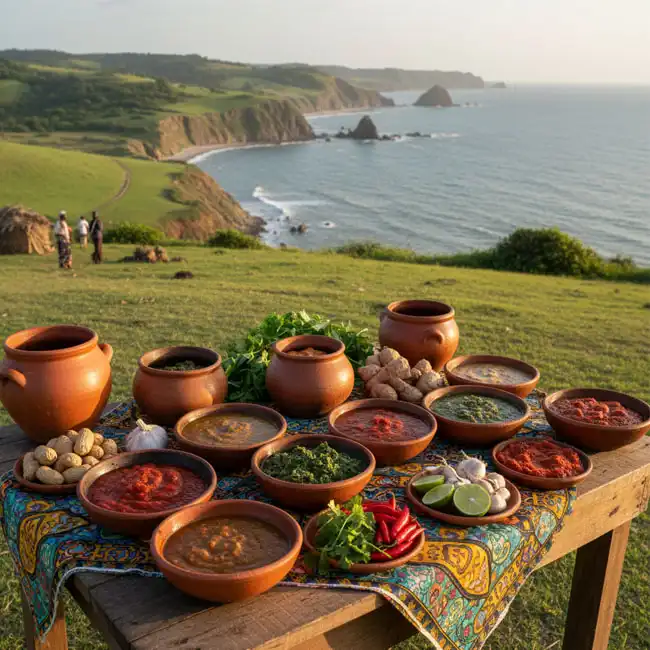
🍯 ✨ The Rich Heartbeat of West African Flavor: Why the Sauce is Everything
Forget what you think you know about "sauces." In The Gambia, we’re not talking about a light drizzle of dressing or a little side dip. We're talking about the whole reason for the meal! In Gambian cuisine, the sauce (or, more accurately, the stew or covering) is the star attraction. It’s a rich, hearty, slow-cooked masterpiece designed to be poured generously over a foundational staple—most often a big mound of fluffy white rice, but also millet, couscous, or even fufu.
This culinary tradition is rooted in the country's social structure and history. As a vibrant, multicultural society (home to Mandinka, Wolof, Fula, Jola, and other groups), the food needed to be unifying, nourishing, and flexible. The answer? A diverse collection of highly flavourful, thick sauces that use local, seasonal ingredients, ensuring a filling and satisfying meal every day.
The relationship between the staple (the rice or millet) and the sauce is a beautiful partnership. The staple provides the bulk, and the sauce provides the intense flavour, the protein, the essential fats, and the vitamins. For a Gambian family, making a good sauce isn't just cooking; it's an act of love, of providing, and of preserving tradition. It’s where the best stories are told, and where the communal dining experience truly begins.
🌴 🧅 The Pillars of Gambian Flavor: Ingredients and Influences
To understand the sauces, you have to know the pantry. Gambian sauces are a brilliant reflection of West Africa’s abundant resources and a dash of history. Here’s what makes the magic happen:
🥜 1. The Peanut Powerhouse (Groundnuts)
You can't talk about Gambian cooking without talking about peanuts, or "groundnuts." The Gambia is famous for them! They've become an absolutely foundational ingredient, providing fat, protein, and a unique depth of flavour that defines the national dish. Whether roasted, boiled, or ground into a smooth, oily paste, they are the secret to that "melt-in-your-mouth" richness.
🐟 2. Coastal and River Abundance
Being hugged by the Atlantic Ocean and split by the mighty River Gambia, fish is central to the diet. We use everything! Smoked, dried, salted, or fresh—fish adds an intense, savoury, and often smoky flavour profile to many sauces. Even in meat-based stews, you'll often find a piece of dried fish added just for that extra layer of "umami."
🍅 3. The Tropical Palette
The colors of a Gambian market are the colors of our sauces. Red Palm Oil provides a vibrant orange hue and an earthy, silky texture. Okra is used as a natural thickener. Onions are the unsung heroes, used in massive quantities to build a sweet, caramelized foundation, while Tomato Paste provides the necessary acidity and body.
🍋 4. A Zesty Kiss of Acidity
Thanks to the Senegambian influence, we love a bit of tang! Lemon, lime, and mustard are frequently used in marinades, creating an incredible complexity that cuts through the richness of the heavier stews.
🏆 🥘 The Holy Trinity of Gambian Sauces: Domoda, Yassa, and Superkanja
If you're new to Gambian cuisine, you need to start with these three powerhouses. They are the most famous, most beloved, and most culturally significant sauces you'll encounter.
👑 1. Domoda: The National Dish, the Groundnut Glory
If The Gambia had a culinary flag, it would feature Domoda. It’s a creamy, rich, and utterly comforting stew built around one key ingredient: groundnut paste (peanut butter).
• What Makes It Special? Domoda is a brilliant example of how a simple ingredient can be transformed into culinary gold. It starts with frying onions and tomato paste to build an aromatic base, then the peanut paste is whisked in to create a velvety, thick sauce.
• Flavor Profile: Earthy, nutty, and slightly sweet, balanced by the acidity of the tomatoes. It’s a full-bodied experience.
• The Filling: Typically features beef or chicken, but it is also frequently made with vegetables only, like pumpkin, sweet potato, and carrots.
🍋 2. Yassa: The Zesty, Tangy Perfection
While Domoda is rich and creamy, Yassa is bright, zesty, and electric. This dish showcases the brilliant use of acidity to create maximum impact.
• What Makes It Special? The secret lies entirely in the marinade. Chicken or fish is marinated for hours in a powerful mixture of lemon or lime juice, a mountain of sliced onions, Dijon mustard, and black pepper.
• The Cooking Process: The onions are slow-cooked until they become tender and caramelized, transforming into a thick, tangy, and sweet sauce that is absolutely addictive.
• The Experience: Yassa is a lively dish, a go-to for celebrations. It’s the perfect refreshing contrast to the heavier peanut-based stews.
🥥 3. Superkanja: The Okra and Palm Oil Powerhouse
For those who love a distinctive texture, there is Superkanja. This sauce is a truly authentic taste of the region, relying on indigenous ingredients for its unique character.
• What Makes It Special? The star is okra, which gives the sauce its signature thick, viscous property.
• The Ingredients: Built with vibrant Red Palm Oil, lots of okra, and various proteins like smoked fish, catfish, or even crabs and prawns.
• Flavor Profile: Intensely savoury and deeply smoky. The palm oil adds a richness and an authentic depth that can't be replicated by any other oil.
🥣 🤝 Cultural Etiquette: How to ‘Chop’ the Gambian Way
The sauce is the meal, and how you eat the meal is as important as the meal itself. Dining in The Gambia is a beautiful, communal event. If you’re ever invited to share a meal, here are the essential etiquette points for "chopping" (eating):
• The Communal Bowl: Food is served in one large, enamelled metal bowl. Everyone sits around it, often on the floor. This signifies that "we are all one."
• The Golden Rule (Right Hand): You only eat with your right hand. Form a small ball of rice and sauce with your fingers before popping it into your mouth. It takes a bit of practice to get the "scoop" right!
• Stay in Your Lane: Eat only from the portion of the bowl directly in front of you. Reaching across the bowl is considered impolite.
• Bismillah: Wait until the eldest person says “Bismillah” (In the name of God) or gives the signal to start.
• The "Host's Choice": Your host will often pick out the best pieces of meat or fish from the center and move them to your side of the bowl. It's a sign of high respect and hospitality!
🥘 🌿 Beyond the Big Three: Other Essential Gambian Sauces
While the "Big Three" hold the top spots, Gambian cuisine boasts other incredible sauces that are just as vital:
🍅 1. Chewi Kong (Catfish Stew)
A rich, tomato-based stew focused on local catfish, which is abundant in the River Gambia. It's robustly seasoned and usually includes vegetables like cassava and carrots. It's a must-try for seafood lovers!
🐟 2. Mbahal
This is a fascinating "mixed" dish. It combines smoked, salted fish with groundnuts, okra, and black-eyed peas. It’s spicy, pungent, and incredibly hearty. Unlike Domoda, it’s often a bit drier and more focused on the smoky fish flavor.
🥣 3. Plasas: The Nutritious Green Stew
Plasas is a powerhouse of health! It's made from finely shredded leafy greens (like cassava leaves or spinach) cooked with palm oil, groundnuts, and spices. It’s deep green, earthy, and often served over fufu or rice.
🏡 🥄 Daily Life and the Rhythm of the Kitchen
In The Gambia, the kitchen is often an outdoor or semi-outdoor space where the "charcoal pot" or "three-stone fire" is the center of activity.
• Lunch is the Main Event: Unlike Western cultures where dinner is the big meal, in The Gambia, Lunch (around 2:00 PM to 4:00 PM) is when the heavy sauces are served. It provides the energy needed for the rest of the day's work.
• Seasonality: During mango season, you might find a hint of fruit in certain snacks. During the rainy season, fresh greens for Plasas are everywhere. The sauces breathe with the rhythm of the land.
• No Alcohol: You won't find alcohol in traditional Gambian cooking. Instead, these rich sauces are paired with refreshing juices like Wonjo (Hibiscus) or Baobab juice, which help balance the spices and richness.
❓ 🙋♂️ FAQ: Sauce Secrets and Culinary Culture
Q1: What is the main difference between Domoda and Maafe?
A: They are very similar! "Domoda" is the Mandinka name used in The Gambia. "Maafe" is the name used in Senegal and other French-speaking West African countries. While the core (peanut paste) is the same, Gambian Domoda often has a specific balance of tomato and lemon that makes it unique.
Q2: Which Gambian sauce is best for a vegetarian or vegan diet?
A: You have great options! Vegetable Domoda is a classic—just swap the meat for extra pumpkin and sweet potato. Plasas can also be made vegan by omitting the smoked fish, focusing instead on the rich greens and groundnut base.
Q3: Why are the sauces often so thick?
A: It’s functional! Thick sauces cling better to the rice and millet. Plus, ingredients like groundnuts and okra provide a "covering" that is incredibly filling, ensuring you stay full and energized throughout the day.
Q4: Can I use regular peanut butter from the supermarket for Domoda?
A: You can, but make sure it is 100% natural and unsweetened. Any added sugar or stabilizers will change the authentic savory flavor of the dish!
🔜 🥗 What’s Next? Ready to Get Saucy?
We hope this deep dive into the Gambia Sauces has inspired you to try these incredible flavors at home. From the nutty comfort of Domoda to the electric zing of Yassa, there is a whole world of West African flavor waiting for you.
Stay tuned for our next update, where we will provide the full, detailed recipes and step-by-step guides for these sauces so you can host your very own Gambian communal feast!
🥘 Authentic Gambian Sauces You Can Easily Make at Home
| 🌐 🥘 < Back | 🇬🇲 🍱 < Previous |