
🏠 Home > 🗺️ Recipes > 🍲 Soups > 🇬🇦 Gabon Soups > 🍲 Dongo-Dongo (The Okra Powerhouse Stew) , Manioc Leaves Stew (Saka Saka or Pondu) , Classic Gabonese Chicken Soup (Bouillon Simple)
🍲 Your Passport to Flavor: 3 Must-Try Beginner-Friendly Gabonese Soups
Published by Supakorn | Updated: February 2026
Introduction
Hey there, fellow food adventurers! If your kitchen routine is starting to feel a little, well, routine, then get ready for a serious upgrade. We’re heading straight to the heart of Central Africa, to the stunning nation of Gabon, known for its vibrant culture, lush rainforests, and, most importantly, its incredibly soulful cuisine.
Gabonese food is a beautiful mix of indigenous ingredients, French influence, and the bounty of the sea and the land. Their soups and stews are particularly famous—they are hearty, rich, and utterly packed with flavour, often using earthy ingredients like cassava, plantains, peanuts, and smoky fish or meat. In the culinary world, Gabonese dishes are starting to get the global recognition they deserve for their unique and comforting profiles.
But let’s be real. Some recipes you find online can seem complicated, calling for hard-to-find ingredients or hours of cooking. Not here! This guide is your friendly, no-pressure introduction to cooking Gabonese at home.
We’re going to walk through three fantastic and approachable Gabonese soup/stew recipes that you can absolutely nail, even if you’ve never touched a palm nut in your life:
1.Dongo-Dongo: The ultimate, satisfying okra stew.
2.Manioc Leaves Stew (Saka Saka/Pondu): A nutty, creamy green stew that’s surprisingly easy to adapt.
3.Classic Gabonese Chicken Soup: A comforting, spiced bouillon that’s perfect for a weeknight.
Grab your pots, put on some good music, and let's get cooking!
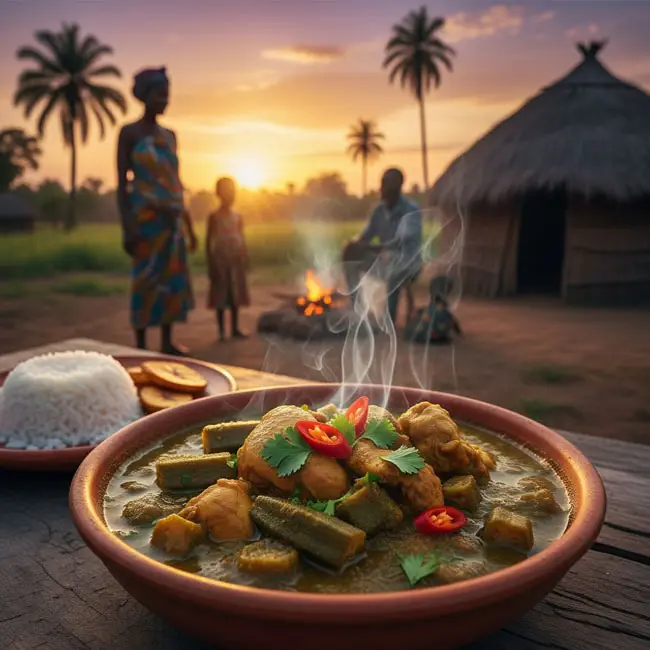
🔹 Recipe 1: Dongo-Dongo (The Okra Powerhouse Stew)
This is a classic Gabonese dish, often classified as both a soup and a sauce, and it’s a must-try for anyone who loves the unique texture and flavour of okra. Its name, in fact, is often cited as the root for the famous Louisiana dish, gumbo! It's super satisfying and deeply flavourful, often thanks to a hint of smoked fish and a touch of red palm oil.
About this Recipe
Dongo-Dongo is a hearty stew that features okra, which provides a lovely, slightly thick texture. We're keeping things simple by focusing on dried or smoked fish (if you can find it) for that authentic, umami depth, combined with onions, garlic, and a touch of maggi (bouillon cube) for seasoning. It’s an easy one-pot meal that really showcases the power of simple, earthy ingredients. Don’t be afraid of the "slimy" factor of okra—when cooked properly in this recipe, it creates a wonderful, velvety consistency that’s the sign of a successful Dongo-Dongo.
Ingredients & Measurements
Ingredient - Measurement - Notes
- Fresh or Frozen Okra, sliced 1.5 lbs (approx. 680g) Slicing them thin helps with the texture.
- Red Palm Oil 1/2 cup Essential for color and flavor; substitute with vegetable oil if necessary, but you’ll lose authenticity.
- Large Onion, diced 1
- Garlic, minced 3 cloves
- Smoked/Dried Fish (e.g., Catfish or Cod) 1 cup, flaked Soak and flake it first to remove bones/excess salt. Or use 1 cup smoked turkey/beef.
- Bouillon Cube (Maggi or Knorr) 1-2 cubes Crumbled. This is key for the savoury base.
- Hot Pepper (Scotch Bonnet or Habanero) 1 whole Optional, for heat. Do not cut if you don't want it spicy!
- Water or Fish Stock 4 cups
- Baking Soda (Bicarbonate of Soda) 1/2 tsp Optional, helps tenderize and cut the sliminess.
- Salt and Black Pepper To taste
Step-by-Step Instructions
1.Prep the Okra: Wash and slice the okra into small, thin rounds. Set aside. If using dried fish, soak it in hot water for about 15-20 minutes, then drain, debone, and flake it.
2.Sauté Aromatics: In a large pot or Dutch oven, heat the red palm oil over medium heat. Add the diced onion and cook until soft and translucent (about 5-7 minutes). Add the minced garlic and cook for 1 more minute until fragrant.
3.Build the Base: Stir in the crumbled bouillon cube(s). If using a whole pepper, add it now. Add the flaked smoked/dried fish (or meat). Cook for 5 minutes, allowing the flavors to meld.
4.Add the Okra: Stir in the sliced okra and the baking soda (if using). Cook for 5-10 minutes, stirring occasionally.
5.Simmer: Pour in the water or stock. Bring the mixture to a boil, then immediately reduce the heat to low. Cover the pot and let it simmer gently for 20-30 minutes, or until the okra is very tender and the stew has thickened nicely.
6.Adjust and Serve: Carefully remove the whole hot pepper (if used). Taste and adjust seasoning with salt and pepper. Serve hot, traditionally with starchy sides like Fufu, Rice, or Mashed Yams.
Tips & Mistakes to Avoid
- Tip for Texture: The baking soda is a small trick that helps the okra break down and lessens the sliminess (mucilage), resulting in a smoother, thicker stew. Don't skip it if you're sensitive to that texture!
- The Palm Oil: Red palm oil is crucial for the deep reddish-orange colour and signature taste. If you can't find it, substitute with half vegetable oil and half tomato paste for colour, but the flavour will be different.
- Don't Over-Stir: Once the okra is simmering in the liquid, stirring constantly will actually increase the sliminess. Stir gently and only when necessary.
- Safety First: If you use a whole scotch bonnet, remember to keep it intact to infuse flavour without extreme heat. Remove it before serving!
FAQ
1.Can I make Dongo-Dongo vegetarian?
Absolutely! Omit the fish and use vegetable stock and add mushrooms or eggplant for extra body. Increase the bouillon/salt for flavor.
2.Where can I find smoked fish?
Check African or international grocery stores. If unavailable, smoked turkey wings or drumsticks are a great substitute for a smoky flavor.
3.What should I serve it with?
The best pairing is a "swallow" food like Fufu (pounded cassava or plantain), Rice, or Banku, which are used to scoop up the stew.
Summary
Dongo-Dongo is a wonderfully satisfying introduction to Gabonese cuisine. It’s simple, economical, and delivers a profound, earthy flavour that makes it an immediate classic. It's comfort food at its best!
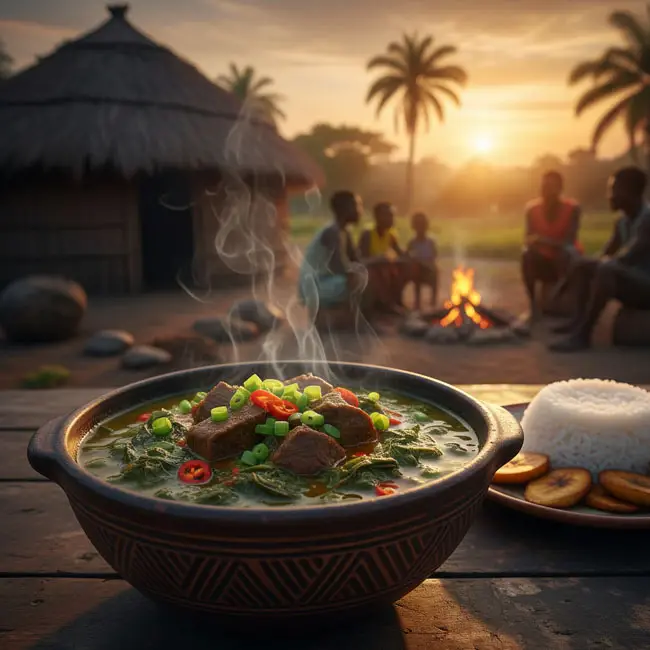
🔹 Recipe 2: Manioc Leaves Stew (Saka Saka or Pondu)
Moving on, let’s tackle a recipe that is a staple across much of Central Africa, and very popular in Gabon: Manioc Leaves Stew, also known as Saka Saka or Pondu. This stew is a powerhouse of nutrition and flavour, often featuring ground peanuts, which give it a creamy texture and nutty depth.
About this Recipe
Manioc leaves (or Cassava leaves) are the star here. They are finely pounded or chopped and slow-cooked until tender, resulting in a spinach-like green stew. The essential Gabonese twist is the addition of peanut butter (or groundnut paste) and often some smoky meat or fish, making it incredibly rich, creamy, and deeply savoury. It’s a wonderful example of how nutritious greens can be turned into a decadent, filling meal.
Ingredients & Measurements
Ingredient - Measurement - Notes
- Frozen Manioc/Cassava Leaves 2 lbs (approx. 900g) Thaw and squeeze out excess water. Fresh leaves require pounding/blending.
- Beef or Chicken Stock 6 cups Vegetable stock for a vegetarian version.
- Red Palm Oil 1/3 cup Or vegetable oil.
- Large Onion, diced 1
- Garlic, minced 4 cloves
- Natural Peanut Butter, unsweetened 1/2 cup The smoother the better; groundnut paste is ideal.
- Smoked or Dried Fish (optional) 1 cup, flaked Same prep as Dongo-Dongo.
- Cooked Beef or Smoked Turkey (optional) 1 lb, cubed For a heartier stew.
- Salt and Pepper To taste
Step-by-Step Instructions
1.Prepare the Leaves: If using frozen leaves, ensure they are thawed and you have squeezed out any excess water. If you're using fresh, you must either pound them into a paste or blend them with a little water until very finely chopped.
2.Sauté Aromatics: In a large, heavy-bottomed pot, heat the palm oil (or vegetable oil) over medium heat. Sauté the onion until soft (about 5 minutes). Add the garlic and cook until fragrant (1 minute).
3.Cook the Leaves: Add the manioc leaves to the pot. Stir well to coat them in the oil and aromatics. Cook for about 10 minutes.
4.Simmer: Pour in the stock. If using meat or fish, add it now. Bring to a boil, then reduce the heat to low. Cover and simmer for at least 45 minutes to 1 hour. Cassava leaves require a long cooking time to become tender and safe to eat.
5.Add Peanut Creaminess: After the long simmer, stir in the peanut butter until it is completely dissolved and the stew has a creamy, nutty look.
6.Finish and Serve: Continue to simmer for another 15 minutes, uncovered, to allow the stew to thicken. Taste and season generously with salt and pepper. Serve hot with Rice, Fufu, or Boiled Plantains.
Tips & Mistakes to Avoid
- Substitution is Key: If you absolutely cannot find manioc/cassava leaves, a decent substitute is very finely chopped or pureed frozen spinach, though the earthy flavour will be milder.
- Cook Time is Non-Negotiable: You must cook cassava leaves for a long time to ensure they are fully tenderized. Don't rush this step!
- The Peanut Butter: Use a natural, unsweetened, non-stabilized peanut butter or proper groundnut paste for the best result. The processed, sugary stuff won't give you the right flavour profile.
FAQ
1.Are cassava leaves safe to eat?
Yes, but only when cooked thoroughly. They contain small amounts of cyanide compounds that are eliminated by prolonged cooking and often by pounding/squeezing the leaves first.
2.Is this a soup or a stew?
Like Dongo-Dongo, it’s often considered a thick stew or sauce due to its rich, scoopable texture, designed to be eaten with a starch.
3.Can I use any type of meat?
Yes! Beef, goat, smoked turkey, or even shrimp are common additions and work beautifully.
Summary
Saka Saka is a truly unique, satisfying, and nutritious meal. It's the perfect recipe to expand your palate and impress your friends with an authentic, creamy, and deeply flavorful Gabonese staple.

🔹 Recipe 3: Classic Gabonese Chicken Soup (Bouillon Simple)
While Poulet à la Nyembwe (Chicken in Palm Nut Sauce) is Gabon's national dish, it can be a little complex for beginners. This Classic Gabonese Chicken Soup is a simpler, everyday-style bouillon—a clear, flavorful, spiced broth that is wonderfully warming and often served as a comforting meal.
About this Recipe
This is the ultimate comfort food, Gabonese style. It focuses on creating a very flavorful, clean broth (bouillon) by simmering chicken with a traditional blend of fresh spices and vegetables like ginger, garlic, and hot pepper. It's lighter than the stews but still incredibly satisfying, perfect for a cold evening or when you need a gentle but flavour-packed meal.
Ingredients & Measurements
Ingredient - Measurement - Notes
- Chicken Thighs or Drumsticks 1.5 lbs (approx. 680g) Bone-in, skin-on is best for flavour.
- Water or Chicken Stock 6-8 cups Enough to cover the chicken.
- Large Onion, roughly chopped 1
- Fresh Ginger, peeled and sliced 2-inch piece
- Garlic, smashed 4-5 cloves
- Carrots, sliced 2 large
- Celery stalks, sliced 2
- Bay Leaf 1
- Bouillon Cube (Maggi or Knorr) 1 Optional, but boosts flavor.
- Fresh Parsley, chopped 1/4 cup For garnish and fresh flavor.
- Salt and Black Pepper To taste
Step-by-Step Instructions
1.Sear the Chicken: In a large pot, heat a tablespoon of oil over medium-high heat. Brown the chicken pieces on all sides (about 3-4 minutes per side). Remove the chicken and set aside.
2.Sauté Aromatics: Add the chopped onion, ginger, and smashed garlic to the pot. Cook until the onion is soft and translucent (about 5 minutes).
3.Build the Bouillon: Return the chicken to the pot. Add the bay leaf, bouillon cube, and cover everything with water or stock. Bring to a boil, then immediately reduce the heat to low and skim any foam that rises to the top.
4.Simmer and Add Veggies: Cover the pot and simmer for 30 minutes. Add the carrots and celery and continue to simmer, covered, for another 15-20 minutes, or until the chicken is fork-tender and the vegetables are cooked through.
5.Final Touches: Remove the bay leaf. Taste the broth and adjust seasoning with salt and pepper. Stir in the fresh parsley right before serving. Serve hot, either in a bowl with the chicken and vegetables, or with rice or crusty bread on the side.
Tips & Mistakes to Avoid
- Go Bone-In: Using bone-in chicken is crucial here, as it adds depth and richness to the broth that boneless chicken just can't match.
- Don't Forget the Skimming: Skimming off the foam (impurities) during the initial simmer will ensure you have a clean, clear, and flavorful bouillon.
- For a Kick: If you like heat, add a few slices of scotch bonnet or a pinch of cayenne pepper with the water.
FAQ
1.Can I use beef instead of chicken?
Yes, you can make a similar simple beef bouillon, but you will need to increase the cooking time significantly (up to 2 hours) until the beef is tender.
2.What spices make it "Gabonese"?
The key is the simplicity and the generous use of fresh aromatics (ginger, garlic, onion) to create a clean, pungent broth base, often enhanced by the ubiquitous bouillon cube.
3.Is this eaten as a main meal?
Absolutely. Served with the meat, vegetables, and often a starchy side like rice, it's a complete and satisfying meal.
Summary
This Gabonese Chicken Soup is the perfect, straightforward recipe for those who want a taste of the region without needing complex ingredients. It’s warm, aromatic, and deeply satisfying—a true feel-good soup.
Final Thoughts
There you have it, friends! Three incredible recipes from Gabon that are much easier to make at home than you might have thought. We've journeyed from the thick, comforting texture of Dongo-Dongo, through the creamy, nutty richness of Saka Saka, and finally, ended with the clean, spiced warmth of a classic Gabonese Chicken Soup.
These recipes prove that you don't need a plane ticket to explore the rich, diverse, and incredibly delicious flavors of Central Africa. All you need is an open mind, a few common ingredients (and maybe a quick trip to an international market!), and the willingness to try something new.
Now it's your turn! Pick one of these three—maybe the Okra Stew first, or jump straight into the Cassava Leaves—and get cooking tonight.
Once you’ve made one, don’t be shy! We'd love to hear how your Gabonese culinary adventure went. Share your experience in the comments below! What did you pair it with? What was your favorite part? Happy cooking, and Bon Appétit!
| 🇬🇦 🍲 < Back |