
🏠 Home > 🗺️ Recipes > 🥪 Appetizers > 🇬🇦 Gabon Appetizers
🇬🇦 🥪 Gabon Appetizers Recipes
Published by Supakorn | Updated: February 2026
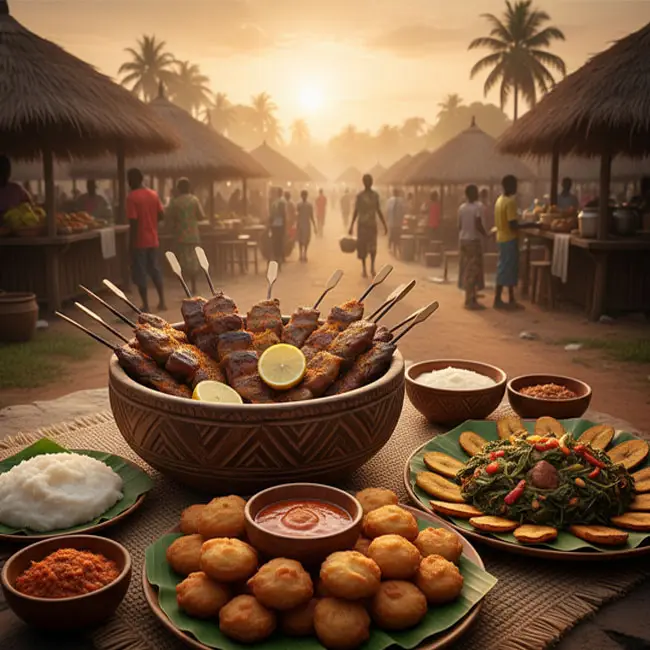
🌍 Your Culinary Guide to Central Africa’s Best Starters
Hey there, fellow food explorers! Have you ever thought about taking a flavor vacation to Central Africa? Specifically, to the beautiful, richly forested, and coastal nation of Gabon?
If you’re anything like me, the main courses often get all the glory, but the appetizers—those glorious little bites, snacks, and starters—are often the real soul of a country's cuisine. They’re the fast-food of the streets, the welcome bites in a home, and the perfect introduction to the local flavor profile. Gabonese cuisine is a stunning blend of indigenous Central African ingredients, coastal seafood abundance, and a distinct French colonial influence, creating a unique and delicious world of culinary artistry.
But when you search for "Gabonese appetizers," you might not find a neat list of five familiar items. Why? Because many of Gabon’s most popular starter-style foods blur the line between street food, side dish, and appetizer. They are simple, fresh, and often fried or grilled to perfection.
This is your ultimate, long-form guide to truly understanding the landscape of Gabonese starters. We're not just listing recipes; we're taking a journey into the vibrant food markets and street stalls of Libreville and Port-Gentil to uncover the authentic, mouth-watering secrets of Gabon street food snacks and traditional amuse-bouches.
Get ready to talk about everything from savory, smoky skewers to the most heavenly, fluffy deep-fried dough you'll ever encounter. Let's dive in!
🍲 Beyond the Basics: Understanding the Gabonese Appetizer Culture
Before we get to the recipes, let's set the scene. Gabonese meals, much like in many parts of Africa, often revolve around a hearty staple (like fufu or rice) paired with a delicious, rich sauce (nyembwe or saka-saka). Appetizers, therefore, serve a few key roles:
• Street Fuel: They are quick, cheap, and portable energy for people on the go. Think grilled skewers and simple fried snacks.
• Meal Enhancers: They act as complementary flavors and textures to the main meal—often vegetables, fritters, or simple, marinated fish.
• Cultural Fusion: They showcase the country’s unique blend of French and African traditions, a perfect example being the universally loved Gabonese Beignet.
If you’re planning to explore the authentic Gabonese cuisine, you need to think about dishes that are: portable, quick to prepare, heavy on local ingredients (cassava, plantains, fish), and often feature a kick of heat from local chili.
🇬🇦 The Spirit of "Terroir" in Gabonese Snacking
In Gabon, the concept of "local" isn't a trend; it's a way of life. When we talk about appetizers, we're talking about ingredients that traveled only a few miles from the forest or the sea to your plate. The lush rainforests provide an abundance of tubers like manioc (cassava), while the Atlantic coastline ensures that even a "light snack" might feature world-class seafood.
When you walk through a market in Gabon, the "appetizer" section isn't a refrigerated aisle—it's a sensory explosion. You'll see women fanning the flames of small charcoal grills and large cast-iron pots bubbling with golden oil. This is where the magic happens.
🍢 The Savory & Sweet Stars: Three Must-Try Gabonese Bites
When you walk down a Gabonese street as the sun begins to set, the air fills with the irresistible aroma of grilling meat and fish. Alternatively, mornings are often marked by the smell of hot oil and sweet dough. Here are the three undisputed champions of Gabon street food and starters that capture the essence of the country's cuisine:
1. 🥩 Brochettes: The Ubiquitous Gabonese Skewers (Savory)
The word Brochette is French, meaning "skewer," and these are a quintessential Gabonese street food. They’re simple, smoky, and absolutely addictive. If you're looking for an easy Gabonese appetizer, this is it.
• The Flavor Profile: Gabonese Brochettes are defined by the quality of the meat (often beef, goat, or chicken) and a robust marinade. This paste is often a mix of local spices, garlic, ginger, and frequently, a hit of the essential red pepper paste, Pili Pili, ensuring a fiery, flavorful crust when grilled.
• The Experience: Always grilled over hot coals, the meat develops a distinct smoky char. You’ll find them served simply on their own, perfect for an afternoon nibble, or with a dash of homemade Gabonese hot sauce.
2. 🥯 Beignets: The Fluffy French-African Doughnut (Sweet)
If you learn one thing about Gabonese snacks, let it be the Beignet. The African version, popular across Gabon due to the French influence, is its own distinct, heavenly creation. This is arguably the most famous and widely available Gabon sweet street food snack.
• The Secret Texture: Unlike the squares you might find elsewhere, the African Beignet is often scooped or poured in small, irregular shapes, resulting in fluffy, puffy, golden balls. The key is a soft, yeasted batter that rises beautifully.
• The Taste: They are deep-fried to a glorious golden brown, giving them a slight crispness on the outside while remaining incredibly soft and airy on the inside. They are typically served hot, dusted heavily with sugar, and pair perfectly with coffee or tea.
3. 🍌 Plantains (Aloko or Baked): The Versatile Banana Snack (Sweet/Savory)
The plantain is the undisputed king of starch in Gabonese cuisine. When prepared as a simple side, it functions perfectly as a starter or snack, showcasing the abundance of tropical fruit.
• Aloko (Fried Plantains): These are perfectly ripe plantains, sliced and deep-fried until they are golden-brown and caramelized. This natural sweetness is brought out by the heat and is often served with a touch of chili for a wonderful sweet and savory Gabonese appetizer.
• Baked Plantains: A healthier alternative, sometimes coated in breadcrumbs, they are baked until the center is soft and the exterior is slightly firm. Simple, fulfilling, and a great way to showcase the fruit's natural sugars, often replacing the common fufu or rice in a snack setting.
🌊 Beyond the Big Three: Other Essential Gabonese Appetizer Flavors
While Brochettes, Beignets, and Plantains are the headliners, a few other snacks and ingredients are crucial for understanding Gabonese food culture and its appetizers.
🐟 Poisson Braisé: The Essential Grilled Fish Snack
Given Gabon’s long coastline along the Atlantic Ocean, fish and seafood are staples. Smaller portions or fish types like sardines or mackerel become fantastic, flavorful appetizers or snacks, especially when sold by vendors on the beach or roadside.
• The Marine Flavor: Fresh fish is heavily marinated in a vibrant green paste of fresh parsley, cilantro, garlic, ginger, and lime. It is then expertly grilled over an open flame, resulting in a smoky, tender delicacy.
• The Serving: Served simply with a wedge of lime, it’s the definition of Gabonese coastal flavor. It's common to see friends sharing a large platter of small grilled fish as a social starter before a long night of conversation.
🧆 Akara (Fried Bean Fritters)
These savory, golden-brown bean cakes are a popular, protein-packed street food snack throughout the region. They are an excellent choice for those seeking Gabon vegetarian appetizers.
• The Base: Black-eyed peas are soaked, peeled, and blended into a smooth, light batter with onions, salt, and chili.
• The Function: Deep-fried until crispy on the outside and soft inside, Akara are traditionally served hot, often with a simple tomato-based sauce or chili paste, providing a satisfying, hearty bite.
🥑 Atanga (Bush Butter) Spread
This one is unique and definitely fits the bill for an intriguing, healthy, and authentic Gabon appetizer ingredient. Atanga (African plum) is a firm fruit that is simply boiled until the pulp softens.
• The Unique Taste: The cooked pulp is savory, slightly buttery, and earthy. It's earned the nickname "bush butter."
• The Serving: The most common way to enjoy Atanga as a snack or light starter is to spread the warm, buttery pulp directly onto a slice of fresh baguette—a perfect, simple nod to the French culinary influence.
🇫🇷 Cultural Context: The French-African Culinary Link in Appetizers
It's impossible to discuss Gabonese cuisine without acknowledging the powerful French influence, particularly in appetizers and snacks. The French colonial period introduced a culinary foundation that persists today, perfectly fusing with the local ingredients and techniques.
1.The Baguette: As mentioned with the Atanga spread, the baguette is not just a side; it’s an integral part of the snacking culture. Simple, fresh bread is the vehicle for many savory and sweet flavors.
2.Beignets & Brochettes: These two French terms and techniques—the fried dough and the skewered meat—were adopted and then completely localized, using native spices, flour blends, and cooking methods (like grilling over coals) to become uniquely Gabonese.
This fusion makes exploring Gabonese food culture so fascinating. It’s a cuisine that embraces foreign flavors and techniques but uses its lush environment—the cassava, the palm oil, the abundant fish, and the local spices—to create something entirely its own.
🏙️ Street Food Scenes: A Day in the Life of a Gabonese Taster
If you want to understand Gabonese appetizers, you have to imagine the environment where they are most alive. Let's walk through a typical day.
☀️ Morning: The Sweet Awakening
Early in the morning, the "Maman Beignets" are already at work. They sit behind large pots of bubbling oil, their hands moving with practiced speed to drop perfect portions of batter into the heat. You'll see school children and office workers lining up for a paper bag filled with hot, sugary beignets. It's the ultimate Gabonese breakfast-on-the-go, often paired with a simple cup of tea.
🕛 Midday: The Market Grazing
By noon, the focus shifts to more substantial snacks. This is when the Akara (bean fritters) and Boudin (though we won't go into detail on all meats) start appearing. The markets are bustling, and the smell of frying palm oil is everywhere. It's common to grab a small portion of fried yams or plantains to tide you over until the main afternoon meal.
🌙 Evening: The Charcoal Ritual
As the sun sets and the humidity starts to break, the "Brochettiers" set up their grills. This is the prime time for savory appetizers. The sound of sizzling meat and the sight of smoke rising into the night air are iconic parts of the Gabonese evening. This is a social time—people gather around the grills, waiting for their skewers of beef or chicken, chatting and laughing. This is where the appetizer truly becomes a communal experience.
🌿 The Role of Tropical Fruits as Starters
In many Western cultures, fruit is a dessert. In Gabon, it often functions as a refreshing appetizer or a savory-sweet snack.
🥭 Mangoes and Papayas
While often eaten fresh, they provide a necessary acidic and sweet contrast to the often heavy and oily snacks. You might see small plates of sliced fruit served alongside spicy fish or meat to help balance the palate.
🥥 Coconut
Fresh coconut water is the ultimate refresher, but the coconut meat itself is often shaved and served as a simple, crunchy nibble. It’s natural, healthy, and incredibly common in coastal areas like Port-Gentil.
🌽 Staple Ingredients: The Building Blocks of Every Bite
To truly appreciate these appetizers, you have to know what they are made of. Gabonese food is built on a few core "hero" ingredients:
• Manioc (Cassava): Whether it's the root itself or the leaves, manioc is everywhere. You'll find it boiled, fried, or pounded into various forms that often accompany appetizers.
• Palm Oil: The vibrant red color and distinct nutty flavor of many Gabonese snacks come from unrefined palm oil. It’s a nutritional powerhouse and a flavor signature of the region.
• Pili Pili (Chili): No savory appetizer is complete without it. This small but mighty chili is used to make the fiery sauces that Gabonese people love.
• Peanuts (Arachides): Peanuts are often ground into pastes for marinades or simply roasted and sold in small packets as a quick, protein-rich snack.
🥙 Tips for Bringing Gabon Appetizers to Your Kitchen
Are you feeling inspired to try some of these at home? While we aren't diving into the deep recipes just yet, here are some tips to get the authentic vibe right:
• Don't be afraid of the heat: If you're making a marinade for skewers, use fresh chili and garlic. The "kick" is part of the experience!
• Ripeness matters: For plantains, if you want them sweet (Aloko style), wait until the skin is almost entirely black. That’s when the sugars are at their peak.
• Freshness is King: Use the freshest fish and herbs you can find. Gabonese cooking relies on the natural flavor of the ingredients rather than heavy seasoning powders.
• The Right Oil: If you can find sustainably sourced red palm oil, try using it for frying. It will give your snacks an authentic color and earthy flavor that vegetable oil just can't match.
❓ FAQ: Your Quick Questions on Gabonese Appetizers Answered
1. What is the most famous street food snack in Gabon? 🥯
The most famous and widely consumed street food snack in Gabon is undoubtedly the Beignet. These light, fluffy, deep-fried dough balls (similar to a doughnut) are sold everywhere, from street stalls to markets, and are enjoyed as a quick breakfast, a mid-day snack, or a sweet finish to a meal.
2. Are Gabonese appetizers generally spicy? 🌶️
Many savory Gabonese appetizers and snacks, like Brochettes and Poisson Braisé (Grilled Fish), are traditionally served with or marinated in varying degrees of chili or hot pepper. The local pepper paste, Pili Pili, is very popular. However, the heat is often added by request or served on the side, meaning you can generally enjoy the rich, aromatic flavors without excessive spice if you prefer a milder taste.
3. Can I make healthy, traditional Gabonese appetizers? 🥗
Yes! While many snacks like Beignets and Akara are fried, there are great healthy options. Brochettes (grilled meat skewers) and small portions of Poisson Braisé (grilled fish) are lean and packed with protein and fresh aromatics (garlic, ginger, herbs). The use of the unique Atanga fruit spread on bread is also a simple, healthy, and authentic Gabonese starter.
4. Is Gabonese food vegetarian-friendly? 🥦
Surprisingly, yes! While meat and fish are popular, many appetizers are plant-based. Akara (bean fritters), fried or baked plantains, manioc snacks, and various fruit-based bites are all naturally vegetarian. Just be sure to ask if they were fried in the same oil as meat if you are a strict vegetarian.
5. What makes Gabonese appetizers different from other West African snacks? 🇬🇦
While there are similarities (like the love for plantains and beignets), Gabon’s unique French influence and its specific rainforest/coastal geography give it a distinct edge. The use of certain fruits like Atanga and the specific "Braisé" (charcoal grilling) techniques for seafood are very characteristic of Gabon.
🏁 Wrapping Up our Gabonese Flavor Tour
Exploring the appetizers of Gabon is like taking a deep dive into the heart of the country's culture. It’s a world where French sophistication meets African soul, where the forest meets the sea, and where every bite tells a story of tradition and community.
Whether it’s the smoky char of a Brochette, the pillowy sweetness of a Beignet, or the buttery earthiness of Atanga, these starters are more than just food—they are an invitation to experience the warmth and vibrancy of Gabonese life.
Stay tuned, because next time we might just get our hands messy with some actual step-by-step recipes so you can bring a taste of Libreville right into your own kitchen!
🥪 From Libreville to Your Kitchen: 3 Easy Gabon Appetizer Recipes for Beginner Home Cooks
👉 Experience 3 Authentic Gabon Appetizers
| 🌐 🥪 < Back | Next > 🍝 🇬🇦 |