
🏠 Home > 🗺️ Recipes > 🍲 Soups > 🇫🇯 Fiji Soups
🇫🇯 🍲 Fiji Soups Recipes
Published by Supakorn | Updated: February 2026
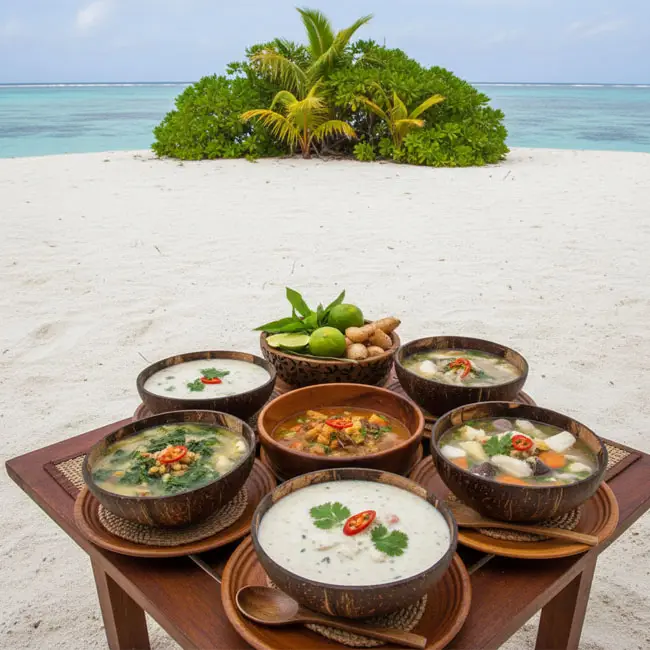
🇫🇯 🍲 Fiji Soups: A Warm Embrace from the South Pacific
Bula! Welcome back to our island food tour. If you thought Fiji was all about cold tropical drinks and fresh fruit, wait until you hear about their soups. In many parts of the world, soup is a starter or a side dish. But in Fiji? Soup is the heart of the home. It is the ultimate comfort food, the kind of meal that brings the whole family together under one roof while the rain patters on the tropical leaves outside.
Fijian soups are a masterclass in "clean eating" before it was even a trend. They are fresh, usually made with ingredients caught or harvested the very same day, and packed with nutrients that keep the islanders strong and healthy. Let’s take a deep dive into the steaming pots of the Pacific!
🌊 The Culture of the Cauldron: Why Soups Matter in Fiji
In Fiji, the kitchen is often a communal space. Cooking isn't a chore; it’s a social event. When a big pot of soup is simmering, it’s a signal that everyone is welcome. The culinary philosophy here is simple: use what the land and sea provide, and don't let anything go to waste.
🌿 The "Island Medicine"
Many Fijian soups are considered medicinal. If you have a cold, a headache, or you’re just feeling a bit "off," a Fijian mother or grandmother will likely hand you a bowl of hot fish broth or leafy green soup. The combination of fresh ginger, turmeric, chili, and nutrient-dense greens makes these soups a natural powerhouse of health.
🍲 The Communal Bowl
Eating in Fiji is rarely a formal, "plate-per-person" affair. Often, a large pot of soup is placed in the center of a woven mat (Bili), and everyone dips in with their own bowl. It’s accompanied by large pieces of boiled root crops like cassava, dalo (taro), or sweet potato. You don't just eat the soup; you "sop" it up with these hearty starches, making every drop count.
🐟 Must-Try Iconic Fiji Soups and Stews
The variety of soups in Fiji is staggering, ranging from light, clear broths to thick, creamy stews that feel more like a main meal. Here are the heavy hitters you need to know about.
🥥 Fish Soup with Coconut Cream (Ika Vakalolo)
This is arguably the most famous type of Fijian soup. "Ika" means fish, and "Vakalolo" refers to the method of cooking with coconut milk. Imagine fresh chunks of white fish—snapper or grouper—gently poached in a broth of thick coconut cream, flavored with onions, tomatoes, and chilies. It’s rich, velvety, and tastes like the ocean in the best possible way.
🍃 Rourou (Taro Leaf Soup)
If you see a vibrant, dark green soup on a Fijian table, it’s likely Rourou. This dish is made from the young, tender leaves of the dalo (taro) plant. The leaves are simmered for a long time in coconut milk until they become incredibly soft and creamy. It’s almost like a tropical version of creamed spinach, but with a deeper, earthier flavor. It’s often served with whole boiled dalo roots for a "double-dalo" feast!
🥣 Fish Head Soup (Ulu Ni Ika)
Now, don’t get squeamish! In Fiji, the head of the fish is considered the most flavorful part. Ulu Ni Ika is a clear, light broth made by simmering fish heads with ginger, garlic, lemon juice, and plenty of fresh herbs. It’s zesty, refreshing, and incredibly light. Locals love it because the bones and cartilage give the broth a silky texture that is pure magic for your joints and skin.
🦐 Lovo-Style Seafood Chowder
While traditional Lovo involves baking, the juices collected from seafood wrapped in banana leaves often form the base of an incredible "accidental" soup. When these juices are mixed with fresh coconut milk and lime juice, you get a seafood chowder that is smoky, salty, and sweet all at once.
🥬 The Essential Ingredients: From Reef to Root
What makes a Fiji soup taste like... well, Fiji? It’s all about the local "pantry."
🥥 Coconut Milk (Lolo)
You’ll notice a theme here! Coconut milk is the liquid gold of the Pacific. It provides the healthy fats and the creamy base for almost all traditional soups. It balances the heat of the chilies and the acidity of the citrus.
🍋 Fresh Citrus and Chilies
Fijians love a bit of a "kick." Fresh lime or lemon juice is almost always squeezed into the bowl just before eating to brighten the flavors. And the Bongo Chili—a small but mighty habanero-style pepper—is often served on the side so you can control your own heat level.
🍠 Root Crops (The "Bulk")
A soup isn't a meal in Fiji without Cassava or Dalo. These are boiled separately in salted water and served on a side platter. You take a piece of the root crop, dip it into the soup, and enjoy. It’s the island version of bread and butter!
🥘 Indo-Fijian Soups: A Spicy Fusion
Just like with desserts, the Indo-Fijian community has brought their own incredible soup traditions to the islands. This fusion has created some of the most flavorful broths you’ll ever taste.
• Dhal (Lentil Soup): This is a staple in almost every Indo-Fijian home. It’s made from yellow split peas simmered with turmeric, cumin, and garlic. In Fiji, it’s often made slightly thinner than Indian dhal, making it perfect for sipping as a soup or pouring over rice.
• Mutton or Goat Soup: Often prepared for special occasions, these are hearty, spicy soups flavored with "Fiji Curry Powder"—a unique blend of spices that is milder and more aromatic than traditional Indian blends.
• Chicken Long Soup: A testament to the Chinese-Fijian influence, this is a clear chicken broth with noodles and green onions. It’s the ultimate "feel-good" soup found in almost every "milk bar" (local takeaway shop) in Fiji.
🏠 Living and Eating the Fijian Way
To truly understand Fiji soups, you have to understand the pace of life. Things move slower here—a concept known as "Fiji Time."
🎣 The Morning Catch
In coastal villages, the soup of the day depends entirely on what the fishermen bring in at sunrise. If the tide was right for crabs, it’s crab soup. If they caught a large tuna, it’s tuna broth. This connection to the daily cycle of nature ensures that the food is always at its peak freshness.
🔥 Cooking Over Fire
While many modern homes have gas stoves, many families still prefer to cook their soups over an open wood fire in an outdoor kitchen (Vale ni kuro). The subtle smokiness from the wood fire infuses the coconut milk and the vegetables, giving the soup a depth of flavor that you simply can't get on a modern stove.
🌧️ Rain: The Perfect Excuse for Soup
Fiji is lush and green for a reason—it rains! There is a specific cultural joy in eating a piping hot bowl of fish soup while a tropical downpour hits the corrugated iron roof. It’s a sensory experience that every visitor should try to catch.
🌟 Why Fiji Soups Are a Nutritional Goldmine
If you’re looking for a way to eat healthier, taking a page out of the Fijian cookbook is a great start.
1.Hydration: In a hot climate, these light, salty broths are perfect for replenishing electrolytes.
2.Collagen Rich: Using fish heads and bones in broths provides a natural source of collagen.
3.Dairy-Free: Most creamy Fijian soups use coconut milk instead of dairy, making them perfect for those with lactose sensitivities.
4.Anti-Inflammatory: The heavy use of fresh ginger, garlic, and turmeric in these soups helps fight inflammation.
🥥 Tips for the Ultimate Fiji Soup Experience
• Don't skip the "Sides": Always eat your soup with a piece of boiled cassava or taro. The starch soaks up the broth and changes the whole experience.
• The "Squeeze" is Key: Always add a fresh squeeze of lime at the end. It cuts through the richness of the coconut milk and makes the flavors pop.
• Watch for Bones: Traditional Fijian fish soup often contains the whole fish (bones and all). Eat slowly and enjoy the process of picking the tender meat off the bone—it’s how the locals do it!
• Try Rourou at Least Once: It might look different because of the dark green color, but the creamy, earthy taste is something you’ll crave long after you leave the islands.
❓ FAQ: Common Questions About Fiji Soups
Q1. Is Fijian soup usually spicy?
It varies! The base soup is often mild and aromatic, but it is almost always served with fresh chilies on the side. You can crush the chili into your own bowl to make it as hot (or as mild) as you like.
Q2. Can I make these soups vegetarian?
Absolutely. While fish is the most common protein, Rourou (taro leaf soup) is naturally vegetarian (and often vegan). You can also find delicious pumpkin and ginger soups or lentil-based Dhals that are completely meat-free.
Q3. What is the difference between a soup and a "Vakalolo" dish?
A soup is usually thinner and meant to be sipped or eaten with a spoon. A "Vakalolo" dish is more of a thick stew where the coconut milk has been reduced until it’s creamy and coats the ingredients. Both are delicious, but the Vakalolo is much richer!
🍲 Turn Up the Heat: Authentic Spicy Soups from the Heart of Fiji
👉 Taste 3 Flavorful Fiji Soups
| 🌐 🍲 < Back | 🇫🇯 🍷 < Previous | Next > 🥗 🇫🇯 |