
🏠 Home > 🗺️ Recipes > 🍲 Soups > 🇩🇯 Djibouti Soups Recipes
🇩🇯 🍲 Authentic Djibouti Soups: Afar & Somali Harbor Style
Published by Supakorn | Updated: November 2026
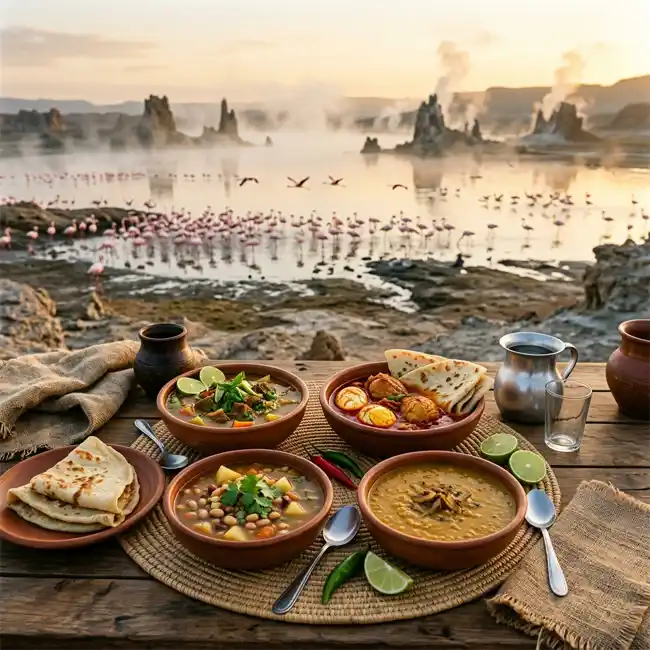
🕌🇩🇯 Introduction: The Cultural Heritage of Djibouti Soups
◦ Welcome to Djibouti, a tiny country with a huge flavor story sitting right where the Red Sea meets the Gulf of Aden.
◦ Djibouti soups are not just starters here, they are the warm-up to life itself, the first thing that hits the table when friends drop by, when family gathers after prayer, and when street vendors fire up their pots in the early evening.
◦ If you think soup is just a light appetizer, Djibouti will change your mind completely. Here, soup can be breakfast, lunch, a late-night snack, a healing bowl, and a celebration all in one.
◦ The country blends Afar, Somali, Yemeni, Ethiopian, French, and Indian influences, and you can taste every single one of them in a single spoonful.
◦ Djibouti City feels like a giant open-air kitchen. The air smells of cumin, cardamom, grilled meat, fresh flatbread, and simmering broth.
◦ What makes Djibouti soups truly special is their simplicity and soul. No fancy plating, no complicated rules. Just a deep pot, fresh ingredients, patience, and a lot of love.
◦ In this guide, we are going to walk through the iconic soups, the standout dishes, the eating culture, the must-visit food spots, and the flavors that make Djibouti a hidden gem for food travelers.
🍽️ The Art of Djibouti Dining Culture & Social Eating
◦ In Djibouti, eating is never a solo mission. Food is meant to be shared, talked over, laughed over, and lingered over.
◦ A typical meal starts with everyone washing hands, sitting close together, often on mats or low stools, and waiting for the big communal pot or tray to arrive.
◦ Soup is often served first in small bowls, alongside pieces of torn laxoox, a soft spongy pancake-like flatbread, or canjeero, perfect for scooping.
◦ There is no rush. People sip slowly, tear bread, dip, chat, and refill. The soup pot stays in the middle until everyone is truly full.
◦ Hospitality is everything in Djiboutian culture. If you are a guest, expect to be served first, offered the best piece, and encouraged to eat more, even when you say you are full.
◦ Saying no too quickly can feel impolite, so locals will smile and say, “Just a little more,” and somehow you always find room.
◦ Lunch is the biggest meal of the day, usually after midday prayer, and soup often opens the feast before rice, grilled meat, or pasta arrives.
◦ Dinner is lighter and more social, often eaten outdoors or at street stalls. A hot bowl of Maraq late at night is Djibouti’s version of comfort food.
◦ Tea culture is inseparable from soup culture. After a savory bowl, a small glass of spiced shaah, Djiboutian tea with cardamom and cinnamon, helps settle everything and keeps the conversation going.
◦ Women are often the keepers of soup recipes, passing down spice blends and techniques from mother to daughter, grandmother to granddaughter. Each family has its own secret twist.
◦ At weddings, Eid celebrations, and community gatherings, huge pots of soup are cooked early in the morning. The whole neighborhood knows when something special is simmering.
◦ Eating with your right hand is the norm, and using bread to scoop soup is not just allowed, it is expected. Forks are optional, fingers are part of the flavor.
◦ The social rule is simple: share what you have, eat together, and never let a guest leave hungry.
📍 Where Culture Meets Flavor: Iconic Food Tourism Spots
◦ Djibouti City Central Market, Marché Central: This is ground zero for soup lovers. Wander through spice stalls piled high with cumin, turmeric, berbere, and dried chilies, then follow the steam to small stalls serving fresh Maraq.
◦ Quartier 1 and Quartier 2: These lively old neighborhoods are packed with tiny family-run restaurants and street carts. This is where locals actually eat, not tourist traps.
◦ Rue de Marseille: A buzzing street where Yemeni-influenced restaurants serve lentil soups, bean soups, and meat broths with freshly baked bread straight from clay ovens.
◦ Port Area: Djibouti is a port city, so seafood soups here are legendary. Fishermen bring in the catch in the morning, and by lunchtime, small harbor eateries are serving light, tomato-based fish soups.
◦ Tadjoura: A beautiful coastal town across the Gulf of Tadjoura. The vibe is slower, the soups are more Afar-style, and the views of white buildings against turquoise water are unforgettable.
◦ Ali Sabieh: Inland and more traditional, this town is famous for hearty meat soups and camel milk culture. If you want to taste the desert side of Djibouti, this is the place.
◦ Dikhil: Close to the Ethiopian border, Dikhil blends Djiboutian and Ethiopian flavors. Expect spicier broths, more berbere, and a different style of flatbread.
◦ Obock: A historic port town with Yemeni and Afar roots. Its street food scene is small but powerful, especially for bean soups and grilled seafood served with broth.
◦ Lake Assal Area: The lowest point in Africa and one of the saltiest lakes on Earth. After a trip here, locals love to stop for a restorative hot soup and tea. It is the ultimate Djibouti food pilgrimage.
◦ Day Forest National Park: After hiking in this rare mountain forest, a warm bowl of soup at a nearby village stop feels like a reward you earned with every step.
◦ Pro Tip for Food Travelers: The best soups are rarely in fancy restaurants. Look for places with one big pot, a long queue of locals, and bread stacked high. That is your sign.
🏆 Top Iconic Djibouti Soups Specialties
Djibouti does not have hundreds of soups, it has a tight, proud lineup that locals perfect over a lifetime. Here are the must-try stars you will hear about again and again.
✦ 🍲 Maraq: The king of Djibouti soups. A rich, clear-to-golden meat broth made with lamb, goat, or beef, simmered for hours with onions, garlic, cumin, coriander, and cardamom. Served with rice, bread, or on its own. Every family claims their Maraq is the best, and honestly, they are all right.
✦ 🍲 Suugo Suqaar: A beloved Somali-Djiboutian soup-stew hybrid. Tiny cubes of beef or lamb cooked in a tomato, onion, and spice sauce until it becomes thick, savory, and perfect for scooping. Often served as a soupy topping over rice or with laxoox.
✦ 🍲 Maraq Digaag, Chicken Maraq: A lighter, golden chicken broth with turmeric, ginger, garlic, and a squeeze of lemon. This is the go-to comfort soup when someone feels tired or under the weather. Simple, healing, and deeply satisfying.
✦ 🍲 Maraq Kalluun, Fish Soup: A coastal favorite. Fresh red snapper, grouper, or tuna simmered in a light tomato and cumin broth with green chili and cilantro. Not heavy, not fishy, just fresh and bright. Best eaten near the harbor with extra lemon.
✦ 🍲 Shurbad Adas, Lentil Soup: A creamy, earthy lentil soup inspired by Yemeni and Arab traditions. Red lentils, onions, cumin, turmeric, and a drizzle of ghee on top. Often served for breakfast with bread. Pure comfort in a bowl.
✦ 🍲 Fuul, Fava Bean Soup: Thick, hearty fava beans mashed into a soupy stew with olive oil, lemon, cumin, and chopped tomatoes. A street food legend in Djibouti City, especially in the morning. Filling, affordable, and addictive.
✦ 🍲 Maraq Geel, Camel Meat Soup: A true Djibouti specialty you will not find everywhere. Camel meat is lean, slightly sweet, and simmered slowly until tender in a spiced broth. A must-try for adventurous eaters visiting Ali Sabieh or rural areas.
✦ 🍲 Bariis Maraq, Rice Soup: Not just rice in broth, but rice cooked directly in Maraq until it absorbs all the flavor. The result is a soupy, porridge-like dish that is both starter and main course. A family favorite on Fridays.
✦ 🍲 Suugo Baradho, Potato Soup: Soft potatoes simmered in a spiced tomato broth with carrots and green peppers. A humble home-style soup that kids love and grandmothers make best.
✦ 🍲 Maraq Khudaar, Vegetable Soup: A colorful mix of carrots, potatoes, cabbage, zucchini, and okra in a light cumin broth. Perfect for those who want something fresh, light, and plant-forward without losing Djiboutian soul.
✦ 🍲 Shorba: A general term for soup in Djibouti, often used for tomato-based or vermicelli soups with small pasta, chickpeas, and herbs. Every restaurant has its own version, and locals love to compare.
✦ 🍲 Maraq Laham Bil Khudra, Meat and Vegetable Soup: A celebration soup with big chunks of meat, potatoes, carrots, and turnips. Served at gatherings, weddings, and big Friday lunches. Hearty, generous, and made to feed a crowd.
🌶️ Flavor Profile: What Makes Djibouti Soups Unique?
◦ Warm, Not Just Hot: Djiboutian soups are spiced, not scorched. The heat comes from black pepper, green chili, and ginger, balanced by cumin, coriander, and cardamom.
◦ The Xawaash Effect: Xawaash is the signature Djiboutian spice blend, similar to garam masala but with its own twist. It usually includes cumin, coriander, turmeric, cardamom, black pepper, cloves, and cinnamon. One spoonful transforms a plain broth into something unforgettable.
◦ Fresh Herbs on Top: Cilantro, parsley, and sometimes fresh dill are added at the very end. They keep the soup bright and fresh, even when it has simmered for hours.
◦ Sour Balance: Lemon and lime are non-negotiable. A squeeze at the table cuts through richness and wakes up all the spices.
◦ Broth First, Everything Second: Djiboutians judge a soup by its broth. It should be clear but deep, light but full of flavor. If the broth is good, the soup is good.
◦ Bread Is Part of the Soup: Laxoox, canjeero, and Yemeni-style roti are not side dishes, they are tools. You tear, dip, scoop, and soak. The bread absorbs the broth and becomes part of the experience.
◦ Sweet Meets Savory: Thanks to Yemeni and Indian influence, you will often taste a hint of sweetness from caramelized onions, cinnamon, or even a touch of date in richer broths.
◦ Smoky and Earthy: Many soups are cooked over open fire or in heavy pots that add a subtle smoky depth you cannot replicate in a rush.
🧂 Essential Ingredients & Traditional Cooking Techniques
◦ Djibouti cooking is all about doing a few things perfectly. Fresh ingredients, patient simmering, and bold but balanced spices.
✨ Signature Spices & Local Ingredients
◦ Xawaash Spice Blend: The heart of Djibouti soups. Every family has a slightly different ratio, but cumin, coriander, cardamom, and black pepper are always there.
◦ Berbere: A fiery Ethiopian-influenced chili blend used in spicier soups, especially near Dikhil and the border areas.
◦ Turmeric: Gives chicken Maraq its golden color and earthy warmth. Also prized for its comforting, healing reputation.
◦ Garlic and Ginger: The base of almost every soup. Crushed fresh, never powdered if you can help it.
◦ Onions: Cooked low and slow until golden. They are the secret to a sweet, deep broth without adding sugar.
◦ Tomatoes: Fresh, ripe, and often blended. They give Suugo Suqaar and fish soups their signature tangy body.
◦ Fresh Cilantro and Parsley: Added generously at the end for color, freshness, and aroma.
◦ Lemons and Limes: Served on the side, squeezed generously. No Djibouti soup is complete without them.
◦ Ghee and Olive Oil: Ghee for richness in lentil and bean soups, olive oil for lighter vegetable and fish soups.
◦ Laxoox and Canjeero: Soft, spongy flatbreads made from wheat and sorghum flour. They are the ultimate soup companions.
◦ Camel Meat and Goat Meat: Lean, flavorful, and central to traditional Maraq. Goat is everyday, camel is special occasion.
◦ Fresh Fish: Red snapper, tuna, grouper, and kingfish from the Gulf of Aden. The fresher, the better.
◦ Lentils and Fava Beans: Affordable, filling, and deeply loved. The backbone of vegetarian soups and street food.
◦ Okra, Carrots, Potatoes, and Cabbage: The classic vegetable quartet in Djibouti home soups.
◦ Dates and Honey: Occasionally used in richer broths and always served alongside tea after soup.
👩🍳 Time-Honored Cooking Methods
◦ Slow Simmering: The golden rule. Meat soups simmer for 2 to 4 hours on low heat. No shortcuts. This is how you get that deep, clear, soulful broth.
◦ Blooming Spices in Oil: Spices are first fried briefly in hot ghee or oil to release their aroma before broth or tomatoes are added. This one step changes everything.
◦ One-Pot Cooking: Most Djibouti soups are made in a single large pot. Meat, onions, spices, and water go in, and patience does the rest.
◦ Hand-Torn Bread Serving: Bread is torn by hand, not sliced with a knife, to keep the texture soft and rustic. It is placed directly in the bowl or on the side for dipping.
◦ Clay Pot and Heavy Pot Cooking: Many street vendors still use heavy aluminum or clay pots that hold heat evenly and add depth to the broth.
◦ Open-Fire Cooking: In rural areas, soups are cooked over wood fire. The gentle smoke becomes part of the flavor.
◦ Layering Flavors: Onions first, then garlic and ginger, then spices, then tomatoes, then meat, then water. Each layer builds on the last.
◦ Resting the Soup: A good Maraq is often left to rest for 20 to 30 minutes before serving. The flavors settle, the fat rises to the top, and the broth becomes even richer.
◦ Family-Style Serving: Soup is ladled from a communal pot at the table, not pre-plated in the kitchen. Everyone sees the steam, smells the spices, and shares the moment.
🐫❓ Frequently Asked Questions (FAQ)
Q1: What is the most famous soup in Djibouti?
Maraq is hands down the most famous soup in Djibouti. It is a slow-simmered meat broth with cumin, cardamom, garlic, and coriander, served with rice or laxoox. If you try only one soup in Djibouti, make it Maraq.
Q2: Are Djibouti soups spicy?
They are warmly spiced, but not always fiery hot. Most soups use cumin, cardamom, and black pepper for warmth, with fresh chili served on the side. You can always ask for extra chili or keep it mild. Near the Ethiopian border, soups tend to be spicier thanks to berbere.
Q3: Are there vegetarian soups in Djibouti?
Yes, absolutely. Shurbad Adas lentil soup, Fuul fava bean soup, and Maraq Khudaar vegetable soup are all vegetarian-friendly and widely available at street stalls and family restaurants. They are hearty, affordable, and full of flavor without meat.
Q4: What bread is served with Djibouti soups?
Laxoox and canjeero are the stars. They are soft, spongy, slightly sour flatbreads perfect for scooping. Yemeni-style roti and French baguettes are also common in Djibouti City thanks to French influence. The rule is simple: if there is soup, there is bread.
🙏 Culinary Heritage & Credit to Djibouti Traditions
◦ Djibouti soups belong to the people of Djibouti, to Afar mothers, Somali grandmothers, Yemeni bakers, fishermen, street vendors, and home cooks who have kept these recipes alive for generations.
◦ This guide is a celebration, not a reinvention. We honor the original cooks, the spice traders, the port culture, and the communal table that makes Djiboutian food so special.
◦ If you visit Djibouti, eat where locals eat, ask about the family recipe, and say thank you in Somali, Afar, or French. A little respect goes a long way.
◦ And if you cook a Djibouti soup at home, remember: take your time, share it with someone you love, and always serve extra bread. That is the true Djibouti way
🍲 Creamy Djibouti Soups That Turn Picky Eaters Into Second-Helpings Fans
👉 Uncover Aromatic Djiboutian Soups
| 🌐 🍲 < Back | 🇩🇯 🍷 < Previous | Next > 🥗 🇩🇯 |