
🏠 Home > 🗺️ Recipes > 🍞 Breads > 🇩🇯 Djibouti Breads > 🍞 1.Djibouti Bread
🍞 Fluffy Homemade Djiboutian Bread Rolls: The Softest Base for Your Kids' School Sandwiches
Published by Supakorn | Updated: November 2026
🕌🏜️ Introduction: Discover Djibouti Bread, Authentic Djiboutian Comfort Food
Let's be honest: packing school lunches every morning can get old fast. Same sliced bread, same squished sandwich, same "Mom, I didn't finish it again." If that sounds like your kitchen, I have something fun for you. These soft homemade Djibouti bread rolls are pillowy, lightly sweet, and gently spiced with cardamom. They might just get your kids excited about lunchtime again.
Djibouti is a small country on the Horn of Africa, tucked between Ethiopia, Eritrea, and Somalia, right where the Red Sea meets the Gulf of Aden. It's tiny, but its food culture is surprisingly rich. Over centuries, Djiboutian cooking has been shaped by Afar and Somali traditions, Yemeni and Arab spice routes, Indian trade, and French bakery habits. The result is a cuisine where warm spices like cardamom, cumin, and cinnamon sit happily alongside soft breads, spongy flatbreads, and crusty loaves.
Travelers who visit Djibouti City often talk about the early-morning bakery smell drifting through the streets. Others remember spiced tea poured in cafés, and fresh bread torn and shared at almost every meal. Between trips to the otherworldly salt flats of Lake Assal, snorkeling with whale sharks in the Gulf of Tadjoura, and wandering lively markets, visitors quickly learn that bread is at the heart of daily life here.
This recipe takes inspiration from that tradition and turns it into something you can easily make at home. You get authentic Djiboutian flavors: cardamom, honey, nigella seeds, and a touch of ghee or butter. All of it goes into a soft, enriched roll that's perfect for slicing and filling. No special equipment, no hard-to-find ingredients, and no stress.
So roll up your sleeves, dust off your mixing bowl, and let's bake a batch together. Your lunchbox game is about to level up.
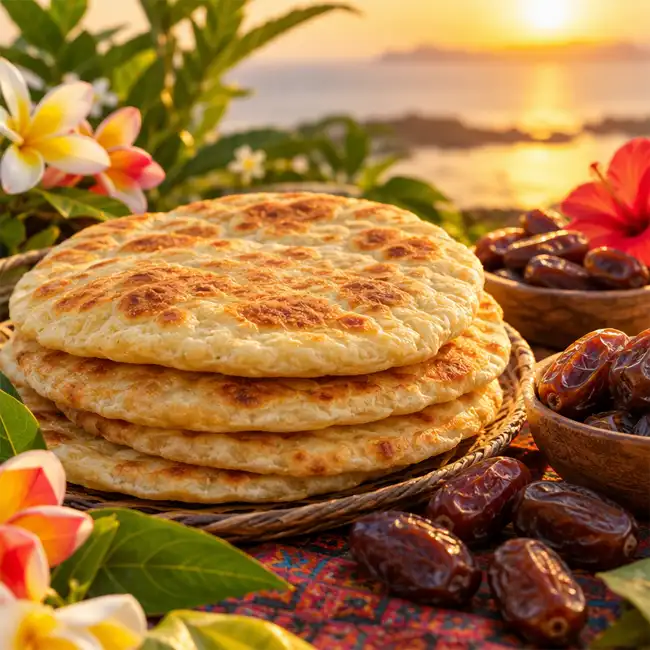
🍞 Authentic Djibouti Bread Recipe
📖 Culinary Background & Flavor Profile
Picture tearing open a warm roll and watching it stretch apart in soft, feathery strands. A sweet wave of cardamom hits you first, followed by the rich, buttery smell of fresh-baked dough. That's the magic of this Djiboutian-style milk bread.
In Djibouti, bread comes in many forms. There's lahoh (also called canjeero), a spongy, slightly tangy flatbread often eaten for breakfast. There are sweet, fluffy fried breads enjoyed with tea. And since French influence arrived in the 19th century, crusty baguettes have also been sold in bakeries across the capital. Our rolls sit somewhere in the middle. They have the soft, tender crumb of an enriched bread, the warm spice character of East African and Arabian baking, and enough structure to hold a sandwich together without falling apart.
Here's what makes these rolls special:
• Texture: Ultra-soft, fluffy, and slightly springy, with a thin golden crust that stays tender.
• Flavor: Mildly sweet from honey, fragrant from cardamom, and rich from butter or ghee.
• Topping: A sprinkle of nigella seeds and sesame seeds adds a gentle nutty, peppery crunch.
• Versatility: They're sweet enough to enjoy plain with tea but balanced enough for savory fillings like eggs, cheese, chicken, or tuna.
Kids love them because they're soft and a little sweet. Parents love them because they're homemade, wholesome, and stay fresh for days.
🧂 Essential Ingredients & Precise Measurements
Makes 10 soft sandwich rolls
✦ For the Dough:
◦ 500 g (about 4 cups) bread flour, or all-purpose flour for an even softer crumb
◦ 7 g (2¼ teaspoons, 1 packet) instant or active dry yeast
◦ 25 g (2 tablespoons) granulated sugar
◦ 1 tablespoon honey
◦ 6 g (1 teaspoon) fine salt
◦ ½ teaspoon ground cardamom
◦ 240 ml (1 cup) whole milk, warmed to about 40°C (104°F)
◦ 1 large egg, at room temperature
◦ 60 g (4 tablespoons) unsalted butter or ghee, softened
◦ 45 ml (3 tablespoons) warm water, adding only as needed
✦ For the Egg Wash:
◦ 1 egg yolk
◦ 1 tablespoon milk
✦ For the Topping:
◦ 1 teaspoon nigella seeds (also called black seed or black cumin)
◦ 1 teaspoon white sesame seeds
✦ For Finishing:
◦1 tablespoon melted butter or ghee, for brushing right after baking
✦ Optional Flavor Boosters:
◦ ¼ teaspoon ground cinnamon for a warmer spice note
◦ 1 teaspoon orange zest for a bright, fresh twist
👩🍳 Step-by-Step Cooking Instructions
1.Wake up the yeast. Pour the warm milk into a large mixing bowl. Stir in the sugar, honey, and yeast. Let it sit for 5 to 10 minutes until it turns foamy and smells pleasantly yeasty. (If you're using instant yeast, you can skip the wait, but this step confirms your yeast is alive.)
2.Add the egg and spice. Whisk the egg and ground cardamom into the yeasty milk until smooth.
3.Mix in the flour and salt. Add the flour and salt. Stir with a wooden spoon or spatula until a shaggy dough forms. If the dough feels very dry, add the warm water one tablespoon at a time.
4.Knead in the butter. Add the softened butter or ghee a little at a time, kneading after each addition. The dough will feel slippery at first. Keep going and it'll come together.
5.Knead until smooth and stretchy. Knead by hand for 10 to 12 minutes, or use a stand mixer with a dough hook on medium speed for 7 to 8 minutes. The dough is ready when it's smooth, slightly tacky, and stretches thin enough to let light through without tearing (the "windowpane test").
6.Let it rise. Shape the dough into a ball, place it in a lightly greased bowl, and cover with a damp towel or plastic wrap. Let it rise in a warm spot for 60 to 90 minutes, until roughly doubled in size.
7.Punch down and divide. Gently press the air out of the dough. Turn it onto a clean surface and divide it into 10 equal pieces, about 90 to 95 g each. A kitchen scale makes this super easy.
8.Shape the rolls. For round buns, tuck the edges of each piece underneath and roll it under your cupped palm into a tight, smooth ball. For hot-dog-style sandwich rolls, flatten each piece into an oval, roll it up tightly like a little log, and pinch the seam closed.
9.Arrange for the second rise. Place the rolls seam-side down on a parchment-lined baking sheet, leaving about 5 cm (2 inches) between them. Cover loosely and let them rise for 40 to 45 minutes, until puffy and soft to the touch.
10.Preheat the oven. While the rolls are rising, preheat your oven to 180°C (350°F).
11.Brush and sprinkle. Whisk together the egg yolk and milk. Gently brush it over each roll, then sprinkle with nigella and sesame seeds.
12.Bake until golden. Bake for 18 to 20 minutes, until the tops are deep golden brown and the bottoms sound hollow when tapped. If you have a thermometer, the inside should reach about 88 to 90°C (190 to 195°F).
13.Butter them up. As soon as the rolls come out, brush them with melted butter or ghee. This keeps the crust soft and gives them a beautiful shine.
14.Cool under a towel. Cover the rolls with a clean kitchen towel while they cool. The trapped steam keeps them extra soft, which is perfect for sandwiches the next morning.
💡 Chef's Pro Tips & Common Mistakes to Avoid
✦ Pro Tips for Bakery-Soft Results:
◦ Try the tangzhong trick for extra softness. Take 25 g of flour and 120 ml of the milk from the recipe and cook them in a small pan over low heat, stirring constantly, until it thickens into a paste. Let it cool, then add it with the rest of the liquids. This Asian bread technique locks in moisture and keeps rolls soft for days longer.
◦ Use freshly ground cardamom. Crushing a few green cardamom pods and grinding the seeds gives a much brighter, more authentic aroma than pre-ground powder.
◦ Ghee adds authentic depth. Ghee is widely used in Djiboutian and East African cooking. It adds a gentle nutty richness that butter alone can't quite match.
◦ Find a cozy rising spot. If your kitchen is cool, place the dough in an oven that's switched off, with just the light on, or next to a bowl of hot water.
◦ Weigh your flour. Scooping flour with a cup can pack in 20% more than you need, which leads to dense bread. A scale is your best friend.
✦ Common Mistakes to Avoid:
◦ Milk that's too hot. Liquid above roughly 50°C (122°F) can kill the yeast. It should feel comfortably warm, like a baby's bottle.
◦ Adding too much flour while kneading. Slightly tacky dough is good, and that's where the softness comes from. Resist the urge to keep dusting.
◦ Under-kneading. If you skip proper kneading, the rolls won't have the structure to rise high and fluffy. Do the windowpane test.
◦ Over-proofing the second rise. If the rolls look very puffy and collapse when touched, they've gone too far. Gently press a fingertip into the dough. If the dent springs back slowly, it's ready.
◦ Overbaking. An extra 5 minutes can turn soft rolls dry. Start checking at 16 minutes, especially if your oven runs hot.
◦ Slicing too soon. Cutting warm bread squashes the crumb. Let the rolls cool for at least 30 minutes before slicing.
🥪 Pairings & Serving Suggestions
These rolls are made for lunchboxes, but they're just as lovely at breakfast or teatime. Here are some easy, kid-approved ideas.
⭐ School Sandwich Fillings:
• Classic egg salad with a pinch of cumin and chopped fresh herbs
• Spiced chicken: shredded leftover chicken mixed with a little yogurt and mild spices, inspired by Djibouti's love of warm seasonings
• Tuna and cucumber with a light squeeze of lemon
• Cheese and tomato, simple and always a winner
• Hummus and grated carrot for a fresh vegetarian option
• Peanut butter and banana (check your school's nut policy first)
• Labneh or cream cheese with honey for a sweet treat
⭐ Perfect Drink Pairings:
• Djiboutian-style spiced tea (shaah): black tea simmered with milk, sugar, cardamom, cinnamon, and cloves, a beloved daily ritual
• Fresh mango or guava juice, popular across East Africa
• Cold milk or a banana smoothie for kids
• Mint lemonade for a refreshing lunchbox drink
⭐ Side Ideas:
• Fresh fruit slices like mango, oranges, or dates
• Crunchy cucumber and carrot sticks
• A small pot of yogurt with honey
For a weekend family meal, serve the rolls warm alongside a hearty stew or lentil dish. They're amazing for soaking up sauces.
🦒❓ Frequently Asked Questions (FAQ)
Q1: How long does homemade Djibouti bread stay fresh?
Stored in an airtight bag or container at room temperature, these rolls stay soft for 2 to 3 days. With the tangzhong method, they can last up to 4 days. Avoid the refrigerator, because it dries bread out faster.
Q2: Can I freeze these soft bread rolls for school lunches?
Yes, and it's a real time-saver. Freeze fully cooled rolls in a zip-top bag for up to 3 months. Take one out the night before, and it'll be thawed and soft by morning. You can also slice them before freezing for even quicker sandwich prep.
Q3: Can I make Djiboutian bread with whole wheat flour?
Absolutely. Swap up to half the bread flour for whole wheat flour. You may need an extra tablespoon or two of milk, and the rolls will be slightly denser but still deliciously soft.
Q4: Can I make this recipe dairy-free?
Yes. Use warm water or an unsweetened plant-based milk such as oat milk, and replace the butter with a neutral oil or plant-based butter. The rolls will still turn out soft and tasty.
Q5: Can I prepare the dough the night before?
Definitely. After kneading, cover the dough and refrigerate it overnight for 8 to 12 hours. In the morning, let it sit at room temperature for about 30 minutes, then shape, proof, and bake. The slow rise even deepens the flavor.
⏱️ Recipe Quick Summary
◦ Prep Time: 25 minutes
◦ Rising Time: 1 hour 45 minutes to 2 hours 15 minutes
◦ Cook Time: 18 to 20 minutes
◦ Total Time: About 2 hours 30 minutes to 3 hours
◦ Servings: 10 soft sandwich rolls
◦ Difficulty: Easy, and beginner-friendly
◦ Flavor Notes: Lightly sweet, buttery, cardamom-scented, with a nutty seed topping
✨ Final Thoughts & Kitchen Inspiration
Here's the thing: baking authentic international bread at home isn't nearly as intimidating as it sounds. With a handful of pantry ingredients, a little patience while the dough rises, and the simple steps above, you can bring a taste of Djibouti right into your kitchen and your kids' lunchboxes.
The best part is that this recipe is a starting point, not a strict rulebook. Love warm spices? Add a pinch of cinnamon. Want a brighter flavor? Grate in some orange zest. Prefer smaller bites? Shape mini slider buns for little hands. Make it your own.
Once you've tried these rolls, I'd love to hear how they turned out. Did your kids ask for seconds? Which fillings were the biggest hit? Share your experience in the comments, swap your favorite sandwich ideas, and pass this recipe along to a friend who could use a lunchbox refresh. Happy baking!
🏛️ Culinary Heritage & Cultural Credit to Djibouti
Every recipe carries a story, and this one owes its soul to the people of Djibouti and the wider Horn of Africa.
Djibouti's food traditions come mainly from its two largest communities, the Afar and the Somali (Issa) peoples. Their cooking was shaped by pastoral life, coastal trade, and generous hospitality. For centuries, the region's ports along the Gulf of Tadjoura and near the strait of Bab-el-Mandeb linked Africa with the Arabian Peninsula, India, and beyond. Along those trade routes came cardamom, cinnamon, cloves, and cumin, spices that are now inseparable from Djiboutian kitchens.
Yemeni and Arab culinary influence runs especially deep. It appears in the flatbreads, the sweet fried doughs, and the habit of perfuming food and tea with warm spices. Later, during the era of French administration, which ended when Djibouti became independent on 27 June 1977, bakery culture and the beloved baguette became part of everyday life too. Today, Djiboutian tables bring all of these influences together, with dishes like skoudehkaris (a spiced rice and meat dish often called the national dish), lahoh flatbread, and fragrant spiced tea.
This soft roll recipe is a home-friendly tribute to that layered heritage. It isn't meant to replace the traditional breads made by Djiboutian families and bakers. Instead, it celebrates their flavors and invites more people around the world to discover them. All credit goes to the home cooks, bakers, and generations of Djiboutian families who have kept these culinary traditions alive and shared them so warmly with the world.
Thank you, Djibouti, for the inspiration and for reminding us that good bread is always meant to be shared. 🇩🇯
| 🇩🇯 🍞 < Back |