
🏠 Home > 🗺️ Recipes > 🍱 Snacks > 🇩🇰 Denmark Snacks Recipes
🇩🇰 🍱 Authentic Denmark Snacks: Hygge Bites & Nordic Street Food
Published by Supakorn | Updated: November 2026
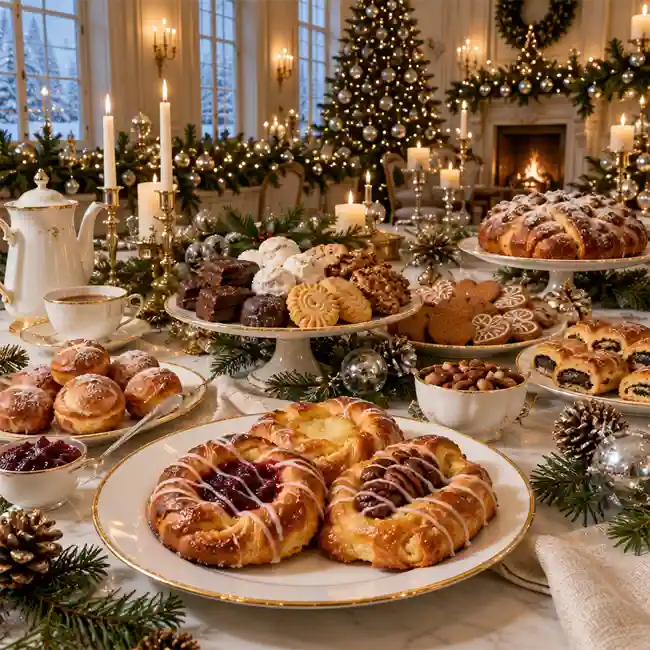
🧜♀️🇩🇰 Introduction: The Cultural Heritage of Denmark Snacks
When most travelers dream about Northern Europe, their minds immediately wander to fairy-tale castles, colorful waterfront harbors, and sleek Scandinavian design. Yet, if you ask any seasoned food lover who has wandered the cobblestone streets of Copenhagen or Aarhus, they will tell you that the true soul of the country lives in its everyday bites. Authentic Denmark snacks are not merely quick fixes for a rumbling stomach between sightseeing stops. Instead, they represent centuries of maritime history, agricultural pride, and an unshakeable devotion to living well.
To understand Danish snacking, you have to look at how the Danes view food as an extension of their landscape. Surrounded by the North Sea and the Baltic Sea, and blessed with rolling farmlands that produce world-class dairy, grains, and root vegetables, Denmark has mastered the art of turning humble, honest ingredients into unforgettable culinary experiences. Historically, long winters meant that preserving fish, curing meats, and baking dense, nutrient-rich breads were essential survival skills. Over generations, those practical traditions evolved into a vibrant, modern snack culture that balances rustic comfort with crisp, clean flavors.
Today, grabbing a bite in Denmark feels both deeply nostalgic and refreshingly contemporary. Whether you are standing by a bustling harbor kiosk watching ferries glide across the water or ducking into a cozy neighborhood bakery to escape a brisk coastal breeze, every morsel tells a story. It is a food culture built on quality over flashiness, where a simple piece of dark rye bread topped with freshly caught seafood or a warm, flaky pastry straight from the oven can stop you right in your tracks.
🕯️ The Art of Danish Dining Culture & Social Eating
If there is one word that unlocks the secret to Danish lifestyle and dining, it is hygge. While people around the globe often translate hygge as coziness, to a Dane, it is much more than lighting a few candles and pulling on woolen socks. Hygge is an intentional social atmosphere—a warm, unhurried sense of togetherness where everyone feels relaxed, welcome, and completely at ease. Food, and specifically sharing small bites and snacks, sits right at the very heart of this philosophy.
In Denmark, eating is rarely a rushed, solitary affair eaten hunched over a desk. Even a midday snack or an afternoon coffee break becomes a cherished ritual. Friends, families, and coworkers gather around wooden tables to share plates, pass around freshly baked goods, and catch up on life without checking their watches. There is a wonderful egalitarian spirit to Danish food culture; whether you are dining at a Michelin-starred establishment or standing elbow-to-elbow with locals at a neighborhood hot dog stand, everyone enjoys the same beloved classics with equal enthusiasm.
Furthermore, Danes have a deep respect for seasonal rhythms and mindful indulgence. Rather than mindless grazing all day long, snacking in Denmark is treated as a small celebration of the moment. Afternoon kaffe og kage (coffee and cake) is practically sacred, offering a joyful pause in the day to recharge and connect. Similarly, grabbing an open-faced sandwich or a savory street snack during a weekend stroll is about savoring the freshness of the ingredients and enjoying good company. There is no pretension, no overly complicated etiquette—just genuine hospitality served on a napkin or a ceramic plate.
🗺️ Where Culture Meets Flavor: Iconic Food Tourism Spots
Exploring Denmark through its snacks is like embarking on a treasure hunt where every region offers its own distinct culinary personality. Because Denmark is a nation of islands and peninsulas, geography plays a starring role in where the best local bites are born and enjoyed.
◦ Copenhagen’s Harbor & Street Food Markets: The Danish capital is an undisputed global epicenter for culinary innovation, yet its street food scene remains wonderfully grounded in tradition. Along the waterfront at Reffen or inside the glass halls of Torvehallerne, visitors can experience the ultimate clash of old and new. You can watch artisans slice dark rye bread for traditional open-faced creations right next to stalls serving modern, organic takes on classic street sausages.
◦ The Historic Streets of Aarhus: Over on the Jutland peninsula, Denmark’s second-largest city boasts a youthful, energetic vibe paired with deep historical roots. Wander through the Latin Quarter, where narrow lanes are lined with independent bakeries, artisanal cheesemongers, and cozy cafés. Here, afternoon snacking is an art form, with locals spilling onto outdoor terraces to enjoy warm pastries and savory tarts.
◦ Skagen and the Northern Coast: Where the Skagerrak and Kattegat seas collide at the very top of Denmark, the light is famous for inspiring painters—and the seafood is legendary. Visiting the harbors of Skagen or coastal towns along the North Sea introduces you to Denmark’s maritime snack heritage. Freshly landed shrimp, smoked herring, and crispy fish cakes are enjoyed right beside the fishing boats that brought them ashore.
◦ Funen (Fyn) – The Garden of Denmark: Nestled between Zealand and Jutland, the island of Funen is lush, fertile, and celebrated as the country’s orchard and pantry. Traveling through its charming villages and visiting Odense reveals a snack culture rich in local cheeses, sweet orchard fruits, and traditional brunsviger—a gooey, caramelized brown sugar cake that locals treat as an essential morning and afternoon snack.
◦ Bornholm – The Sunshine Island: Floating in the Baltic Sea, this rocky island has a microclimate and culinary identity all its own. Bornholm is famous across Scandinavia for its traditional smokehouses, where golden smoked herring is prepared over alder wood, as well as its artisanal licorice, crisp rye crackers, and handmade caramels.
🥪 Top Iconic Denmark Snacks Specialties
When you dive into the world of authentic Denmark snacks, you quickly realize that the country excels in both savory street food and refined bakery treats. Forget heavy, overly fried fast food; Danish snacks are all about contrasting textures, bright acidity, rich dairy, and deeply satisfying grains. Here are the absolute must-try specialties that define the Danish snacking landscape.
🌟 Pølser (Traditional Danish Hot Dogs): You simply cannot talk about Danish street food without tipping your hat to the legendary pølsevogn (sausage wagon). Dating back to 1921, these iconic street carts are cultural landmarks. A classic ristet hotdog features a snappy, spiced pork sausage tucked into a soft bun, crowned with a symphony of toppings: tangy remoulade, sweet ketchup, sharp mustard, raw diced onions, crispy roasted shallots (ristede løg), and thin slices of sweet-and-sour pickled cucumber. Another beloved variation is the fransk hotdog, where the sausage is slid inside a hollowed-out toasted baguette with creamy dressing.
🌟 Smørrebrød (Open-Faced Rye Bread Sandwiches): While often served as a sit-down lunch, smaller snack-sized portions of smørrebrød are the crown jewels of Danish culinary identity. Built upon a dense, sour, seed-packed slice of rugbrød (dark rye bread) generously spread with salted butter, these edible works of art come piled high with contrasting toppings. Favorites include hand-peeled Greenland shrimp with lemon and dill, crispy breaded plaice fillet with remoulade, or roast beef topped with grated horseradish and crispy onions.
🌟 Frikadeller (Pan-Fried Danish Meatballs): Every Danish family has their own closely guarded secret for making frikadeller, and they are just as popular eaten cold as a handheld afternoon snack as they are hot for dinner. Made from a blend of minced pork and veal, finely grated onions, milk, and flour, these oval-shaped patties are pan-fried in butter until they develop a deeply golden, caramelized crust while staying remarkably tender and juicy inside.
🌟 Flæskestegssandwich (Crispy Roast Pork Sandwich): If you are craving the ultimate hearty street snack, look no further than the flæskestegssandwich. Inspired by Denmark’s beloved Christmas roast, this indulgent handheld masterpiece packs thick slices of tender pork loin—complete with ultra-crunchy, salted pork crackling (svær)—into a soft brioche or sesame bun, layered with tangy braised red cabbage and crunchy pickled cucumbers.
🌟 Fiskefrikadeller (Savory Fish Cakes): Reflecting Denmark’s deep bond with the sea, fiskefrikadeller are light, flavorful fish patties made primarily from fresh cod and haddock mixed with herbs, onions, and a touch of cream. Pan-fried until golden brown, they are often enjoyed warm from a market stall with a squeeze of fresh lemon and a generous dollop of chunky remoulade.
🌟 Tarteletter (Crispy Puff Pastry Shells with Creamy Filling): Originally a celebratory starter, tarteletter have become a beloved comfort snack found in traditional cafés across the country. Delicate, flaky puff pastry cups are baked until crisp and filled to the brim with a velvety, savory velouté sauce loaded with tender shredded chicken and white asparagus, finished with a sprinkle of fresh parsley.
🌟 Spandauer & Kanelsnegle (Authentic Danish Pastries): Known internationally simply as "Danishes," what the Danes call wienerbrød (literally "Viennese bread") is a masterclass in laminated pastry. Two of the most iconic snack varieties are the Spandauer—a crisp, multi-layered square pastry filled with either vanilla custard or raspberry jam and drizzled with icing—and the kanelsnegl, a soft, aromatic cinnamon snail swirled with butter, sugar, and warm spice.
🌟 Æbleskiver (Fluffy Spherical Pancake Puffs): Especially popular during the autumn and winter months, æbleskiver are charming, golf-ball-sized pancake puffs cooked in a special dimpled pan. Light as air on the inside and delicately crisp on the outside, they are served warm and dusted generously with powdered sugar, accompanied by a side of tart strawberry or raspberry jam for dipping.
🌟 Lakrids (Gourmet Salty Licorice): To truly snack like a local, you have to embrace the Nordic obsession with licorice. Unlike the overly sweet candy found elsewhere, Danish lakrids spans a thrilling spectrum from intensely salty (salmiak) to gourmet creations coated in rich Belgian chocolate, passionfruit powder, or sea salt.
✨ Flavor Profile: What Makes Denmark Snacks Unique?
What sets authentic Denmark snacks apart from the rest of Europe is a brilliant culinary balancing act. While neighboring cuisines might rely heavily on fiery chili heat or dense, heavy sauces, Danish flavor profiles are built on harmony, contrast, and clean precision.
At the core of almost every savory Danish bite is the interplay between richness and acidity. Because traditional Nordic ingredients include rich butter, cured pork, creamy dressings, and oily fish like herring and mackerel, Danes instinctively pair them with bright, tangy counterweights. Pickled cucumbers, tart red cabbage, fresh lemon juice, capers, and sharp horseradish cut right through the richness, cleansing your palate with every single bite so you never feel weighed down.
Equally important is the obsession with texture. Danes rarely serve a dish that is entirely soft or entirely crunchy. Take a classic street hot dog or open-faced sandwich: you get the dense chew of whole-grain rye or a soft bun, the tender juiciness of meat or seafood, the velvety smoothness of remoulade, and—crucially—the audible crunch of crispy fried shallots (ristede løg) or crackling pork skin. Even in sweet snacks like wienerbrød, dozens of paper-thin, shatteringly crisp pastry layers give way to smooth vanilla custard or gooey marzipan. It is a sensory experience designed to delight both the palate and the ear.
🌾 Essential Ingredients & Traditional Cooking Techniques
To appreciate why Danish snacks taste so remarkably vibrant despite using relatively simple recipes, you have to look at the pantry staples and age-old methods behind them. Danish cuisine relies on letting top-tier raw ingredients shine without masking their natural character.
🌿 Signature Spices & Local Ingredients
◦ Rugbrød (Dark Sourdough Rye): This is the undisputed backbone of the Danish diet. Far denser and darker than American rye bread, authentic rugbrød is baked with sourdough starter, cracked rye kernels, sunflower seeds, flaxseeds, and malted flour, giving it an earthy, slightly tangy flavor and incredible staying power.
◦ Cultured Danish Butter & Dairy: Thanks to centuries of cooperative dairy farming, Danish butter, cream, and cheeses (like aged Vesterhavsost or creamy Danbo) are extraordinarily rich, slightly tangy, and velvety, forming the base of countless pastries and savory spreads.
◦ Remoulade: Forget plain mayonnaise; Denmark’s favorite condiment is a bright yellow, mildly tangy, herbaceous sauce packed with finely chopped pickled cauliflower, gherkins, capers, mustard, and a hint of turmeric and curry powder.
◦ Fresh & Pickled Aromatics: Fresh dill, chives, and curly parsley bring bursts of green freshness to seafood snacks, while freshly grated horseradish (peberrod) adds a clean, nasal-clearing kick that wakes up cold meats.
◦ Warm Baking Spices: In the bakery world, fragrant Ceylon cinnamon, freshly ground cardamom, and real Bourbon vanilla are used with a generous hand, infusing pastries and seasonal treats with cozy, aromatic warmth.
◦ North Sea & Baltic Seafood: Cold-water shrimp, herring, cod, plaice, and mackerel thrive in the chilly waters surrounding Denmark, yielding firm, sweet, clean-tasting flesh that requires minimal embellishment.
🔥 Time-Honored Cooking Methods
◦ Sourdough Fermentation & Slow Baking: Traditional rye breads are fermented slowly and baked at steady temperatures, developing complex natural acids that preserve the bread naturally while creating a deeply satisfying chew.
◦ Curing, Pickling & Cold-Smoking: Rooted in historical preservation methods, pickling vegetables in spiced vinegar brines and smoking fish over beechwood or alder wood chips remain essential techniques for building deep, layered umami and bright acidity.
◦ Lamination (Puff Pastry Folding): Danish bakers perfected the Viennese technique of folding cold butter into yeast-leavened dough dozens of times. When baked at high heat, the water in the butter turns to steam, lifting the dough into hundreds of crisp, golden, honeycombed layers.
◦ Butter Pan-Frying: Whether crisping up frikadeller, golden fish cakes, or breaded plaice fillets, Danes favor frying in a generous knob of foaming butter, which imparts a nutty aroma and creates an irresistible golden crust.
⛵❓ Frequently Asked Questions (FAQ)
Q1: What are the most famous street food snacks to try in Denmark?
The undisputed king of Danish street food is the traditional hot dog (ristet hotdog) from a local pølsevogn (sausage wagon), topped with remoulade, mustard, ketchup, pickled cucumbers, and crispy fried onions. Other iconic street snacks include the flæskestegssandwich (crispy roast pork sandwich with red cabbage), warm fiskefrikadeller (pan-fried fish cakes), and freshly made smørrebrød (open-faced rye bread sandwiches) from bustling markets like Copenhagen's Torvehallerne.
Q2: What makes Danish pastries different from pastries in other countries?
Authentic Danish pastries—known locally as wienerbrød—stand out because of their high butter-to-dough ratio and meticulous lamination technique, which creates up to 27 ultra-thin, shatteringly crisp layers. Unlike overly sweet commercial versions found abroad, traditional pastries in Denmark balance delicate flakiness with nuanced fillings like almond marzipan, real vanilla custard, tart raspberry jam, and freshly ground cardamom.
Q3: Are there vegetarian-friendly traditional snacks in Denmark?
Yes! While historic Danish cuisine leaned heavily on pork and seafood, modern Denmark offers plenty of traditional and contemporary vegetarian bites. You can easily enjoy open-faced smørrebrød topped with sliced new potatoes, chives, and crispy onions, aged Danish cheeses on dark rye with radishes, creamy mushroom tarteletter, warm æbleskiver pancake puffs with jam, and an endless variety of artisanal breads and pastries.
Q4: What is the best time of day to experience Danish snack culture?
Danish snacking revolves around two key daily rituals. Late morning through early afternoon (roughly 11:30 AM to 2:00 PM) is prime time for savory street food, sausage wagons, and open-faced rye sandwiches. Later in the day, around 3:00 PM to 4:30 PM, locals embrace kaffe og kage (coffee and cake), making it the ideal window to visit a neighborhood bakery for warm cinnamon rolls, Spandauer pastries, or a slice of gooey brunsviger.
🏆 Culinary Heritage & Credit to Denmark Traditions
Every bite of authentic Danish snack food carries the imprint of generations of bakers, fishermen, farmers, and home cooks who turned simple Nordic harvests into enduring culinary art. From the humble street vendors who kept the century-old pølsevogn tradition alive through rain and shine, to the master bakers waking before dawn to laminate dough by hand, Denmark’s snack culture thrives because of a deep respect for craft and community.
Rather than chasing fleeting food fads, Danish culinary heritage honors seasonal ingredients, sustainable fishing and farming practices, and the timeless joy of sharing good food with the people around you. Exploring these traditional snacks is more than just a delicious travel memory—it is a direct invitation to slow down, pull up a chair, and experience the warm, welcoming spirit of Denmark one unforgettable bite at a time.
🍱 Ultimate Scandinavian Low-Carb Bites: Authentic Danish Keto Snacks You Will Love
👉 Try Irresistible Danish Snacks
| 🌐 🍱 < Back | 🇩🇰 🍞 < Previous | Next > 🥘 🇩🇰 |