
🏠 Home > 🗺️ Recipes > 🥘 Sauces > 🇩🇰 Denmark Sauces > 🥘 1.Sugar-Free Denmark Sauces
🥘 Homemade Sugar-Free Danish Sauces: Quick, Classic & Packed with Nordic Flavor
Published by Supakorn | Updated: November 2026
🌶️🇩🇰 Introduction – Discover Sugar-Free Danish Sauces: Authentic Denmark Signature Sauce
Let's be honest: when people think about Danish food, they usually picture buttery pastries, open-faced rye sandwiches and maybe a plate of meatballs. But here's a little secret the locals know well. The real heart of Danish home cooking is the sauce. In Denmark, a plate of potatoes and meat isn't really finished until something creamy, tangy or rich gets poured over the top.
Walk through Copenhagen and you'll see it everywhere. Bright yellow remoulade gets squeezed over hot dogs at street stands. Families pour glossy brown gravy over frikadeller (Danish meatballs) at Sunday dinner. Old-school lunch restaurants serve crispy pork belly with a big jug of parsley sauce. Visitors try these sauces once and keep looking for them when they get home.
There's one catch, though. A lot of traditional Danish sauces contain more sugar than you'd expect. Store-bought remoulade often uses sweet pickles. Brown gravy is usually darkened with kulør, which is basically caramelized sugar, and sometimes it gets a spoonful of currant jelly too. Classic Danish mustard is famously sweet.
That's why I put this guide together. These are authentic Danish sauce recipes, adapted for a home kitchen with no added sugar. You still get the creamy, tangy, comforting flavors Danes grew up with, and you don't need special equipment or hard-to-find ingredients. Most of these sauces come together in 10 minutes or less.
So grab a whisk and a saucepan, and let's make four Danish classics together. Your potatoes are about to get a serious upgrade.
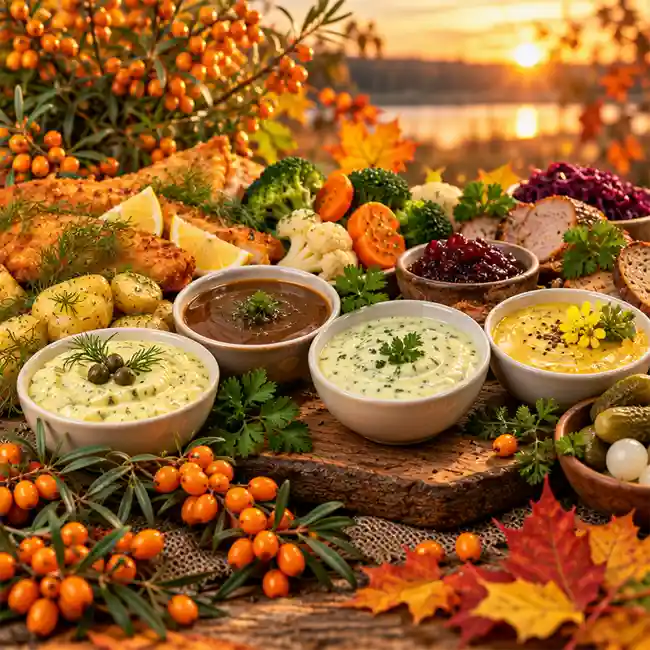
🥄 Authentic Sugar-Free Denmark Sauces Recipe
📖 Culinary Background & Flavor Profile
Danish sauces come from a cooking culture that's practical, seasonal and all about hygge, that warm, cozy feeling Danes love so much. Long winters meant hearty meals: boiled potatoes, pork, fish and root vegetables. Sauces brought brightness, richness and moisture to these simple ingredients.
Here are the four stars of this recipe collection:
✦ Remoulade: Creamy, tangy and a sunny yellow from curry powder and turmeric, with little crunchy bits of pickle and shallot in every spoonful. It's Denmark's go-to condiment for fries, hot dogs, fried fish and roast beef sandwiches.
✦ Brun Sovs (Brown Gravy): Deep, savory and velvety. It's the cozy blanket of Danish cooking and goes over meatballs, roast pork and boiled potatoes.
✦ Persillesovs (Parsley Sauce): A silky white sauce full of fresh, grassy parsley. It's mild and buttery, and the bright green flecks make it look as good as it tastes.
✦ Sennepssovs (Mustard Sauce): Creamy with a sharp, peppery mustard kick and a hint of dill. It's the classic partner for boiled or poached fish.
Without the sugar, these sauces actually taste cleaner. The tang of the pickles, the depth of the stock and the punch of the mustard come through more clearly. I think you'll be surprised how little you miss the sweetness.
🛒 Essential Ingredients & Precise Measurements
Each sauce makes about 4–6 servings. Always check labels on mayonnaise, mustard, pickles and stock, because sugar hides in all of them.
✦ 1. Sugar-Free Danish Remoulade
• Main Base:
◦ 1 cup (240 g) sugar-free mayonnaise
◦ 2 tablespoons (30 g) sour cream or plain unsweetened Greek yogurt
◦ 1/3 cup (50 g) finely chopped dill pickles (sour, not sweet)
◦ 1 small shallot, very finely minced (about 2 tablespoons)
◦ 2 tablespoons finely chopped cauliflower or cabbage (optional, for traditional crunch)
• Spices & Herbs:
◦ 1 teaspoon mild curry powder
◦ 1/4 teaspoon ground turmeric
◦ 1 tablespoon capers, finely chopped
◦ 1 tablespoon fresh dill or parsley, chopped (optional)
• Seasonings:
◦ 1 tablespoon pickle brine
◦ 1 teaspoon fresh lemon juice
◦ 1/2 teaspoon Dijon mustard (sugar-free)
◦ 1/4 teaspoon salt
◦ 1 pinch black pepper
◦ 1/2 teaspoon allulose or erythritol (optional, if you like a hint of the classic sweetness)
✦ 2. Sugar-Free Brun Sovs (Danish Brown Gravy)
• Main Base:
◦ 2 tablespoons (30 g) unsalted butter
◦ 2 tablespoons (16 g) all-purpose flour
◦ 2 cups (480 ml) beef or pork stock, unsweetened (pan juices work even better)
◦ 1/4 cup (60 ml) heavy cream
• Spices & Herbs:
◦ 1 bay leaf
◦ 1/4 teaspoon dried thyme
◦ 1/4 teaspoon freshly ground black pepper
• Seasonings:
◦ 1 teaspoon soy sauce (for color and depth instead of sugar-based browning)
◦ 1/4 teaspoon instant espresso powder (optional, for a deeper brown color)
◦ 1/2 teaspoon salt, adjusted to taste
◦ 1 teaspoon sugar-free lingonberry or redcurrant jam (optional)
✦ 3. Sugar-Free Persillesovs (Danish Parsley Sauce)
• Main Base:
◦ 2 tablespoons (30 g) unsalted butter
◦ 2 tablespoons (16 g) all-purpose flour
◦ 2 cups (480 ml) whole milk
• Spices & Herbs:
◦ 1 large bunch fresh curly or flat-leaf parsley, finely chopped (about 1 packed cup / 30 g)
◦ 1 small pinch ground nutmeg
◦ 1 pinch ground white pepper
• Seasonings:
◦ 1/2 teaspoon salt
◦ 1/2 teaspoon fresh lemon juice (optional, for brightness)
✦ 4. Sugar-Free Sennepssovs (Danish Mustard Sauce)
• Main Base:
◦ 2 tablespoons (30 g) unsalted butter
◦ 2 tablespoons (16 g) all-purpose flour
◦ 1 1/2 cups (360 ml) fish stock or whole milk (or half and half)
◦ 1/4 cup (60 ml) heavy cream
• Spices & Herbs:
◦ 2 tablespoons coarse-grain mustard (sugar-free)
◦ 1 tablespoon Dijon mustard (sugar-free)
◦ 1 tablespoon fresh dill, chopped
• Seasonings:
◦ 1 teaspoon fresh lemon juice
◦ 1/4 teaspoon salt
◦ 1 pinch ground white pepper
👩🍳 Step-by-Step Mixing & Preparation Instructions
🔸 Sugar-Free Danish Remoulade (about 5 minutes)
1.Finely chop the pickles, shallot, capers and cauliflower or cabbage if you're using it. Keep the pieces small and even so every spoonful gets a little crunch.
2.Put the chopped vegetables in a clean kitchen towel and squeeze out the extra liquid. This keeps your remoulade thick and creamy.
3.In a medium bowl, whisk together the mayonnaise, sour cream, curry powder and turmeric until the mixture turns an even golden yellow.
4.Stir in the chopped vegetables, capers and herbs.
5.Add the pickle brine, lemon juice, Dijon mustard, salt and pepper. Stir well.
6.Taste it. Add a little more brine for tang or curry for warmth, and the optional sweetener only if you really want it.
7.Cover and chill for at least 30 minutes if you can. It's good right away, but it's even better once the flavors have had time to mingle.
🔸 Sugar-Free Brun Sovs (about 10 minutes)
1.Melt the butter in a saucepan over medium heat until it foams.
2.Whisk in the flour and cook for 2–3 minutes, stirring constantly, until the roux turns a light hazelnut brown and smells toasty.
3.Slowly pour in the warm stock a little at a time, whisking hard after each addition so no lumps form.
4.Add the bay leaf, thyme and pepper. Let it simmer gently for 5 minutes, stirring now and then.
5.Stir in the soy sauce and espresso powder for a rich brown color.
6.Pour in the cream and simmer for 1 more minute.
7.Remove the bay leaf, add salt to taste and stir in the sugar-free jam if you're using it. Serve hot.
🔸 Sugar-Free Persillesovs (about 10 minutes)
1.Warm the milk in a small pot or the microwave until it's steaming but not boiling.
2.In a separate saucepan, melt the butter over medium-low heat.
3.Whisk in the flour and cook for 1–2 minutes. Keep the roux pale for this one; don't let it brown.
4.Gradually whisk in the warm milk until the sauce is smooth.
5.Simmer gently for 4–5 minutes, stirring often, until it coats the back of a spoon.
6.Season with salt, white pepper and nutmeg.
7.Take the pan off the heat before stirring in the chopped parsley. This keeps the parsley bright green and fresh-tasting.
8.Add a squeeze of lemon if you want a bit of brightness and serve right away.
🔸 Sugar-Free Sennepssovs (about 10 minutes)
1.Melt the butter in a saucepan over medium heat.
2.Whisk in the flour and cook for 1–2 minutes until smooth and pale.
3.Slowly add the warm fish stock or milk, whisking constantly.
4.Simmer for 3–4 minutes until slightly thickened.
5.Stir in the cream, then turn the heat to low.
6.Whisk in both mustards. Don't let the sauce boil after adding the mustard, because high heat can make it taste bitter.
7.Add the lemon juice, salt, white pepper and fresh dill. Taste, adjust and serve warm.
💡 Chef's Pro Tips & Common Mistakes to Avoid
⭐ Pro Tips:
◦ Warm your liquid first. Adding warm milk or stock to a hot roux is the easiest way to get a lump-free sauce.
◦ Use pan drippings for gravy. If you've just fried meatballs or roasted pork, make the brown gravy in the same pan. Those browned bits add a deep, savory flavor that no stock cube can match.
◦ Go heavy on the parsley. Danish parsley sauce should be green, not just speckled. When in doubt, add more.
◦ Let remoulade rest. An overnight chill turns good remoulade into great remoulade.
◦ Make your own mayo. Homemade mayonnaise with egg yolk, lemon, mustard and a neutral oil guarantees zero sugar and gives the remoulade a silky texture.
◦ Gluten-free swap. Replace the flour with 1 tablespoon cornstarch mixed into 2 tablespoons cold water, added at the end. For a low-carb version, thicken with a pinch of xanthan gum or reduce the cream a little longer.
⭐ Common Mistakes to Avoid:
◦ Using sweet pickles or sweet mustard. This is the number-one way sugar sneaks back in. Always read the label.
◦ Dumping in all the liquid at once. It almost always leads to lumps. Add it gradually and keep whisking.
◦ Burning the roux. For brown gravy you want toasty brown, not dark and smoky. If it smells burnt, start again.
◦ Boiling the parsley. Cooked too long, parsley turns dull olive-green and loses its fresh flavor.
◦ Overheating the mustard sauce. Mustard turns harsh and bitter if it boils.
◦ Skipping the taste test. Stocks and mustards vary a lot in saltiness, so always taste before you serve.
🍽️ Pairings & Serving Suggestions
These sauces are made for classic Danish comfort food, but they work with lots of everyday meals too:
• Remoulade: Crispy fries, hot dogs, breaded fish fillets, fish cakes, or thin slices of roast beef on dark rye bread topped with crispy fried onions and horseradish.
• Brun Sovs: Frikadeller with boiled new potatoes, roast pork with crackling, pan-fried pork chops, or mashed cauliflower for a lighter plate.
• Persillesovs: The legendary stegt flæsk med persillesovs (crispy pork belly with parsley sauce and potatoes). It's also lovely with poached salmon, ham or steamed vegetables.
• Sennepssovs: Boiled or poached cod, baked salmon, smoked fish, boiled eggs or roasted root vegetables.
Sides that complete the plate: Boiled potatoes with butter and dill, quick sugar-free pickled cucumbers (agurkesalat), red cabbage braised with apple cider vinegar, or a crisp green salad.
What to drink: Danes often have a hot pot of black tea or coffee with a cozy meal. Sparkling water with lemon and fresh mint cuts through creamy sauces nicely, and a cold herbal tea made with elderflower or chamomile adds a light Nordic touch without any added sugar.
🚢❓ Frequently Asked Questions (FAQ)
Q1: How long do homemade sugar-free Danish sauces last?
Remoulade keeps for 4–5 days in an airtight container in the fridge. Brown gravy, parsley sauce and mustard sauce keep for 2–3 days. Reheat cooked sauces gently over low heat with a splash of milk or stock to loosen them.
Q2: Can I freeze these sauces?
Brown gravy freezes well for up to 3 months. Parsley and mustard sauces can freeze too, though they may separate a little; whisk them well while reheating. Don't freeze remoulade, because mayonnaise-based sauces split when thawed.
Q3: What can I use instead of sugar in Danish sauces?
Most of the time you don't need a replacement at all. Acidity, herbs and good stock give plenty of flavor. If you miss a hint of sweetness, a tiny amount of allulose or erythritol works well, especially in remoulade.
Q4: Are these sauces keto or low-carb friendly?
The remoulade is naturally low-carb. For the cooked sauces, swap the flour for xanthan gum or reduce the cream to thicken, and use unsweetened almond milk or extra cream instead of whole milk in the parsley sauce.
⏱️ Recipe Quick Summary
• Prep Time: 10 minutes
• Cook Time: 15 minutes (5–10 minutes per cooked sauce)
• Total Time: about 25 minutes for all four sauces, or under 10 minutes for any single sauce
• Servings: 4–6 servings per sauce
• Difficulty: Easy
• Added Sugar: None
🌟 Final Thoughts & Kitchen Inspiration
If there's one thing I hope you take away from this guide, it's that making authentic Danish food at home is much easier than it sounds. You don't need a culinary degree or special imported ingredients. With butter, flour, a bit of stock or milk, fresh herbs and a good whisk, you can recreate the flavors Danish families have loved for generations.
Better still, making these sauces yourself means you know exactly what's in them. No hidden sugars, no artificial coloring and no mystery ingredients, just honest food that tastes the way it should.
Start with whichever sauce makes you hungriest. Maybe it's tangy remoulade for Friday-night fries, or a cozy pot of brown gravy over meatballs on a rainy Sunday. Once you've made one, I bet you'll want to try them all.
And make them your own. Add more mustard if you like heat, extra dill if you love herbs, or a little more curry in the remoulade for extra warmth. Once you understand the basic technique, you can tweak them however you like.
Tried one of these recipes? I'd love to hear how it went. Leave a comment with your favorite sauce, your own twists or what you served it with. If this guide helped you, share it with a friend who loves comfort food. Velbekomme! (That's Danish for "enjoy your meal!")
🏛️ Culinary Heritage & Cultural Credit to Denmark
Every one of these sauces carries a piece of Danish history, and it's worth giving them proper credit.
Remoulade started in France as rémoulade, a mayonnaise-based sauce with herbs and pickles. When it reached Denmark, Danish cooks made it their own by adding curry and turmeric for that golden color and chopped vegetables for crunch. Today it's so much a part of Danish life that many locals consider it a national condiment. You'll find it at nearly every hot dog stand (pølsevogn) and on countless smørrebrød sandwiches.
Brun sovs comes from the long tradition of Danish home cooking that peaked in the late 19th and early 20th centuries. Families made a little meat go a long way with plenty of potatoes and a generous gravy. It's still the centerpiece of countless family dinners and holiday meals.
Persillesovs has a special place in Danish hearts. In 2014, Danes voted stegt flæsk med persillesovs (crispy pork belly with parsley sauce) the national dish of Denmark in a public vote organized by the Danish Ministry of Food. It's a humble farmhouse meal that won a whole nation's affection.
Sennepssovs is closely tied to Danish fishing traditions and coastal life. Boiled cod with mustard sauce is a much-loved New Year's Eve tradition in many Danish homes, a simple, elegant way to celebrate the fresh fish of the North Sea and the Baltic.
These recipes exist thanks to generations of Danish home cooks, especially the grandmothers, farmhouse kitchens and small family restaurants that passed these flavors down by hand, without written recipes. The sugar-free versions here are a respectful modern adaptation for today's health-conscious kitchens. The roots, the techniques and the spirit of hygge behind every spoonful belong to Denmark. Tak, Danmark, for sharing your table with the world.
| 🇩🇰 🥘 < Back |