
🏠 Home > 🗺️ Recipes > 🍷 Drinks > 🇩🇰 Denmark Drinks Recipes
🇩🇰 🍷 Authentic Denmark Drinks: Hygge Cafes & Nordic Harvest Classics
Published by Supakorn | Updated: November 2026
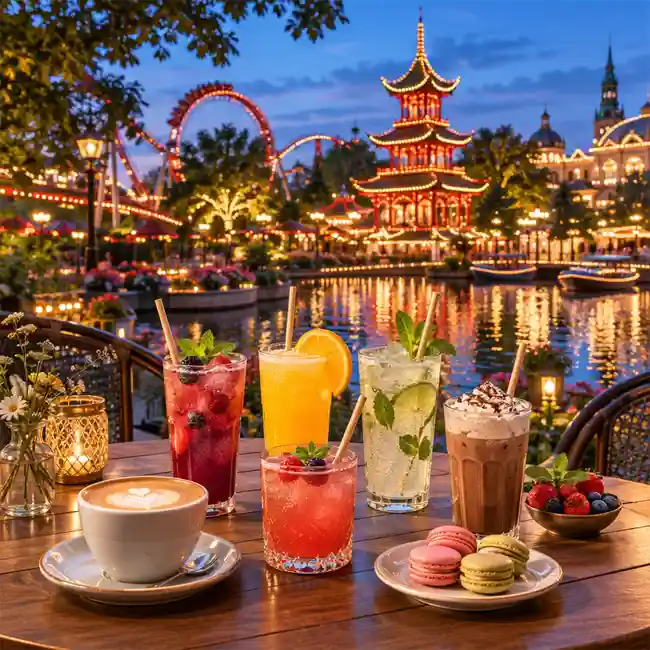
Have you ever wondered what locals in Copenhagen actually sip on while bundled up in cozy wool sweaters during a crisp autumn afternoon, or what refreshes them during long, sunlit Scandinavian summer evenings? When most travelers think about Danish gastronomy, their minds immediately jump to flaky pastries, open-faced rye sandwiches, and world-renowned New Nordic fine dining. Yet, the liquid side of Denmark’s culinary identity is just as rich, deeply comforting, and rooted in centuries of agricultural tradition. Exploring Denmark drinks is like opening a window into the Danish soul—a culture where slowing down, connecting with friends, and celebrating the changing seasons take center stage.
Whether you are strolling past the colorful waterfront houses of Nyhavn, browsing organic stalls in bustling urban food halls, or visiting family-owned orchards in the countryside, non-alcoholic beverages play a starring role in everyday Danish life. From wild-foraged botanical cordials and crisp orchard-pressed apple musts to some of the highest-quality specialty coffees on the planet, Denmark offers a remarkably diverse and wholesome beverage landscape. Best of all, you do not need to touch a single drop of alcohol to experience the true warmth and hospitality of this Nordic kingdom.
🌧️🌿 Introduction: The Cultural Heritage of Denmark Drinks
To truly appreciate traditional Danish beverages, you first have to understand the rhythm of life in Scandinavia. Denmark is a land shaped by dramatic seasonal shifts—long, dark winters that demand warmth and comfort, followed by bright, breezy summers bursting with berries, blossoms, and orchard fruits. Historically, Danish households relied heavily on preservation and foraging to make the most of their brief growing season. Families spent late spring gathering fragrant white flower clusters from wild elder trees and late summer pressing tart apples, redcurrants, and sea buckthorn berries into concentrated syrups and juices.
These homemade elixirs were never treated as mere afterthoughts. Instead, they became treasured pantry staples brought out to welcome guests, celebrate birthdays, and mark seasonal milestones. Over the decades, this heritage evolved seamlessly into modern Denmark’s thriving artisan beverage scene. Today, local cafes, farm shops, and contemporary Nordic restaurants honor those exact same roots—prioritizing organic ingredients, minimal processing, and pure, unadulterated flavors that reflect the surrounding landscape.
🕯️ The Art of Denmark Dining Culture & Social Eating
If there is one word that defines how Danes eat, drink, and socialize, it is hygge (pronounced "hoo-gah"). While often translated simply as "coziness," hygge is really about creating an atmosphere of warmth, safety, equality, and unhurried togetherness. Beverages are the absolute cornerstone of this daily ritual. In Denmark, inviting someone over for a drink rarely means rushing through a quick cup while checking your phone. It means lighting a few taper candles—even in the middle of the afternoon—setting out ceramic mugs or glassware, and lingering in conversation for hours.
◦ The Afternoon Kaffepause: Coffee breaks are practically sacred in Danish workplaces and homes. Sharing a freshly brewed pot of coffee alongside a slice of cardamom bun or dark chocolate is how colleagues bond and neighbors catch up.
◦ Family-Style Sunday Gatherings: On weekends, multi-generational families gather around long wooden tables where pitchers of chilled elderflower cordial or warm spiced berry juice sit right alongside platters of open-faced sandwiches (smørrebrød).
◦ Outdoor Udeservering Culture: The very moment the spring sun peeks through the clouds in Denmark, locals flock to sidewalk cafe tables. Wrapped in complimentary fleece blankets provided by the cafes, Danes happily sip steaming lattes or sparkling fruit juices outdoors while watching the world go by.
◦ Inclusive Hospitality: Modern Danish dining places tremendous value on making everyone at the table feel equally celebrated. Even at casual neighborhood bistros, non-alcoholic pairings—such as cold-pressed rhubarb juice or herbal infusions—are crafted with the same care and presentation as fine table pairings.
🗺️ Where Culture Meets Flavor: Iconic Food Tourism Spots
If you are planning a culinary journey through Denmark, certain cities, islands, and market halls stand out as absolute must-visits for beverage lovers. Each region offers its own distinct connection to local ingredients and cafe culture.
• Copenhagen’s Vesterbro and Nørrebro Neighborhoods: These vibrant, creative districts in the capital are the epicenter of Denmark’s third-wave coffee movement and craft soda scene. Walking down streets like Jægersborggade, you will find independent micro-roasteries, organic juice bars, and cozy corner cafes serving house-made botanical tonics.
• TorvehallerneKBH (Copenhagen): This iconic glass-and-steel food market near Nørreport Station is a paradise for tasting authentic Denmark drinks in one stop. Visitors can sample freshly pressed sea buckthorn shots, artisanal birch sap drinks, single-origin pour-over coffees, and traditional Danish hot chocolate.
• The Island of Funen (Fyn): Often affectionately called "Denmark’s Garden," Funen is famous for its rolling hills, historic manor houses, and lush fruit orchards. Exploring the countryside here means stopping at charming roadside farm stands to buy freshly pressed æblemost (unfiltered apple juice) straight from the growers.
• Aarhus Latin Quarter: Denmark’s second-largest city boasts a youthful, energetic cafe culture centered around its cobblestone Latin Quarter. Here, historic timber-framed buildings house bustling espresso bars and tea shops where students and locals gather from morning until night.
• Bornholm in the Baltic Sea: Known as the "Sunshine Island" due to its milder microclimate, Bornholm is celebrated for artisan food producers making small-batch berry syrups, organic herbal teas, and wild-foraged sea buckthorn beverages.
🥤 Top Iconic Denmark Drinks Specialties
When exploring menus across Denmark, knowing the local names of classic beverages will help you order like a true Copenhagener. Below are the most beloved, iconic non-alcoholic specialties that define the Danish drinking experience.
⭐ Hyldeblomstsaft (Danish Elderflower Cordial): Arguably the quintessential taste of a Danish summer, hyldeblomstsaft is a fragrant, golden syrup made by steeping fresh wild elderflower blossoms with lemon slices and sugar. Diluted with still or sparkling cold water and served over ice, it delivers a floral, honeyed, and delightfully citrusy refreshment that appears at nearly every Danish picnic and garden party.
⭐ Dansk Varm Chokolade med Flødeskum (Danish Hot Chocolate with Whipped Cream): Forget watery instant cocoa packets. Traditional Danish hot chocolate is famously rich, velvety, and indulgent—often made by melting real dark Danish chocolate directly into warm whole milk. It is invariably crowned with a generous, unsweetened dollop of freshly whipped cream (flødeskum), creating a luxurious contrast between bitter-sweet warmth and cool, airy cream.
⭐ Nordisk Filterkaffe (Nordic Light-Roast Filter Coffee): Denmark consistently ranks among the top coffee-consuming nations per capita in the world, and Danes take their daily brew seriously. Unlike dark, bitter roasts found elsewhere, authentic Danish coffee leans toward light-to-medium roasts that highlight bright, fruity, and floral notes in the beans. Whether brewed as a classic drip filter coffee or a precision pour-over, it is typically enjoyed black or with just a splash of fresh organic milk.
⭐ Æblemost (Unfiltered Danish Apple Must): Because Denmark’s cool northern climate allows apples to ripen slowly, Danish apples develop an extraordinary balance of natural sweetness and crisp acidity. Æblemost is cloudy, freshly pressed, unfiltered apple juice made from heirloom varieties like Ingrid Marie, Discovery, and Cox Orange. Every bottle tastes distinctly of the orchard it came from.
⭐ Hybensuppe & Hybensaft (Rosehip Drink): Wild rosehips grow abundantly along Denmark’s windswept coastlines and hedgerows. Transformed into a smooth, tangy fruit drink or warm winter nectar, rosehip beverages are packed with natural vitamin C and offer a subtly tart, apricot-like flavor that warms you right up after a brisk coastal walk.
⭐ Rabarbersaft (Sweet-Tart Rhubarb Cordial): Rhubarb thrives in Danish backyard gardens every spring. Rabarbersaft captures that unmistakable ruby-pink color and lip-smacking sweet-and-sour zing. Mixed with sparkling mineral water, it serves as one of the most popular alcohol-free dinner companions in contemporary Danish restaurants.
⭐ Koldskål (Chilled Buttermilk & Vanilla Drinkable Treat): While technically straddling the line between a refreshing summer beverage and a light spoonable treat, koldskål is a beloved warm-weather staple across every Danish household. Made from buttermilk, yogurt or eggs, lemon juice, and real vanilla, it is poured into bowls or tall glasses and enjoyed on sunny afternoons for a creamy, tangy, citrus-kissed cool-down.
⭐ Havtorn Juice (Nordic Sea Buckthorn Elixir): Often called the "passionfruit of the North," bright orange sea buckthorn berries grow wild along Danish sand dunes. Pressed into vibrant, zesty juices or blended with apple and carrot, havtorn drinks deliver an electrifying burst of tropical-citrus tartness that awakens the palate immediately.
⭐ Solbærsaft (Blackcurrant Cordial): Deep purple, bold, and wonderfully aromatic, blackcurrant cordial is a nostalgic childhood favorite across Scandinavia. Served chilled on hot days or steeped with hot water during winter colds, solbærsaft offers an earthy, jammy berry richness that feels both comforting and invigorating.
⭐ Dansk Økologisk Sodavand (Artisanal Danish Craft Sodas): Denmark has a longstanding love affair with bottled sodas—locally called sodavand—and modern Danish makers have elevated them into gourmet territory. Instead of artificial flavors, Danish craft sodas feature real organic fruits, spruce tips, ginger, lingonberries, and elderflower with delicate, champagne-like carbonation.
✨ Flavor Profile: What Makes Denmark Drinks Unique?
If you had to sum up the flavor philosophy behind Denmark drinks in three words, they would be clean, balanced, and seasonal. Unlike beverage cultures that rely heavily on intense spices, heavy syrups, or artificial sweetness, Danish drinks celebrate the pure, honest character of northern ingredients.
◦ Bright Acidity Meets Gentle Sweetness: Because Scandinavian summers have long daylight hours paired with cool temperatures, Nordic fruits and berries develop higher natural acidity alongside delicate sugars. As a result, Danish juices and cordials rarely taste cloying; instead, they have a crisp, mouthwatering tartness that keeps every sip refreshing.
◦ Floral and Botanical Subtlety: Rather than overpowering the senses, ingredients like elderflower, birch sap, chamomile, and wild herbs bring whisper-light aromatic complexity. You taste the meadow, the forest, and the orchard in every glass.
◦ Pure, Unmasked Dairy and Coffee Notes: Denmark’s world-famous dairy farming heritage means milk, buttermilk, and cream taste remarkably fresh and clean. Meanwhile, Nordic coffee roasting deliberately avoids burning away the bean’s natural terroir, letting delicate berry, stone-fruit, and nutty notes shine through clearly.
🌱 Essential Ingredients & Traditional Preparation Techniques
Behind every memorable glass of Danish cordial, freshly brewed cup of coffee, or orchard juice lies a deep respect for raw materials and time-tested craftsmanship. Understanding these foundational elements reveals why even the simplest Danish beverage tastes extraordinary.
🧺 Signature Botanicals & Local Ingredients
Denmark’s landscape—a patchwork of fertile farmland, beech forests, and miles of coastline—provides a distinctive pantry of natural ingredients used across both home kitchens and artisan producers.
◦ Wild Elderflower (Hyldeblomst): Harvested during a brief two-to-three-week window in June when the white, lacy blossoms are at peak fragrance, elderflower is the undisputed star of Danish botanical beverages.
◦ Heirloom Nordic Apples: Varieties bred specifically for cool northern climates bring complex aromatics, crisp snap, and natural brightness to fresh æblemost.
◦ Coastal Sea Buckthorn (Havtorn): These resilient, bright-orange berries thrive in salty sea air and sandy soil, yielding a juice prized by top Nordic chefs for its intense citrusy punch.
◦ Tart Red & Black Currants (Ribs and Solbær): Backyard staples across Denmark, currants provide deep ruby color, natural tannins, and vibrant berry acidity.
◦ Garden Rhubarb (Rabarber): Early spring crimson stalks bring unmistakable tartness and a gorgeous blush hue to sparkling cordials and syrups.
◦ Organic Danish Dairy: Pasture-raised milk, cultured buttermilk (kærnemælk), and rich whipping cream form the velvety backbone of cozy winter cocoa and summer koldskål.
◦ Pristine Soft Groundwater: Much of Denmark’s tap and mineral water filters naturally through underground chalk and limestone layers, giving local water a clean, crisp mineral balance that enhances both coffee brewing and fruit cordials.
🏺 Time-Honored Preparation Methods
Even without complex industrial equipment, traditional Danish beverage-making relies on gentle, patient techniques designed to protect delicate aromas and nutrients.
◦ Cold-Maceration & Slow Infusion (Saftfremstilling): When making classic hyldeblomstsaft or herbal syrups, blossoms and citrus are gently steeped in water rather than boiled aggressively. This slow extraction captures volatile floral oils without introducing bitterness from stems or rinds.
◦ Cold-Pressing Orchard Fruits: Traditional Danish cideries and juice makers wash, mill, and cold-press whole apples without adding water, sugar, or artificial preservatives, bottling the cloudy nectar fresh so the natural fruit sediment carries maximum flavor.
◦ Nordic Light-Roast Profiling: Danish specialty coffee roasters apply precise, shorter roasting curves that stop just after the first crack of the coffee bean. This prevents smoky carbon flavors from masking the coffee’s natural sweetness and acidity.
◦ Gentle Stovetop Melting for Cocoa: Rather than whisking dry cocoa powder into boiling liquid, classic Danish cafes slowly melt chopped high-percentage dark chocolate into warm milk, creating an emulsion that coats the palate smoothly.
◦ Cultured Dairy Blending: For summer classics like koldskål, gently whisking cultured buttermilk with fermented milk products and aromatic vanilla pods creates a naturally probiotic, refreshing beverage without heavy cooking.
🧜♀️❓ Frequently Asked Questions (FAQ)
Q1: What is the most famous traditional non-alcoholic drink in Denmark?
Hyldeblomstsaft (Danish elderflower cordial) is widely considered Denmark’s most iconic traditional non-alcoholic drink. Made from wild elderflower blossoms, lemons, and sugar, it is diluted with still or sparkling water and enjoyed throughout spring and summer at picnics, family dinners, and cafes nationwide.
Q2: Why is coffee so important in Danish culture?
Coffee is central to Denmark’s social fabric and the daily practice of hygge. Denmark ranks among the top coffee-drinking countries in the world, famous for pioneering the "Nordic roast"—a light-roast style that highlights clean, fruity, and floral bean flavors rather than bitterness. Sharing coffee is the primary way Danes take breaks, welcome guests, and socialize.
Q3: Is tap water safe and good to drink in Denmark?
Yes, tap water in Denmark is exceptionally safe, clean, and delicious. Almost 100% of Denmark’s drinking water comes from naturally filtered groundwater aquifers rather than surface reservoirs, meaning it requires minimal treatment and tastes crisp straight from the faucet—making bottled still water largely unnecessary when traveling there.
Q4: What is Danish koldskål, and is it a drink or a dessert?
Koldskål is a beloved traditional Danish summer specialty made from cultured buttermilk, vanilla, lemon, and dairy. It sits happily between a thick, refreshing cold drink and a light afternoon treat. Danes typically pour it into bowls or tall glasses on warm sunny days and top it with crunchy spiced biscuits called kammerjunkere.
🏛️ Culinary Heritage & Credit to Danish Traditions
Every sip of traditional Danish refreshment carries centuries of lived wisdom—from rural farm families preserving late-summer orchard harvests to modern Copenhagen baristas and foragers redefining what non-alcoholic hospitality can be. Denmark’s beverage culture proves that you never need extravagance or artificial complexity to create something unforgettable; when you respect the seasons, honor local soil, and share what you make in good company, even a simple glass of chilled elderflower water or a warm mug of cocoa becomes an enduring cultural treasure. True credit belongs to the generations of Danish growers, bakers, cafe owners, and home cooks who kept these comforting traditions alive and continue to welcome the world to their table.
🍷 Elevate Your Morning Ritual with Secret Danish Sugar-Free Elixirs
| 🌐 🍷 < Back | 🇩🇰 🍨 < Previous | Next > 🍲 🇩🇰 |