
🏠 Home > 🗺️ Recipes > 🍨 Desserts > 🇨🇿 Czechia Desserts
🇨🇿 🍨 Czechia Desserts Recipes
Published by Supakorn | Updated: April 2026
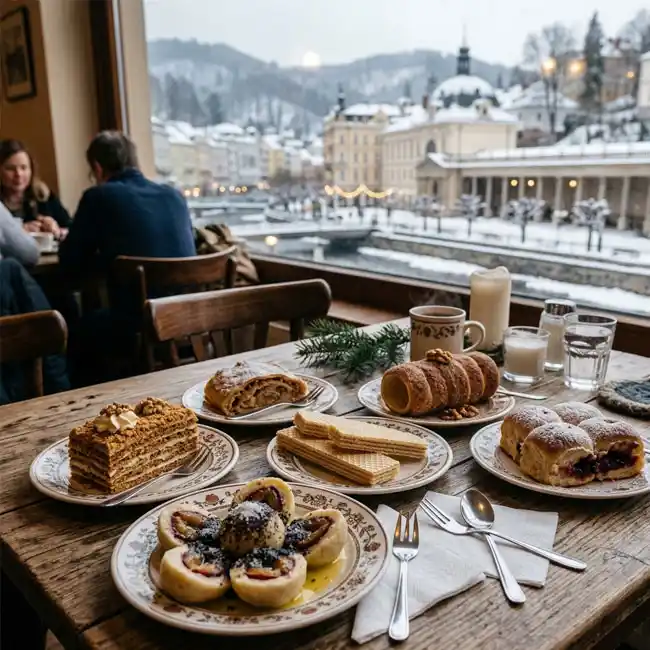
🍰 🇨🇿 The Sweet Soul of Bohemia: Welcome to the World of Czech Desserts 🌐✈️
If you have a sweet tooth, you’ve just hit the jackpot. While many people associate Central Europe with savory meats and heavy dumplings, the locals in Czechia have a secret: they are absolutely obsessed with sugar, flour, and cream. In fact, if you spend any time in a Czech household, you’ll quickly realize that a meal isn't really "finished" until something sweet has graced the table.
Czechia desserts aren't just an afterthought; they are a cornerstone of the culture. We are talking about centuries-old traditions that have been passed down from grandmothers (babička) to grandchildren in cozy kitchens across Prague, Brno, and the tiny villages of South Bohemia. This isn't just food—it’s a warm hug in pastry form.
In this deep dive, we’re going to explore the landscape of Czech sweets. We won’t be looking at technical recipes today, but rather the stories, the culture, and the "vibe" of the Czech dessert scene. From the bustling pastry shops of the capital to the fruit-laden orchards of the countryside, let's take a sugary tour of this beautiful land.
🍩 The Cukrárna Culture: A National Obsession
To understand Czech desserts, you have to understand the Cukrárna. In English, you might call it a "sweet shop" or a "patisserie," but those words don't quite capture the magic. A Cukrárna is a social hub. It’s a place where friends meet for a midday chat, where students study over a slice of cake, and where grandparents take their grandkids for a weekend treat.
🧁 The Display Case of Dreams
When you walk into a traditional Cukrárna, the first thing that hits you is the smell of vanilla and toasted nuts. Then, you see the glass display case. It’s usually packed with " zákusky"—individual-sized cakes and pastries that look like little jewels.
The variety is mind-blowing. You’ll see layers of sponge, clouds of whipped cream, and shiny glazes. The culture here is about taking a moment to slow down. You don’t grab a dessert "to go" and eat it while running for a tram. You sit, you enjoy a glass of juice or a warm coffee, and you savor the craftsmanship.
🥧 The Home Baking Tradition
While the shops are great, the real "gold" is found at home. Baking is a fundamental skill for many Czechs. Sunday afternoons are often dedicated to baking a "buchta" or a "koláč" (more on those in a bit!). It’s the smell of home. If you visit a Czech friend on a weekend, there is a 99% chance there will be something freshly baked sitting on the kitchen counter waiting for you.
🍓 The Legendary Koláče: The Pride of the Countryside
If Czechia had a national dessert, it would undoubtedly be the Koláč (plural: Koláče). You might have seen versions of these in the US or other parts of Europe, but nothing compares to the authentic version found in its homeland.
🏡 A Regional Masterpiece
A koláč is a round, yeast-dough pastry with a dimple in the middle that is filled with various sweet toppings. The most traditional fillings include:
• Poppy Seed (Mák): Sweet, earthy, and slightly textured.
• Tvaroh (Quark/Curd Cheese): A creamy, slightly tangy dairy filling that is a staple of Czech baking.
• Plum Jam (Povidla): A dark, rich, and intensely flavored jam made from slow-cooked plums.
• Apricot or Cherry: Bright, fruity, and perfect for the summer months.
🎡 Festivals and Celebrations
In some regions, like Chodsko in West Bohemia, they make giant koláče that are as big as a pizza, decorated with intricate patterns of poppy seeds and cheese. These are often served at weddings or local festivals (poutě). They represent abundance and community. Sharing a koláč is a way of saying, "You are welcome here."
🥟 Fruit Dumplings: The Dessert That Is a Main Course
Wait, dumplings for dessert? Yes! In Czechia, fruit dumplings (ovocné knedlíky) are so beloved that they aren't always served as a final course—they are often eaten as the main meal!
🍑 Seasonal Joy in Every Bite
The concept is simple but genius. Fresh fruit—like whole strawberries, apricots, or plums—is encased in a soft dough (either made from potato or a light curd cheese mixture). They are boiled until tender and then topped with a mountain of melted butter, grated gingerbread, or a dusting of sugar and tvaroh.
🌲 The Taste of Summer
Eating fruit dumplings is a seasonal ritual. When the strawberries are ripe in June, everyone is eating strawberry dumplings. When the plums hit their peak in late summer, it’s plum dumpling time. It’s a way of celebrating the cycle of nature. If you’re traveling through the Czech countryside in July, keep an eye out for roadside signs or local bistros offering these—it’s a mandatory foodie experience.
🍦 Street Food Stars: The Trdelník Mystery
If you’ve ever looked at photos of Prague on social media, you’ve seen the Trdelník. It’s the chimney-shaped pastry that is coated in cinnamon sugar and often filled with ice cream.
🏰 A Tourist Favorite
Here’s a little "pro-tip" between friends: while the trdelník is actually originally from the Transylvania region (modern-day Romania/Hungary) and only became popular in Prague in the last couple of decades, it has become a staple of the city's street food scene.
Even if it’s not "ancient" Czech history, it’s delicious. Watching them being spun over an open flame on the street corners of Old Town Square is a sensory delight. The sound of the crackling sugar and the warmth of the dough in the cold winter air is something every visitor should experience at least once.
🥨 The Christmas Spirit: Vánoční Cukroví
We cannot talk about Czech sweets without mentioning Christmas. In the weeks leading up to December 24th, Czech kitchens turn into miniature factories.
🍪 Tiny Treasures
Czech Christmas cookies, or cukroví, are not your average large cookies. They are tiny, delicate, and often bite-sized. A good host will aim to have at least 7 to 10 different varieties on their holiday platter.
• Linecké Cukroví: Buttery jam-filled sandwiches.
• Vanilkové Rohlíčky: Crescent-shaped cookies made with ground walnuts or hazelnuts and rolled in vanilla sugar.
• Včelí Úly (Beehives): Unbaked treats made with cocoa, biscuits, and a creamy filling.
This tradition is about patience and precision. It’s a labor of love that involves the whole family, and the goal is to make enough to last through the entire holiday season (and to give away as gifts to neighbors).
🏔️ Sweet Travels: Regional Specialties to Look For
Just like the savory food, Czech desserts vary as you travel across the map.
🏙️ Prague: The Sacher and Beyond
In the capital, you'll find a heavy influence from the Austro-Hungarian Empire. You’ll find world-class chocolate cakes, elegant cream rolls (hořické trubičky), and the famous "Větrník"—a giant choux pastry filled with caramel cream that will change your life.
⛰️ The Spa Towns: Karlovy Vary Wafers
If you head west to the famous spa town of Karlovy Vary (Carlsbad), you have to try the Lázeňské oplatky. These are large, circular, thin wafers. They come in flavors like chocolate, hazelnut, or vanilla. Traditionally, people would eat them while walking between the mineral springs, sipping the healing waters. They are light, crisp, and the perfect souvenir to take home.
🍇 Moravia: The Frgál
In the eastern region of Wallachia (Valašsko), they make a specific type of large, flat pastry called a Frgál. Unlike the smaller koláče, these are about 30cm wide. They are traditionally topped with a thick layer of pear jam, poppy seeds, or cheese and finished with a buttery crumble. It’s a rustic, hearty dessert that perfectly matches the mountainous landscape of the east.
🍯 The Secret Ingredients of Czech Baking
What makes these desserts taste so unique? It’s a few key ingredients that are used everywhere:
1.Mák (Poppy Seeds): Czechia is one of the world's top producers of edible poppy seeds. They are used as a filling, a topping, and even ground into flour.
2.Tvaroh: This fresh curd cheese is the secret to the moist texture and slightly tangy flavor of many Czech cakes.
3.Povidla: This isn't just plum jam; it's plum butter. It's cooked for hours without added sugar until it's thick, dark, and incredibly rich.
4.Rum Essence (Alcohol-Free): While we aren't talking about drinks, many traditional recipes use a rum-flavored extract or essence to give that classic "Old World" aroma to the doughs and creams.
🍰 How to Eat Like a Local
If you want to blend in, remember that "sweet" doesn't always mean "dessert."
• Sweet Breakfast: It’s very common to have a loupák (a sweet, crescent-shaped roll with poppy seeds) for breakfast.
• Afternoon Snack: "Svačina" is the mid-afternoon snack time. This is the prime time for a piece of cake and a chat.
• Main Meal Sweets: Don't be surprised if your lunch consists of sweet noodles with poppy seeds or those famous fruit dumplings!
🇨🇿 Why Czech Desserts Win the Heart
At the end of the day, Czech desserts are about comfort. They aren't trying to be overly "fancy" or pretentious. They are honest, hearty, and made with ingredients from the local fields and forests. They represent a culture that finds joy in the simple things: a warm oven, a family gathered around a table, and the perfect balance of dough, fruit, and cream.
Whether you’re biting into a warm street-side trdelník or enjoying a delicate Christmas cookie, you’re tasting centuries of history. So, next time you find yourself in Czechia, make sure you leave plenty of room. The main course is just the opening act—the real stars of the show are waiting for you in the Cukrárna.
🤔 FAQ
Q1. Is it true that Czechs eat sweet dishes as a main course?
Yes, absolutely! It is very common, especially in schools and homes, to serve dishes like fruit dumplings, sweet rice pudding (nákyp), or noodles with poppy seeds as the main lunch course. It’s a tradition that kids (and adults!) love.
Q2. What is the most traditional filling for a Czech Koláč?
While there are many favorites, the "Big Three" are poppy seed (mák), curd cheese (tvaroh), and plum jam (povidla). Often, a single koláč will feature a combination of these for a beautiful contrast in flavor and color.
Q3. Are Czech desserts very heavy?
Some can be quite hearty (like the yeast-dough pastries), but many are surprisingly light. The use of tvaroh (curd cheese) adds a freshness that balances out the sweetness, and fruit-based desserts like the spa wafers or fruit-filled crepes (palačinky) are perfect for those who prefer something less dense.
🍨 The Sweet Side of Bohemia: Gourmet Desserts That Won't Break Your Bank
👉 Taste 3 Affordable Czech Desserts
| 🌐 🍨 < Back | 🇨🇿 🍝 < Previous | Next > 🍷 🇨🇿 |