
🏠 Home > 🗺️ Recipes > 🥘 Sauces > 🇨🇾 Cyprus Sauces
🇨🇾 🥘 Cyprus Sauces Recipes
Published by Supakorn | Updated: April 2026
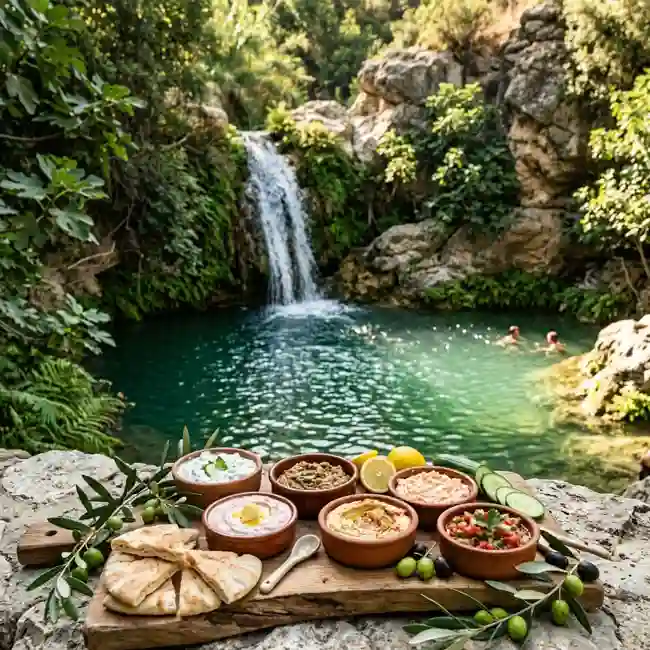
When you sit down for a meal in Cyprus, you’ll notice something immediately: the table is never empty. Before the main course even arrives, you are greeted by an array of small colorful bowls filled with creamy, tangy, and aromatic wonders. These are the Cyprus Sauces and Dips, the unsung heroes of the island's gastronomy.
In Cyprus, a sauce isn't just a condiment; it’s a social bridge. It’s what you dip your warm pitta bread into while sharing a laugh with friends, and it’s the flavor foundation that ties the entire Meze experience together. These sauces represent the island’s sun-drenched produce—lemons, garlic, sesame, and yogurt—transformed into liquid gold.
🇨🇾 🥘 The Dipping Culture: A Way of Life 📖💬
To understand Cyprus sauces, you have to understand the "Meze" culture. Meze comes from the word mazza, meaning "to taste." It’s a slow, multi-course dining style where the sauces serve as the opening act.
🏠 The Art of the "Kerasma"
In a traditional Cypriot home or a rustic village tavern, these dips are a sign of welcome. They are prepared fresh every day, often using recipes passed down through grandmothers (the legendary Yiayias). The culture of eating here is relaxed and communal. You don't just have your own portion; everyone dips from the same bowls, breaking bread and sharing flavors. This reflects the warm, inclusive nature of Cypriot hospitality.
🌿 From the Garden to the Bowl
What makes these sauces stand out is the "Zero-Kilometer" philosophy. The lemons are plucked from a tree in the backyard, the olive oil is pressed in the local village mill, and the herbs like mint and oregano are gathered from the hillsides. Because the ingredients are so fresh, the sauces don't need artificial additives—they rely on the natural vibrancy of the Mediterranean sun.
🥣 The Big Four: Iconic Dips You Must Know
If you are new to the island, there are four "heavy hitters" that you will find on almost every table. Each one offers a different profile, ranging from nutty and earthy to sharp and spicy.
🌰 Tahini: The Nutty Pillar
Tahini is perhaps the most beloved sauce in Cyprus. While common across the Middle East, the Cypriot version is unique.
• The Flavor: It’s a rich paste made from toasted ground sesame seeds, but here it’s heavily whipped with plenty of fresh lemon juice, garlic, and water until it becomes a light, pale, and creamy dream.
• The Pairing: It’s the perfect companion for grilled meats, but it’s also the go-to dip during fasting periods (Lent), as it is entirely plant-based.
🥛 Talattouri: More Than Just Tzatziki
Many visitors mistake Talattouri for the Greek Tzatziki, but there’s a distinct difference.
• The Secret Ingredient: While it uses thick, strained yogurt, cucumber, and garlic, the Cypriot version is famous for its heavy use of dried mint. This gives it an incredibly refreshing, cooling finish that is perfect for the scorching summer heat.
• The Texture: It’s thicker and more rustic, often served with a generous drizzle of local extra virgin olive oil on top.
🐟 Taramasalata: The Flavor of the Sea
This vibrant, often pinkish dip is made from fish roe (usually cod or carp), mixed with either breadcrumbs or mashed potatoes, lemon juice, and oil. It’s a salty, umami-rich explosion that tastes like the Mediterranean breeze. It’s a staple during "Green Monday," the first day of Lent, but enjoyed year-round for its unique savory kick.
🌶️ Tirokafteri: The Spicy Kick
For those who like a bit of heat, Tirokafteri is the answer. It’s a spicy cheese dip made by blending Feta (or local spicy cheeses) with hot peppers, yogurt, and garlic. It provides a wonderful contrast to the cooler dips and is the best friend of a warm, charred piece of pitta bread.
📍 Culinary Origins: A Journey Through Flavor
Just as the landscape of Cyprus changes from the mountains to the sea, so do the nuances of the sauces.
⛰️ The Troodos Mountains: Garlic and Herbs
In the high-altitude villages, where the air is cool, the sauces tend to be more pungent. You’ll find dips with a heavier hand of garlic and wild mountain herbs. In villages like Agros or Spilia, the "Skordalia" (a garlic-potato dip) is legendary for its strength and heartiness.
🌊 The Coastal Regions: Citrus and Freshness
Down in the coastal towns of Limassol and Larnaca, the sauces lean toward the citrusy side. With lemon groves surrounding the cities, the Tahini and Talattouri are often zestier, designed to complement fresh seafood or light vegetable dishes enjoyed by the water.
🏰 Nicosia: The Fusion of Old and New
The capital city is where traditional sauces get a modern makeover. You might find "Deconstructed Tahini" with pomegranate molasses or "Smoked Tirokafteri" served in artisanal bistros. It’s a testament to how these ancient flavors are staying relevant in the modern world.
🥗 The "Pitta" Connection: How to Eat Like a Local
In Cyprus, the sauce and the bread are inseparable. You’ll rarely see someone using a spoon; instead, the bread is the utensil.
• The Scoop: Take a piece of warm, fluffy Cypriot pitta, tear a small corner, and use it to scoop a generous amount of dip.
• The Layering: Many locals like to "layer" their flavors. A bit of Tahini on the bread, topped with a little Talattouri, creates a beautiful balance of nutty and minty notes.
• The Drizzle: Always look for the olive oil. A proper Cypriot dip will have a small "pool" of olive oil in the center. Make sure to get some in every bite—it carries the flavor of the garlic and herbs.
✨ Why Cyprus Sauces Are "Pure"
One of the best things about these sauces is that they are naturally healthy. Following the principles of the Mediterranean diet, they are high in healthy fats (from sesame and olive oil), rich in probiotics (from the yogurt), and packed with antioxidants (from the garlic and lemon). They are the perfect example of "food as medicine" that actually tastes like a celebration.
❓ FAQ (Frequently Asked Questions)
Q1. Is Tahini the same as the one found in supermarkets?
Not quite! While the base is sesame paste, the "Cyprus Dip" version is a finished sauce. The raw tahini paste is quite bitter and thick. In Cyprus, we transform it by adding lots of lemon, garlic, and water to create a smooth, creamy, and tangy dip that is ready to eat.
Q2. Are these sauces vegetarian or vegan-friendly?
Most of them are! Tahini and Taramasalata (if you eat fish) are dairy-free. Talattouri and Tirokafteri contain yogurt and cheese, so they are vegetarian but not vegan. During fasting periods in Cyprus, the vegan options (like Tahini) become the stars of the table.
Q3. Which dip is the best for someone who doesn't like spicy food?
If you want to avoid heat, stay away from Tirokafteri. Instead, go for Talattouri. It is incredibly mild, cooling, and refreshing thanks to the cucumber and mint. It’s the safest (and often most popular) choice for families and kids!
🥘 The Tasty Cypriot Sauces Everyone Will Be Asking For This Holiday!
👉 Make 3 Cypriot Holiday Sauces
| 🌐 🥘 < Back | 🇨🇾 🍱 < Previous |