
🏠 Home > 🗺️ Recipes > 🥘 Sauces > 🇨🇺 Cuba Sauces
🇨🇺 🥘 Cuba Sauces Recipes
Published by Supakorn | Updated: May 2026
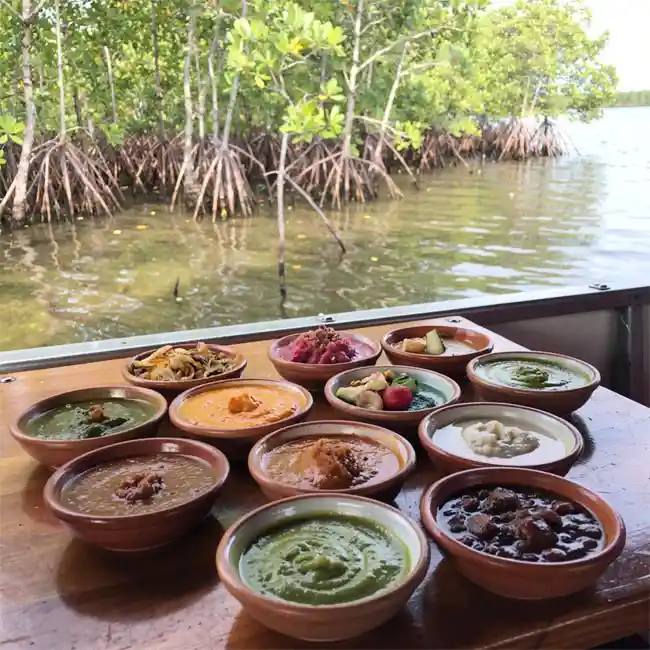
Welcome to the vibrant, aromatic, and totally addictive world of Cuban sauces! If you’ve ever sat down at a family table in Havana or a cozy paladar in Trinidad, you know that the soul of the meal isn’t just in the meat or the rice—it’s in the "unseen" magic drizzled over the top. Cuban food is a beautiful mosaic of Spanish, African, and Caribbean influences, and nowhere is that fusion more evident than in its sauces.
In this deep dive, we’re going to explore the stories, the culture, and the absolute vibe behind Cuba's most famous condiments. We aren't just talking about liquid in a bowl; we’re talking about the heartbeat of the Cuban kitchen. So, grab a seat, and let’s talk about the flavors that make this island legendary! 🌴✨
🇨🇺 🥘 The Cultural Roots of Cuban Flavor
To understand Cuban sauces, you have to understand the history of the island itself. It’s a story of survival, adaptation, and ultimate creativity. When the Spanish arrived, they brought garlic, onions, and citrus. African traditions added depth and earthy techniques, and the indigenous Caribbean people contributed local spices and roots.
Cuban sauces aren't usually about "heat" in the way Mexican or Jamaican sauces are. You won't find your mouth on fire here! Instead, Cuban cuisine prioritizes aroma and complexity. It’s about the slow sauté, the acidity of the bitter orange, and the pungent kick of fresh garlic. It’s "comida criolla" at its finest—rustic, soulful, and deeply satisfying.
🍃 The Holy Trinity: Sofrito
In many ways, the "sauce" of Cuba begins before the dish is even cooked. Sofrito is the foundation. It’s the aromatic base of garlic, onions, and bell peppers sautéed in olive oil. Every household has their own secret ratio. It’s the smell that greets you when you walk down a residential street at lunchtime—the scent of home.
🏺 Iconic Sauces You Simply Must Know
While there are dozens of variations across the provinces, a few heavy hitters define the Cuban palate. These are the ones that locals swear by and travelers never forget.
🧄 Mojo Criollo: The King of the Table
If Cuba had a national flavor, it would be Mojo. This isn't just a sauce; it's a lifestyle. Traditionally made with naranja agria (bitter orange), mountains of smashed garlic, and warm oil, Mojo is what gives Lechón Asado (roast pork) its legendary status. It’s bright, zingy, and cuts through fatty meats like a dream.
🍅 Salsa Fricasé: The Comfort Classic
Think of this as the "mother sauce" for stews. It’s a rich, tomato-based sauce infused with wine-like acidity (without the alcohol), cumin, and bay leaves. It’s what makes a Pollo al Fricasé so tender that it falls off the bone. It represents the Spanish influence on the island, transformed into something uniquely tropical.
🌶️ Mojo de Ajo: For the Garlic Lovers
Similar to the classic Mojo but focused purely on the infusion of garlic in oil. This is the go-to for Yuca con Mojo. The starchiness of the yuca absorbs the garlic oil, creating a texture and flavor profile that is pure comfort food.
🏘️ The Lifestyle: How Sauces Define the Cuban "Day-to-Day"
In Cuba, "eating" is a communal event. It’s rarely a solitary act. The way sauces are used reflects this "sharing" culture. Usually, a large bowl of Mojo or a pot of sauce sits in the middle of the table, and everyone helps themselves.
🥖 The Art of the Dip
Cubans love to use bread (Pan Cubano) to "limpiar el plato" (clean the plate). If there is a remnant of sauce left from a dish of Ropa Vieja or beans, you can bet a piece of crusty bread is going in there to soak up every last drop of flavor. It’s a sign of respect to the cook—it means the sauce was too good to waste!
🥬 Freshness Over Preservation
Because of the tropical climate, many Cuban sauces are made fresh for the meal. There isn't a huge culture of bottled, processed sauces. Instead, the "sauce of the day" is often made using whatever is fresh in the market—ripe tomatoes, pungent garlic cloves, and bright green herbs. This gives the food a "living" quality that you can’t get from a store-bought jar.
🗺️ Travel and Origin: A Flavor Tour of the Provinces
Where you go in Cuba changes what you find in the saucepot. The island is long, and the culinary traditions shift as you move from the bustling streets of Havana to the lush mountains of Baracoa.
🏰 Havana: The Cosmopolitan Mix
In the capital, sauces tend to be more refined. You’ll find more influence from French and Spanish haute cuisine, with smoother textures and a balance of sweet and savory. This is where the "gourmet" versions of Cuban sauces thrive.
🥥 Eastern Cuba (Oriente): The Coconut Twist
If you head east toward Santiago de Cuba and Baracoa, things get interesting. Because of the heavy African influence and the abundance of coconut palms, you see sauces like Leche de Coco (coconut milk) being used in savory dishes. This is quite different from the central and western parts of the island and offers a creamy, tropical richness that is absolutely divine.
🚜 The Countryside (El Campo): Rustic and Bold
In the rural areas, sauces are all about the "asador" (the grill). The sauces here are often simpler but much bolder in flavor because they use ingredients grown right in the backyard. The garlic is stronger, the peppers are fresher, and the soul is unmistakable.
🍽️ More Than Just a Topping: The Versatility of Cuban Sauces
One of the coolest things about Cuban sauces is that they are multi-purpose. A sauce is never just a sauce.
1.As a Marinade: Most sauces, especially Mojo, serve as the marinade for hours (or days) before the meat even touches the heat.
2.As a Finishing Touch: A fresh splash of sauce right before serving awakens the dish with acidity.
3.As a Cooking Liquid: For rice dishes and stews, the sauce is the medium in which the magic happens.
🌟 Why Cuban Sauces are Perfect for Your Kitchen
Even if you aren't in Havana, these flavors are incredibly accessible. They rely on "pantry staples"—garlic, onion, citrus, and spices like cumin and oregano. They are the ultimate "hack" to make a simple piece of grilled chicken or a bowl of white rice feel like a five-star Caribbean feast.
The beauty of Cuban cooking is that it doesn't require expensive gadgets or rare ingredients. It requires patience—the patience to let the onions caramelize and the garlic to mellow out in the oil. It’s slow food at its best.
🤨❓ FAQ: Everything You Wanted to Know About Cuban Sauces
Q1. Are Cuban sauces spicy?
Generally, no! Unlike some of its neighbors in the Caribbean, Cuban cuisine focuses on savory, tangy, and aromatic flavors rather than heat. While some families might use a little "cachucha" pepper for flavor, it’s rarely spicy enough to burn.
Q2. What can I use if I can't find bitter oranges (Naranja Agria)?
This is a common struggle for people outside of the tropics! A pro-tip used by many chefs is to mix two parts orange juice with one part lime juice and one part lemon juice. It mimics that complex acidity perfectly!
Q3. Can these sauces be made ahead of time?
Absolutely! In fact, sauces like Mojo often taste better the next day after the garlic and citrus have had time to "marry." Just keep them in a glass jar in the fridge, and they’ll be ready to brighten up any meal.
Cuban sauces are a testament to the island's spirit—vibrant, resourceful, and full of life. Whether you’re a seasoned foodie or just someone looking to spice up your weeknight dinners, looking toward the Caribbean is always a good idea. ¡Buen provecho! 🇨🇺🥘
🥘 Master the Flavor of Havana: Gourmet Cuban Sauces for the Ultimate Feast
👉 Get 3 Authentic Cuban Festive Sauces!
| 🌐 🥘 < Back | 🇨🇺 🍱 < Previous |