
🏠 Home > 🗺️ Recipes > 🥪 Appetizers > 🇨🇺 Cuba Appetizers
🇨🇺 🥪 Cuba Appetizers Recipes
Published by Supakorn | Updated: May 2026
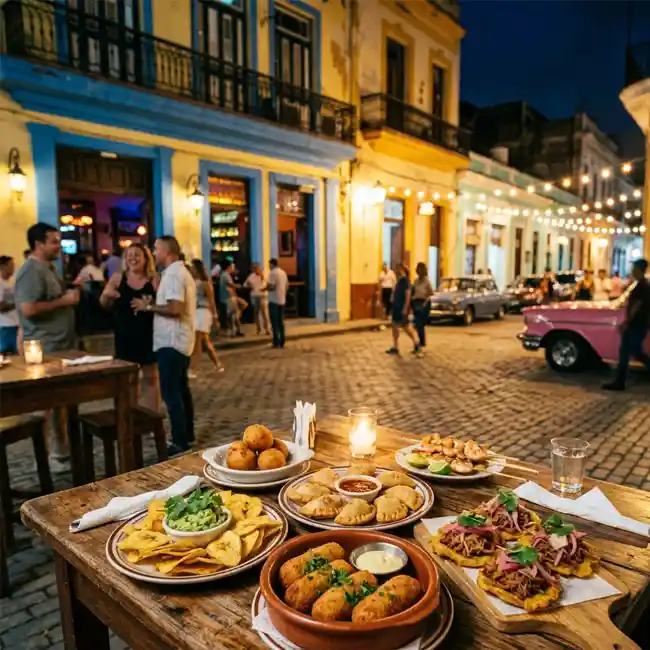
🇨🇺 🍘 The Heartbeat of Havana: An Intro to Cuban Food Culture
Welcome to the vibrant, sun-drenched world of Cuban cuisine! If you’ve ever found yourself daydreaming about palm trees, vintage cars, and the smell of something savory frying in a cast-iron skillet, you’re already halfway to Havana. Cuban food isn't just about sustenance; it’s a soulful expression of history, resilience, and family.
When we talk about Cuba appetizers, we aren't just talking about small bites to tide you over until dinner. These are "bocaditos" (little bites) that carry the weight of centuries. Cuban culinary traditions are a beautiful "ajiaco" (stew) of Spanish, African, and Caribbean influences. The Spanish brought citrus, rice, and cattle; African traditions contributed tubers like yuca and malanga; and the Caribbean environment provided the tropical fruits and seafood that make everything pop.
In Cuba, food is social. It’s the excuse to gather on a porch, play a game of dominoes, and share stories. Whether you’re walking through the narrow streets of Old Havana or relaxing on the beaches of Varadero, appetizers—or entrantes—are the universal language of hospitality.
🏝️ The "Sabor" of the Streets: Where Food Meets Destination
Cuba is a country of diverse landscapes, and its appetizers reflect that geography. Traveling through the island is like taking a guided tour of flavor profiles.
🏘️ Havana: The Melting Pot
In the capital, you’ll find the most sophisticated versions of classic appetizers. Havana is the place where "ventanitas" (little windows) serve up hot snacks to workers and tourists alike. Here, the appetizer culture is fast-paced but never lacks quality.
⛰️ Viñales and the Countryside
Move inland to the lush Pinar del Río province, and the food becomes more "campesino" (country-style). Here, appetizers are rooted in the earth. You’ll find root vegetables (viandas) served in ways you never imagined. It’s fresh, it’s organic by default, and it tastes like the red soil of the valley.
🌊 Santiago de Cuba: The Caribbean Soul
On the eastern side of the island, the flavors get a bit bolder and more tropical. The African influence is even more pronounced here, with spices and techniques that distinguish Oriente cuisine from the Western provinces.
🥘 Iconic Cuban Appetizers You Need to Know
Let’s dive into the stars of the show. These are the bites that define a Cuban gathering.
🥟 1. Empanadas: The Golden Pockets
You can’t talk about Cuban starters without mentioning the empanada. While many Latin American countries have their version, the Cuban empanada is distinct. Usually fried to a perfect golden crisp, these half-moon pastries are stuffed with "picadillo"—a savory ground beef mixture seasoned with cumin, oregano, and plenty of garlic.
🥔 2. Papa Rellena (Stuffed Potato Balls)
Imagine a creamy mashed potato ball, stuffed with seasoned meat, breaded, and deep-fried until it shatters when you bite into it. That is the Papa Rellena. It is perhaps the king of Cuban street food. It’s hearty, comforting, and incredibly portable.
🥖 3. Croquetas: The Ultimate Comfort Bite
If a Cuban party doesn't have a tray of croquetas, was it even a party? These small, cylindrical bites are typically made with a thick béchamel base mixed with ham, chicken, or fish. They are smooth on the inside and crunchy on the outside. Every Cuban grandmother has her "secret" recipe for the perfect croqueta.
🍌 4. Tostones vs. Maduros
Plantains are the backbone of Cuban snacking.
• Tostones are green plantains that are sliced, fried, smashed, and fried again. They are salty, starchy, and perfect for dipping in mojo (garlic sauce).
• Maduros are ripe plantains fried until the natural sugars caramelize, creating a sweet, soft, and almost jammy snack.
🥣 5. Yuca con Mojo
Yuca (cassava) is a staple root vegetable. As an appetizer, it’s often boiled until tender and drenched in a fragrant sauce of garlic, onions, and sour orange juice. It’s simple, rustic, and absolutely addictive.
🍴 The Cuban Way of Life: Dining and Living
In Cuba, the concept of "fast food" is different. People take their time. Even a quick snack at a window involves a conversation. There’s a rhythm to eating here—a slow appreciation for what’s on the plate.
When you visit a "Paladar" (a privately-run restaurant), the appetizers are often served family-style. This encourages sharing and interaction. Cubans are masters of making much out of little, and this creativity shines in their appetizers. They use every part of the ingredient, ensuring nothing goes to waste while maximizing flavor.
The climate also dictates the food. In the humid heat, appetizers are often designed to be refreshing or high-energy. Tropical juices—guava, pineapple, and mango—are the perfect companions to these savory snacks, providing a sweet contrast to the salty, garlicky notes of the food.
✨ Why Cuban Appetizers Are Perfect for Your Next Gathering
Whether you are hosting a formal dinner or a casual backyard hangout, Cuban starters bring a "wow" factor. They are visually appealing, generally easy to handle as finger foods, and offer a flavor profile that is familiar yet exotic.
The beauty of these dishes lies in their balance. You have the acidity of the citrus, the earthiness of the cumin, the sweetness of the plantains, and the richness of the fried textures. It’s a full sensory experience.
⛔❓ FAQ: Everything You Wanted to Know
Q1. What makes Cuban appetizers different from other Caribbean snacks?
While many Caribbean islands use similar ingredients like plantains and yuca, Cuban food focuses heavily on the "Sazón"—a specific blend of garlic, onion, and bell peppers (the Holy Trinity of Cuban cooking) without the heavy heat of habanero peppers found in Jamaican or Haitian cooking. It’s savory and aromatic rather than spicy.
Q2. Are there vegetarian options in Cuban appetizers?
Absolutely! While Cubans love their pork and beef, many of the best appetizers are plant-based. Tostones, Maduros, Yuca con Mojo, and Malanga Fritters (frituras de malanga) are all vegetarian-friendly and showcase the incredible versatility of tropical root vegetables.
Q3. What is the best dipping sauce for Cuban starters?
The undisputed champion is Mojo Sauce. It’s made with lots of toasted garlic, olive oil, and "naranja agria" (sour orange). If you can’t find sour orange, a mix of lime and orange juice does the trick. It adds a zesty, bright kick to everything it touches!
Ready to bring a taste of the island to your kitchen? Stay tuned as we explore more of the vibrant world of international flavors! 🇨🇺✨