
🏠 Home > 🗺️ Recipes > 🍲 Soups > 🇭🇷 Croatia Soups
🇭🇷 🍲 Croatia Soups Recipes
Published by Supakorn | Updated: April 2026
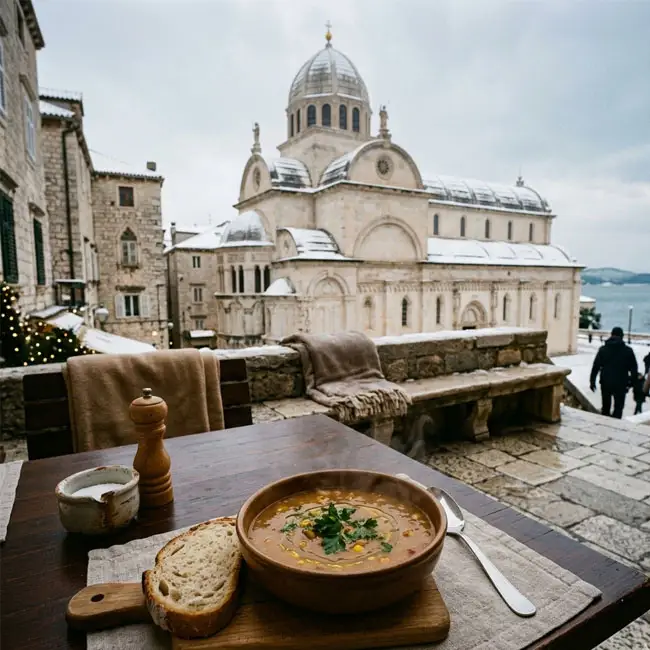
Hey there, fellow food explorer! If you’ve ever wandered through the cobblestone streets of Dubrovnik or felt the crisp mountain air of Lika, you know that Croatia is a country of breathtaking contrasts. But there’s one thing that unites every Croatian household, from the sun-drenched Adriatic coast to the fertile plains of Slavonia: a deep, almost spiritual love for soup.
In Croatia, soup isn’t just an appetizer; it’s a lifestyle. It’s the "juha" that starts every Sunday family lunch, the warm hug on a rainy day, and the secret to the locals' legendary vitality. Today, we’re diving deep into the steaming, aromatic world of Croatian soups. We’re not just talking about recipes (we’ll save the "how-to" for another time); we’re talking about the soul, the culture, and the "why" behind these incredible liquid masterpieces.
So, grab a seat at my virtual kitchen table, and let’s talk about why Croatia might just be the soup capital of the world!
🇭🇷 🍲The "Juha" Philosophy: Why Croatians Can't Live Without It🥣🔥
Before we look at the specific bowls, we have to understand the mindset. In many parts of the world, soup is a quick lunch or something you eat when you’re under the weather. In Croatia? It is the essential foundation of the main meal.
If you visit a Croatian grandmother (a "Baka"), and she serves you a three-course meal, the first course is always soup. To skip the soup is almost like starting a book on Chapter 2—it just feels wrong! This tradition stems from a deep-rooted belief that "spoon food" (kašasta hrana) is vital for digestion and overall health. There’s even a common saying that you aren’t truly "eating" unless you’re eating something with a spoon.
The variety of these soups is a direct reflection of Croatia’s wild geography. You have the Mediterranean influence on the coast, where olive oil and fresh fish dominate, and the Central European influence inland, where hearty meats, sour cream, and paprika take center stage. It’s a culinary map of Europe, all contained within one beautiful country.
🌊 Coastal Wonders: The Brine and the Broth
Let’s start our journey where the sea meets the shore. If you’re hanging out in Dalmatia or Istria, the soups are light, fragrant, and taste like a summer breeze.
🐟 The Iconic Brodet (Brudet)
While some might argue it’s more of a stew, the Brodet is the undisputed king of the coastal pot. It’s a fisherman’s masterpiece. Historically, it was made with whatever the catch of the day was—usually a mix of several types of reef fish. The magic happens in the slow simmer with olive oil, onions, and a hint of vinegar to keep the fish firm. It’s rustic, bold, and tells the story of the Adriatic Sea in every bite.
🍅 Maneštra: The Istrian Soul
Travel up to the Istrian peninsula, and you’ll find Maneštra. This is Croatia’s answer to the Italian Minestrone, but with a distinct local twist. It’s thick, loaded with beans, corn (the famous maneštra od bobići), and cured meats. It’s the kind of soup that’s so thick your spoon can almost stand up straight in the middle of the bowl! It represents the "cucina povera" (peasant cooking) of the region—taking simple ingredients from the earth and turning them into something fit for a king.
🍲 Riblja Juha (Clear Fish Soup)
On the lighter side, we have the delicate Riblja Juha. This isn’t your heavy, creamy chowder. It’s a crystal-clear broth made from high-quality white fish, flavored with garlic, parsley, and a splash of olive oil. Locals often serve it with a bit of rice or tiny soup noodles. It’s the ultimate "recovery" food—elegant, simple, and incredibly healthy.
🌲 Continental Comfort: Hearty Flavors of the North
As you move away from the sea and toward the rolling hills of Zagorje or the flatlands of Slavonia, the soups undergo a massive transformation. The olive oil is replaced by lard or butter, and the fish gives way to smoked meats and root vegetables.
🍄 Zagorska Juha od Vrganja (Mushroom Soup from Zagorje)
If you love the earthy scent of the forest, this is your holy grail. Made with wild porcini mushrooms gathered from the lush hills of the Zagorje region, this soup is rich, creamy, and deeply savory. It usually features potatoes and a touch of sour cream, making it the perfect fuel for a cold winter afternoon.
🥩 Goveđa Juha (The Sunday Beef Soup)
This is the "Gold Standard" of Croatian domestic life. If you walk through a Croatian village on a Sunday morning, the air smells like Goveđa Juha. It’s a slow-cooked beef broth made with marrow bones, large chunks of beef, carrots, celery, and parsnips. The broth is strained until it’s amber-clear and served with homemade "rezanci" (thin egg noodles). For Croatians, this soup tastes like home, childhood, and family gatherings.
🥘 Čobanac (The Shepherd’s Stew)
Hailing from the eastern region of Slavonia, Čobanac is a vibrant, spicy, and incredibly meaty affair. Traditionally cooked in a large cauldron over an open fire, it uses multiple types of meat (usually beef, pork, and game). The star of the show here is the Slavonian Paprika, which gives the soup its deep red color and a spicy kick that warms you from the inside out. It’s a social dish, meant to be shared with friends after a long day of work.
🥗 The "Green" Side: Seasonal and Herbal Infusions
Croatians have a deep connection to the seasons. You won’t find a local eating a heavy bean soup in the middle of July. Instead, they look to what’s growing in the garden.
🥬 Wild Greens and Spring Broths
In the spring, you’ll see people foraging for wild asparagus or dandelions. These find their way into light, medicinal-style soups that are meant to "cleanse" the body after a long winter. These soups are often very simple—just greens, a bit of potato for thickness, and a drizzle of the freshest olive oil you can find.
🎃 Autumn Harvests
When October hits, pumpkin soups become the star. But unlike the sugary pumpkin spice versions you might find elsewhere, Croatian pumpkin soup is savory, often topped with toasted pumpkin seeds and a few drops of dark, nutty pumpkin seed oil—a specialty of northern Croatia.
🍽️ The Art of Dining: How to Eat Soup Like a Local
If you want to blend in with the locals while enjoying your bowl of liquid gold, keep these "unspoken rules" in mind:
1.The "Spoon" Priority: If you’re at a formal lunch, do not reach for the bread first. Wait for the soup. The soup is the signal that the meal has officially begun.
2.Homemade is King: While you can find canned soups in stores, almost no one uses them. Making soup from scratch is a point of pride. Even the busiest professionals will often have a pot of homemade stock simmering on the weekend.
3The "Noodle" Factor: Croatians are very picky about their soup noodles. They should be thin, made with plenty of eggs, and never overcooked. In some regions, they even make "knedle" (semolina dumplings) that are light as air and soak up the broth beautifully.
4.No Waste Culture: The vegetables and meat used to make the broth are rarely thrown away. The "lešo" meat (the boiled beef from the soup) is often served as a second course with a side of tomato sauce or horseradish. It’s a sustainable and delicious way to eat!
🌍 Why Croatian Soup is the Ultimate "Slow Food"
In a world that’s constantly rushing, Croatian soup culture is a reminder to slow down. You can’t rush a good Goveđa Juha. It needs hours to extract the collagen and minerals from the bones. You can’t rush a Brodet; the flavors need time to marry together.
When you sit down to a bowl of soup in Croatia, you’re participating in a ritual that has remained unchanged for centuries. It’s about more than just nutrition; it’s about hospitality. Offering someone a hot bowl of soup is the ultimate gesture of care and welcome.
Whether it’s a light, lemony broth on a yacht in Hvar or a heavy, paprika-spiced stew in a farmhouse in Osijek, the soup is a reflection of the land and the people who tend to it. It’s honest, unpretentious, and incredibly satisfying.
🙋♂️ Frequently Asked Questions (FAQ)
Q1. Is Croatian soup usually vegetarian-friendly?
While many traditional "heavy" soups use meat or bone broth as a base, there are plenty of vegetarian options! Maneštra can be made "posna" (fasting style) without meat, and the mushroom or pumpkin soups are often strictly vegetable-based. Just be sure to ask if the base is mesna juha (meat broth) or povrtna juha (vegetable broth).
Q2. What is the most famous soup I must try when visiting?
If you’re on the coast, you absolutely have to try Fish Soup (Riblja Juha). It’s the essence of the Mediterranean. If you’re inland in Zagreb or the surrounding areas, go for the Beef Soup with Noodles. It’s the most authentic "daily life" meal you can experience.
Q3. What makes Croatian soup different from other European soups?
It’s the "in-between" factor! Croatian soup culture sits at the crossroads of the Mediterranean, the Alps, and the Balkans. You get the lightness of Italian cooking, the richness of Austrian cuisine, and the spice of Ottoman traditions all in one country. Plus, the emphasis on using fresh, seasonal, and hyper-local ingredients makes every bowl taste unique to the specific village you’re in.
Final Thoughts:
Next time you think of Croatian food, don't just think of grilled meats or seafood platters. Think of the steam rising from a bowl of freshly made juha. It’s the hidden gem of Croatian gastronomy and the truest way to taste the heart of the country.
So, ready to pick up a spoon? Your Croatian culinary adventure starts with the very first sip! 🇭🇷🍲
🍲 The Ultimate Guide to Authentic Croatian Comfort: A Symphony of Flavors
👉 Try 3 Croatian Flavorful Soups
| 🌐 🍲 < Back | 🇭🇷 🍷 < Previous | Next > 🥗 🇭🇷 |