
🏠 Home > 🗺️ Recipes > 🍨 Desserts > 🇨🇮 Côte d’Ivoire Desserts
🇨🇮 🍨 Côte d’Ivoire Desserts Recipes
Published by Supakorn | Updated: March 2026
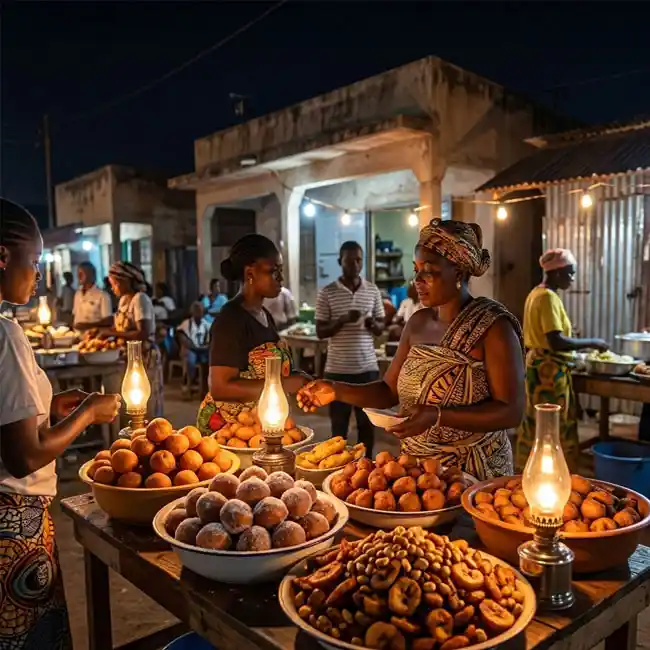
Hey there, sweet tooth! If you thought Côte d’Ivoire was only about spicy stews and savory plantains, you are in for a sugary surprise. Grab a seat, because we are about to dive into the world of Ivorian desserts—a place where tropical sunshine meets golden-fried goodness and creamy, cooling textures.
In the West African culinary landscape, "dessert" doesn't always look like a three-layered chocolate cake. Instead, it’s a vibrant mix of nature’s bounty (think mangoes that taste like honey) and clever, comforting street snacks that make your heart melt. Let's explore the sweet soul of the Ivory Coast together!
🍯💛The Sweet Side of "L'hospitalité": Ivorian Dessert Culture 🇨🇮 🍨
In Côte d’Ivoire, sweetness is often synonymous with comfort and celebration. While a formal "dessert course" isn't always part of a traditional home meal—where fresh fruit usually ends the feast—the culture of sweets is everywhere.
Go to any market in Abidjan, and you’ll see vendors with pyramids of golden dough balls or chilled basins of creamy yogurt-based treats. Sweetness in Ivorian culture is communal. It’s the treat a grandmother gives her grandchild, the shared snack between friends after a long day, or the cooling refreshment offered to a guest arriving from the humid heat.
Ivorian desserts rely heavily on what the earth provides:
• Grains: Millet and corn are transformed into smooth, puddings.
• Tubers: Sweet potatoes and cassava find their way into doughs.
• Fruits: Being a tropical paradise, the fruit here isn't just a side dish; it’s the main event.
🥯 The Golden Stars: Iconic Ivorian Sweet Treats
If you want to eat like a local, you have to know the names of these legends. These aren't just "food"; they are memories fried in oil and chilled in bowls.
🍩 Gbofloto: The Beloved African Donut
If there is one smell that defines an Ivorian morning or late afternoon, it’s the scent of Gbofloto. These are essentially deep-fried dough balls, similar to puff-puffs found in other parts of West Africa, but with that unique Ivorian touch.
They are crunchy on the outside, pillowy and airy on the inside, and just sweet enough to keep you coming back for "just one more" (spoiler: you will eat five). They are the ultimate comfort food—simple, warm, and soul-soothing.
🥣 Degue: The Creamy Millet Masterpiece
Imagine a cross between a thick yogurt smoothie and a rice pudding, and you have Degue. This is arguably the most famous chilled dessert in the country. It’s made from steamed millet pearls (couscous-like grains) mixed with sweetened yogurt or curdled milk, often flavored with a hint of vanilla or nutmeg.
It’s served ice-cold, making it the perfect antidote to the West African sun. It’s chewy, creamy, and incredibly filling. One cup of Degue is like a hug in a glass.
🥞 Claclo: Sweet Plantain Fritters
Remember Alloco from our appetizer talk? Well, Claclo is its sweeter, softer cousin. When plantains get so ripe that their skins turn completely black, Ivorians don't throw them away—they turn them into magic.
The overripe plantains are mashed, mixed with a little flour and spices (sometimes ginger), and fried into small nuggets. They are intensely sweet, with a caramelized flavor that no artificial sugar could ever replicate.
🥥 Nature’s Candy: The Fruit Kingdom of Côte d’Ivoire
We can't talk about desserts in this country without bowing down to the fruit. Because Côte d’Ivoire is lush and tropical, the fruit quality is world-class.
🥭 Mangoes and Papayas
Ivorian mangoes are legendary. During mango season, the air feels heavy with their perfume. They are eaten sliced, chilled, or often just peeled and eaten whole while the juice runs down your chin. It’s the purest dessert there is. The papayas are equally impressive—huge, buttery, and often served with a squeeze of lime to brighten the flavor.
🥥 Coconuts and Cocoa
As the world’s top producer of cocoa, Côte d’Ivoire is the heart of chocolate, though ironically, traditional desserts focus more on the raw fruit or the coconut. Fresh coconut flesh, often sold by street vendors who expertly whack open the shells with machetes, is a staple sweet snack.
🛋️ The "Dining In" Experience: How Sweets are Enjoyed
How you eat your sweets in the Ivory Coast is just as important as what you eat.
• The Afternoon "Goûter": Similar to the French "merienda" or tea time, the Goûter is when kids and adults alike look for something sweet to bridge the gap between lunch and dinner. This is the prime time for Gbofloto and hot, sweetened ginger juice.
• The Market Stroll: Many of the best desserts are found on the move. You buy a small plastic bag of chilled Degue or a newspaper cone filled with fried treats and enjoy them as you navigate the vibrant chaos of the city.
• Shared Platters: Even with desserts, the "big plate" philosophy remains. A large platter of sliced tropical fruits—pineapple, watermelon, and oranges—is the standard way to end a family dinner.
🥤 Sweet Refreshments (The Non-Boozy Kind!)
In Ivorian culture, sweet drinks often cross over into the dessert category because they are so rich and satisfying.
• Bissap: A deep red, sweet, and tangy hibiscus tea. It’s often flavored with mint or vanilla and served over plenty of ice.
• Gnamankoudji: This is a powerhouse ginger juice. It’s sweet, but it has a "bite" that clears your sinuses and wakes up your senses. It’s often considered a digestive aid after a heavy meal.
🐚 A Fusion of Flavors: The French Influence
You’ll notice a bit of a French flair in some Ivorian sweets, a nod to the country’s colonial history. In Abidjan, you’ll find world-class patisseries serving croissants and eclairs, but they often incorporate local ingredients. Think of a classic tart, but filled with local lime curd or topped with passion fruit. This "Afro-Parisian" fusion creates a sophisticated dessert scene that is unique to the Ivory Coast.
✨ Why You Should Explore Ivorian Sweets
If you’re tired of overly processed, sugary snacks, Ivorian desserts are a breath of fresh air. They rely on the natural sweetness of the land and the textural satisfaction of ancient grains. Eating these sweets is a way to connect with a culture that values the simple joy of a shared moment and the incredible bounty of the tropical earth.
It’s food that doesn't try too hard to be fancy—it just tries to be delicious. And trust me, it succeeds every single time.
❓ FAQ (Frequently Asked Questions)
Q1. Is chocolate a common dessert in Côte d’Ivoire since they produce so much cocoa?
Surprisingly, traditional Ivorian desserts don't use much processed chocolate. Most of the cocoa is exported for global production. However, in recent years, a "local chocolate" movement has grown in cities like Abidjan, where artisanal chocolatiers are creating incredible bars and truffles using 100% Ivorian cocoa!
Q2. Are Ivorian desserts very high in sugar?
Many traditional treats, like Degue or Claclo, rely more on the natural sweetness of millet, milk, and ripe fruit. While street snacks like Gbofloto are dough-based, they aren't usually coated in thick frosting or syrup like Western donuts. The sweetness is usually subtle and balanced.
Q3. What is the most refreshing dessert for a hot day?
Hands down, Degue! Because it is dairy-based and kept very cold, it acts as both a snack and a cooling drink. If you want something lighter, a chilled glass of Bissap (hibiscus tea) or a plate of fresh Ivorian pineapple is the way to go.
🍨 Sweeten Your Day: Healthy Protein-Packed Treats Inspired by Côte d'Ivoire
👉 Make 3 Nutritious Ivoirian Desserts
| 🌐 🍨 < Back | 🇨🇮 🍝 < Previous | Next > 🍷 🇨🇮 |