
🏠 Home > 🗺️ Recipes > 🥘 Sauces > 🇨🇷 Costa Rica Sauces
🇨🇷 🥘 Costa Rica Sauces Recipes
Published by Supakorn | Updated: April 2026
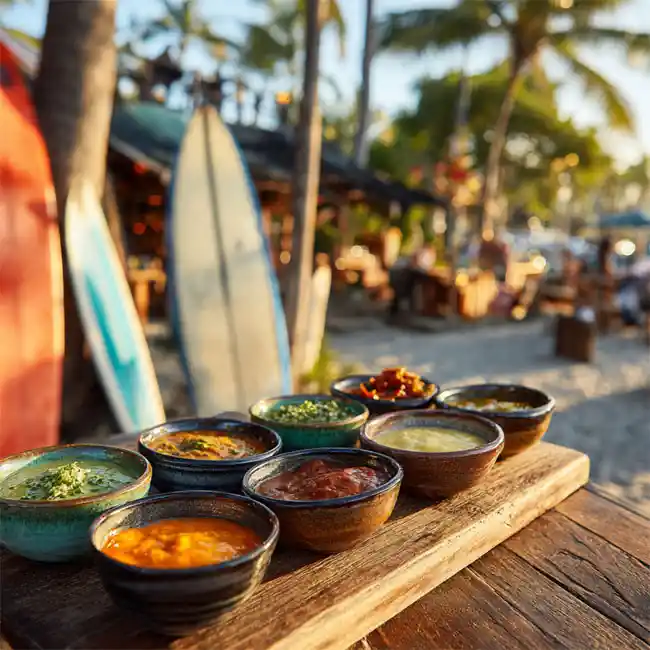
If you’ve ever sat down at a local Soda in Costa Rica, you’ve probably noticed a few mysterious bottles and jars sitting right there next to the napkins. Those aren't just decorations, my friend—they are the heartbeat of Tico gastronomy.
In Costa Rica, the food is known for being fresh, hearty, and wholesome, but it’s the sauces that provide the personality. Whether it’s a smoky, tangy bottled classic or a vibrantly colorful jar of pickled vegetables, these sauces turn a simple plate of rice and beans into a culinary masterpiece. Today, we’re diving deep into the world of Costa Rican sauces—where they come from, how they’re used, and why you can’t say you’ve truly "eaten" in Costa Rica until you’ve tried them.
🌶️🧄 The Cultural Heart: More Than Just a Condiment 🇨🇷 🥘
To understand Costa Rican sauces, you have to understand the Tico lifestyle. Food here is a communal experience. It’s about sharing, it’s about the land, and it’s about finding balance. Unlike some of its North American or Caribbean neighbors, traditional Costa Rican food isn't naturally "blow-your-head-off" spicy. Instead, the culture prefers a complex harmony of sweet, savory, and tangy.
Sauces in Costa Rica serve as the "finishing touch." They are highly personal; every family has their own version of a spicy pickle, and every restaurant has a preference for how they glaze their meats. It’s a way for individuals to customize their "Casado" (the traditional marriage of rice, beans, salad, and protein) to their own specific liking.
🏆 The Hall of Fame: Iconic Costa Rican Sauces
Let’s look at the heavy hitters. If you were to create a Mount Rushmore of Costa Rican flavors, these are the names that would be carved in stone.
🧴 Salsa Lizano (The National Treasure)
You cannot talk about Costa Rica without mentioning Salsa Lizano. Developed in 1920 in the province of Alajuela, this sauce is so ubiquitous that it’s often called "the ketchup of Costa Rica." It’s a smooth, light brown sauce that tastes like a mix between Worcestershire sauce and a mild curry, with a hint of cumin and black pepper. It’s used on everything—Gallo Pinto, tamales, eggs, and even as a marinade for steak. It’s the flavor that most Ticos miss the most when they travel abroad.
🌶️ Chilero (The Artisan’s Spice)
If Salsa Lizano is the industrial king, Chilero is the rustic queen. Usually found in a glass jar on the table, it consists of onions, carrots, cauliflower, and spicy peppers (like habanero or goat’s pepper) cured in vinegar. It’s not just a liquid sauce; it’s a chunky, crunchy topping. Each Soda prides itself on its "house chilero." Some are mild and sweet, while others will make you reach for a glass of water immediately!
🥥 Caribbean Ginger and Coconut Sauce
Travel over to the Atlantic coast, specifically to the province of Limón, and the flavor profile shifts dramatically. Here, sauces are influenced by Afro-Caribbean heritage. You’ll find thick, creamy sauces made from fresh coconut milk, spiked with ginger, thyme, and the fiery "Chile Panameño." This is the soul of the famous Rice and Beans (different from Gallo Pinto because of the coconut milk base).
🥭 Tropical Fruit Salsas
Because Costa Rica is a fruit paradise, it's very common to see savory sauces made from mango, papaya, or pineapple. These are often used to glaze fresh-caught Mahi-Mahi or Red Snapper. They provide a bright, acidic pop that balances out the richness of grilled seafood.
🏝️ From Rainforest to Table: The Geography of Flavor
One of the coolest things about Costa Rica is how the environment dictates the sauce.
• The Volcanic Highlands: In the cooler regions near Poás or Arenal, you’ll find earthier sauces. Think of mushroom-based gravies or coffee-infused glazes that reflect the local crops.
• The Pacific Coast: Here, the focus is on "Mojo" styles—garlic and citrus-based sauces that preserve the freshness of the seafood without overpowering it.
• The Central Valley: This is the land of the tradition. Here, the sauces are designed to accompany the "Casado," meaning they are savory, rich, and perfect for mixing with white rice.
👨👩👧👦 The Social Ritual: The Art of the Drizzle
In Costa Rica, there’s an unspoken etiquette to using sauces. When you sit down at a friend’s house, you don’t just douse your food in sauce before tasting it. You taste the "sazón" (seasoning) of the cook first. Then, you add your Chilero or your Lizano to enhance specific parts of the meal.
The act of passing the Chilero jar around the table is a sign of friendship. It’s a conversation starter. "Is this one spicy?" "Who made this batch?" It’s these small interactions that make dining in Costa Rica feel so warm and welcoming. It’s not just about refueling; it’s about connecting.
🌿 Healthy, Fresh, and Natural
One reason Google—and health enthusiasts—love Costa Rican food is the lack of heavy processing. Most traditional Tico sauces are made from:
1.Fresh Vegetables: Onions, garlic, and peppers are the base of almost everything.
2.Natural Acids: Lime juice and cane vinegar are used instead of heavy artificial preservatives.
3.Herbs: Culantro (the long-leafed version of cilantro) is used generously to provide a fresh, green finish to sauces and marinades.
This "clean" approach to flavor is one reason why people feel so energized after eating in Costa Rica. You’re getting the nutrients of the plants and the metabolism-boosting kick of the peppers without the heavy fats.
✨ Why These Sauces Are SEO Gold (and Foodie Gold!)
For those looking to capture the "Long-Tail" interest of foodies, Costa Rican sauces are a hidden gem. People are constantly searching for "how to use Salsa Lizano" or "what is the spicy jar in Costa Rica?"
By focusing on these sauces, you aren't just talking about food; you’re talking about tradition, travel, and lifestyle. These sauces are the perfect souvenir because they allow travelers to bring a "taste of the tropics" back to their own kitchens. They are versatile, vegan-friendly in most cases, and represent a culture that values the simple joys of life.
🌋 Conclusion: The Finishing Touch on Pura Vida
Whether you’re drizzling a smoky sauce over your morning eggs or braving a spoonful of fiery Chilero on your lunch, the sauces of Costa Rica are an essential part of the journey. They represent the diversity of the landscape—from the spicy Caribbean heat to the cool, earthy highlands.
Next time you visit, don't be afraid of the bottles on the table. Embrace the liquid gold, find your favorite spice level, and remember: in Costa Rica, life is better when it’s a little bit saucy!
🙋❓ FAQ: Costa Rica Sauce Edition
Q1. Is Salsa Lizano vegan and gluten-free?
Salsa Lizano is generally considered vegan as it contains no animal products. However, regarding gluten, while the main ingredients are vegetables and spices, some versions may contain trace amounts or processed thickeners, so always check the specific label if you have a high sensitivity!
Q2. How spicy is "Chilero"?
It varies! Since it’s often homemade, the heat depends on the person who made it. Usually, Ticos use the "Chile Panameño" or Habanero, but since it’s pickled in vinegar with other vegetables, the heat is often more "bright" and "acidic" rather than a slow, painful burn.
Q3. Can I bring these sauces home in my luggage?
Absolutely! Salsa Lizano is sold in every grocery store in plastic bottles specifically designed for travel. For homemade Chilero, just make sure the glass jar is sealed tightly and wrapped well to avoid a spicy mess in your suitcase. It makes for the perfect gift!
🥘 The Ultimate Guide to Zesty and Fiery Costa Rican Condiments
👉 3 Must-Try Flavorful Costa Rican Sauces!
| 🌐 🥘 < Back | 🇨🇷 🍱 < Previous |