
🏠 Home > 🗺️ Recipes > 🥪 Appetizers > 🇨🇷 Costa Rica Appetizers > 🥪 1.Patacones (Double-Fried Green Plantains) , 2.Chifrijo (Pork and Bean Power Bowl) , 3.Ceviche de Pescado (Costa Rican Style Fish Ceviche)
🥪 The Master Guide to Iconic Costa Rican Party Snacks
Published by Supakorn | Updated: April 2026
🇨🇷 💥 Introduction: Bringing the Tropics to Your Table 🥙🍣
Have you ever sat on a sun-drenched beach in Manuel Antonio or wandered through the misty cloud forests of Monteverde and thought, "I wish I could take these flavors home with me"? Well, you aren't alone! Costa Rican cuisine has been exploding in popularity across the globe lately. Foodies from New York to London are starting to realize that "Pura Vida" isn't just a catchy slogan—it’s a lifestyle that tastes incredible.
When we talk about Costa Rican food, we’re talking about freshness, soul, and a deep connection to the land. Whether you are a seasoned traveler who misses the roadside sodas (local diners) or a home cook looking to spice up your appetizer game, this guide is for you. Costa Rican snacks, or bocas, are the ultimate crowd-pleasers because they balance hearty textures with zesty, tropical highlights.
In this deep dive, I’m going to walk you through three of the most legendary recipes that define the Tico appetizer experience:
📢 • Recipe 1: Patacones (Double-Fried Green Plantains) – The crunchy, salty foundation of every Tico meal.
📢 • Recipe 2: Chifrijo (Pork and Bean Power Bowl) – A layered masterpiece of textures and protein.
📢 • Recipe 3: Ceviche de Pescado (Costa Rican Style Fish Ceviche) – The ultimate citrus-cured refresher.
Trust me, these aren't just snacks; they are conversation starters. So, put on some Latin rhythms, clear your counter, and let’s dive into the delicious world of Costa Rican snacking!

🍌 Recipe 1: Golden Crispy Patacones
🥟 About this Recipe
If Costa Rica had a "national chip," it would undoubtedly be the Patacón. Known as tostones in other parts of Latin America, the Costa Rican version is often thicker, crunchier, and served with a variety of rich dips. These are made from green (unripe) plantains. They are starchy, savory, and provide the perfect vessel for bean dip or guacamole. They are a staple at every beach bar and family gathering because they are simple, cheap, and impossibly addictive.
📝 Ingredients & Measurements
• 3 large green plantains (must be firm and green, not yellow)
• 2 cups of vegetable oil (for frying)
• 1 tablespoon of sea salt (to taste)
• 2 cloves of garlic (smashed, optional for the oil)
• 1 cup of warm water mixed with a pinch of salt (for soaking)
🥣 Step-by-Step Instructions
1.Prep the Plantains: Use a sharp knife to cut the ends off the plantains. Score the skin lengthwise and peel them. Cut the fruit into thick rounds, about 1 to 1.5 inches thick.
2.First Fry: Heat the oil in a heavy skillet over medium heat. Add the plantain chunks and fry them for about 3-4 minutes per side until they are light golden and soft in the middle. Do not let them brown too much yet.
3.The Smash: Remove the chunks and drain on a paper towel. While still warm, place a chunk between two pieces of parchment paper or plastic wrap. Use a flat-bottomed plate or a "pataconera" to press down firmly until the plantain is a flat disc about 1/4 inch thick.
4.The Quick Soak: Dip each flattened disc quickly into the salted warm water. This helps make them extra crispy on the outside while staying tender inside. Pat them dry immediately.
5.Second Fry: Increase the heat slightly. Slide the flattened discs back into the hot oil. Fry for 2-3 minutes until they are deep golden brown and crispy on the edges.
6.Season: Remove, drain, and sprinkle immediately with sea salt.
💡 Tips & Mistakes to Avoid
• The Color Matters: Never use yellow plantains for Patacones. Yellow ones are sweet and soft; they will turn into a mushy mess in the pan. Stick to the greenest ones you can find.
• Don't Overcrowd: Fry in batches. If you put too many in at once, the oil temperature drops, and the plantains will absorb too much grease.
• Smash While Hot: If you let the plantains cool after the first fry, they will crack and crumble when you try to flatten them. Smash them immediately!
• Safety First: When dipping the discs in water before the second fry, ensure they are patted very dry. Water and hot oil are not friends!
❓ FAQ
Q1.Can I make these in an Air Fryer?
Yes! Spritz the chunks with oil, air fry at 392 degrees Fahrenheit ( 200 degrees Celsius ) for 10 minutes, smash them, spritz again, and fry for another 5-8 minutes.
Q2.What should I serve them with?
The classic choice is refried black beans, but they are also amazing with fresh mango salsa or guacamole.
Q3.How long do they stay crispy?
They are best served fresh within 20 minutes, but you can reheat them in a toaster oven to regain some crunch.
📌 Summary
Patacones are the quintessential Costa Rican comfort food. They are gluten-free, vegan-friendly, and provide a satisfying crunch that makes them the perfect starter for any tropical-themed dinner.
🥣 Recipe 2: The Legendary Chifrijo Bowl
🥟 About this Recipe
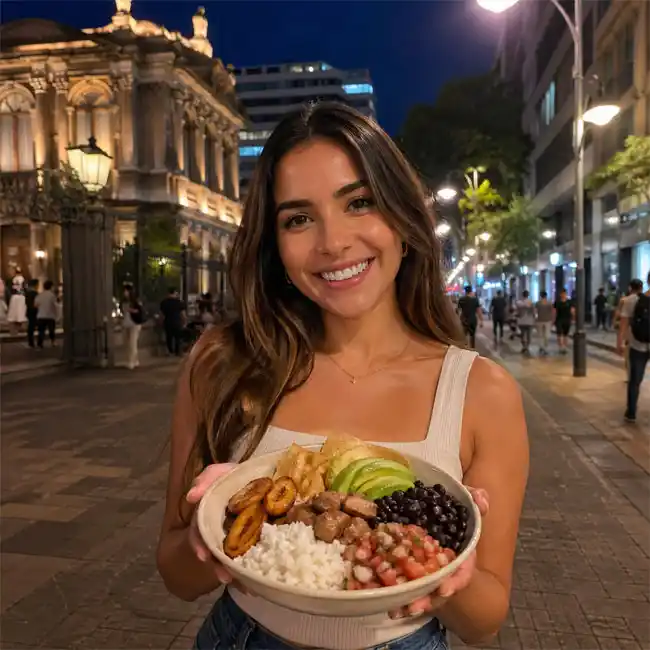
Born in the bars of San José in the 1990s, Chifrijo has quickly become the most famous modern appetizer in the country. The name comes from "Chi" (Chicharrón - fried pork) and "Frijo" (Frijoles - beans). It’s essentially a party in a bowl. It’s salty, citrusy, and filling. It is usually served in a small bowl with a side of tortilla chips, making it the perfect "boca" to enjoy while watching a soccer match or hanging out with friends.
📝 Ingredients & Measurements
• 2 cups of cooked white rice (warm)
• 2 cups of red or black beans (cooked in their broth)
• 500 grams of Pork Belly or Pork Shoulder (cut into small cubes)
• 1 cup of Pico de Gallo (mix of diced tomatoes, onions, cilantro, and lime juice)
• 1 ripe avocado (sliced or diced)
• 1 cup of vegetable oil (for frying the pork)
• 1 teaspoon of salt and pepper
• 1 bag of corn tortilla chips (for serving)
🥣 Step-by-Step Instructions
1.Crisp the Pork: Season your pork cubes with salt and pepper. In a pan, fry the pork over medium-high heat until the fat is rendered and the edges are crispy and golden brown (these are your chicharrones). Set aside.
2.Prepare the Beans: Ensure your beans are warm and have a bit of their cooking liquid (pot liquor) to keep the dish moist.
3.The Assembly: Grab a small bowl for each person. Start with a base layer of 2 tablespoons of white rice.
4.Add the Beans: Pour a generous scoop of beans and a little broth over the rice.
5.The Meat Layer: Add a layer of the crispy fried pork cubes.
6.Fresh Toppings: Top with a big spoonful of Pico de Gallo. The acidity of the tomatoes and lime cuts through the richness of the pork perfectly.
7.The Garnish: Finish with a few slices of avocado and a squeeze of extra lime if you like it zingy.
8.Serve: Tuck a few tortilla chips into the side of the bowl for scooping.
💡 Tips & Mistakes to Avoid
• Freshness is Key: Don't use jarred salsa. The magic of Chifrijo lies in the crunch of freshly chopped onions and tomatoes in the Pico de Gallo.
• The Pork Texture: You want the pork to be crispy on the outside but juicy on the inside. If you overcook it, it becomes "pork rocks" that are hard to chew.
• Rice Ratio: Don't put too much rice! It should be a small base layer, not a heavy meal. The beans and pork should be the stars.
• Warmth: Make sure the rice and beans are piping hot so they contrast with the cold Pico de Gallo.
❓ FAQ
Q1.Can I make a vegetarian version?
Absolutely. Swap the pork for fried cubes of firm tofu or extra avocado and smoked paprika for a similar savory vibe.
Q2.What are the best beans to use?
In Costa Rica, small red beans or black beans are the standard.
Q3.Is this a meal or an appetizer?
It’s technically an appetizer (boca), but honestly, two bowls of this and you’ll be full!
📌 Summary
Chifrijo is the king of Tico bar food. It’s a balanced bowl that offers salt, fat, acid, and heat in every single bite. It’s festive, colorful, and guaranteed to impress your guests.
🍋 Recipe 3: Zesty Costa Rican Fish Ceviche
🥟 About this Recipe
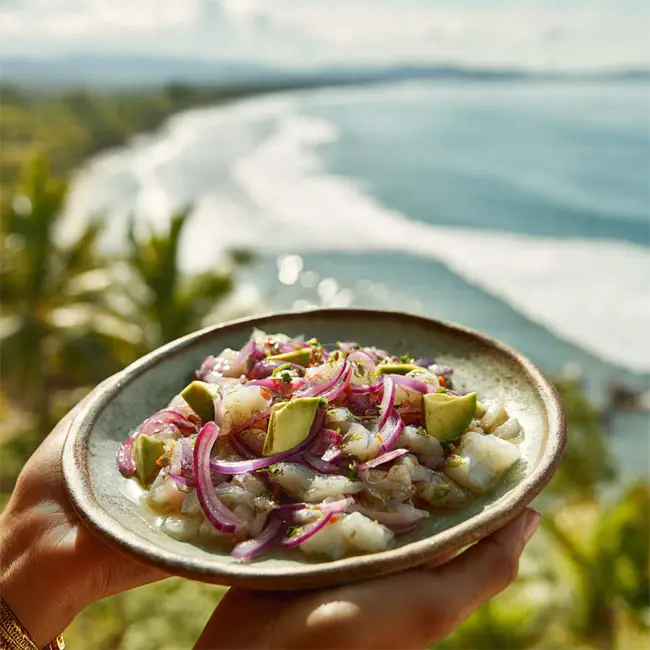
While our neighbors in Peru are famous for their ceviche, the Costa Rican style is a different beast entirely. Tico Ceviche de Pescado is characterized by very finely diced fish and a long marination time in lime juice. It’s often served in a small glass or cup. It is the ultimate "cooling" appetizer for those humid tropical afternoons. It’s light, healthy, and incredibly bright.
📝 Ingredients & Measurements
• 500 grams of firm white fish fillets (Sea Bass, Tilapia, or Corvina)
• 1 cup of fresh lime juice (about 8-10 limes)
• 1/2 cup of finely diced red onion
• 1/2 cup of finely diced red bell pepper
• 1/2 cup of finely chopped fresh cilantro
• 1 teaspoon of finely minced ginger (the secret Tico touch)
• 1/2 teaspoon of salt
• 1/4 cup of ginger ale (optional, used by locals to balance the acidity)
• Soda crackers or plantain chips (for serving)
🥣 Step-by-Step Instructions
1.Prep the Fish: Cut the fish into very small, uniform cubes (about 1/2 centimeter). The smaller the cubes, the faster and more evenly they "cook" in the lime juice.
2.The Citrus Bath: Place the fish in a glass or ceramic bowl (avoid metal!). Pour the lime juice over the fish until it is completely submerged.
3.Add Aromatics: Fold in the diced red onion, bell pepper, cilantro, and minced ginger. Stir gently.
4.The Secret Splash: If you want it authentic, add the splash of ginger ale now. It adds a hint of sweetness and effervescence that balances the sharp lime.
5.Marinate: Cover the bowl and refrigerate. Unlike Peruvian ceviche which is eaten almost immediately, Tico ceviche usually sits for at least 1 to 3 hours until the fish is opaque and "cooked" through.
6.Final Seasoning: Taste and add more salt if needed right before serving.
7.Serve: Scoop into small glasses and serve with a side of salty soda crackers.
💡 Tips & Mistakes to Avoid
• Freshness First: Since the fish isn't cooked with heat, you MUST use the highest quality, freshest fish possible. If it smells "fishy," don't use it.
• Don't Use Metal Bowls: The high acidity of the lime juice can react with metal bowls and give your ceviche a metallic taste. Stick to glass.
• The Squeeze: When juicing your limes, don't squeeze them too hard. If you get into the white pith, the juice becomes bitter.
• Cilantro Stem: Use the leaves and the tender upper stems of the cilantro; that’s where all the flavor is!
❓ FAQ
Q1.Can I use frozen fish?
You can, as long as it was flash-frozen at sea and thawed properly in the fridge.
Q2.How long does it last?
Ceviche is best eaten the day it’s made. By the next day, the fish can become a bit rubbery from the acid.
Q3.What if I don't like raw fish?
Technically, the citric acid denatures the protein, so it is "cooked," but if you're nervous, you can lightly poach the fish for 1 minute before marinating.
📌 Summary
Costa Rican Ceviche is like a tropical breeze in a cup. It’s simple, elegant, and perfectly highlights the incredible seafood of the Central American coastlines.
🌈 Final Thoughts: Your Pura Vida Journey Starts Here
Creating these Costa Rican appetizers at home is more than just following a recipe—it’s about embracing a mindset. The "Pura Vida" way of life is all about slowing down, enjoying the ingredients nature provides, and sharing that joy with the people you love.
None of these recipes are overly complicated or require expensive equipment. All you need is some fresh produce, a little bit of patience, and a lot of heart. I suggest starting with the Patacones since they go with everything, and then working your way up to a full Chifrijo bar for your next party.
Once you try these, I’d love to hear how they turned out! Did you get that perfect crunch on your plantains? Did the ginger ale in the ceviche surprise you? Share your experience and let’s keep the Pura Vida spirit alive in our kitchens. Happy cooking, friend! 🇨🇷✨
| 🇨🇷 🥪 < Back |