
🏠 Home > 🗺️ Recipes > 🥘 Sauces > 🇨🇬 Congo Sauces > 🥘 Soso Ya Sauce (Classic Chicken Stew Base) , Liboké de Poisson (Steamed Fish Parcels) , Madesu (Congolese Bean Stew)
🥘 The Flavor Secret: 3 Essential Congolese Bases and Sauces You Need to Master
Published by Supakorn | Updated: February 2026
Welcome to the Flavor Factory: Your Intro to Central African Sauces
Hey there, fellow food adventurers! If you’ve ever tasted the rich, soulful cuisine of the Congo, you know that the true magic lies in the sauce. In Central Africa, the term "sauce" (M'bika or Sauce) doesn't just mean a thin condiment; it often refers to the entire main stew or rich, savory base that ties the meal together. These sauces are the heart and soul of Congolese cooking, meant to be generously scooped up with staple starches like Fufu, Chikwanga, or fluffy white rice.
Over the last few years, the incredible depth and comfort of Congolese food have started to gain global recognition. People are realizing that this cuisine offers unique, complex flavors using surprisingly simple, pantry-friendly ingredients. While there are famous staples like Moambe and Pondu, we are diving into the heart of everyday home cooking today—the foundation flavors that every Congolese cook masters.
This article is your beginner’s guide to mastering three essential, foundational, and slightly less-mainstream Congolese bases. Get ready to cook:
1.Soso Ya Sauce (Classic Chicken Stew Base): The everyday, savory, and rich tomato-based chicken comfort food.
2.Liboké de Poisson (Steamed Fish Parcels): The elegant, healthy, and aromatic fish "sauce" wrapped and cooked in a bundle.
3.Madesu (Congolese Bean Stew): The hearty, flavorful, and incredibly versatile everyday staple.
Grab your pots and let's get simmering!
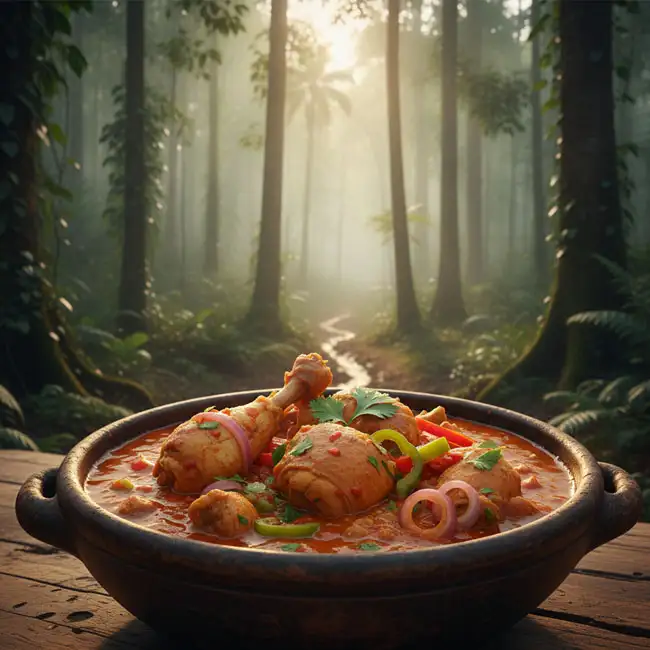
🔹 Recipe 1: Soso Ya Sauce – The Soulful, Everyday Chicken Stew Base
About this Recipe: The Family Favorite Tomato Base
If you want the true taste of a Congolese dinner table, Soso Ya Sauce (literally "Chicken in Sauce") is it. This simple, rustic, yet deeply satisfying chicken stew relies purely on a rich, slow-simmered tomato base, bolstered by aromatic vegetables and often seasoned with the subtle warmth of nutmeg and thyme. It’s the essential flavor profile of Central Africa, distinct from the Moambe's peanut richness.
This recipe is perfect for beginners because it uses familiar ingredients and follows classic stew techniques. The key is in the layering of flavors: first, you sear the chicken for depth, then you sauté your aromatics, and finally, you let everything bubble gently until the chicken is falling off the bone and the tomato sauce has reduced into a thick, glossy, beautiful coating. This dense sauce is what makes a great meal.
Ingredients & Measurements (Serves 4–6)
For the Chicken & Base:
- 2 lbs (about 1 kg) chicken pieces (bone-in thighs or drumsticks for best flavor)
- 1 tsp salt
- 1/2 tsp black pepper
- 2 tbsp vegetable or olive oil (divided)
- 1 large onion, finely chopped
- 4 cloves garlic, minced
For the Rich Sauce:
- 1 (6 oz) can tomato paste
- 1 (14.5 oz) can diced tomatoes, undrained
- 1 cup chicken stock or water
- 1 small bell pepper (any color), chopped
- 1/2 tsp dried thyme
- 1/4 tsp ground nutmeg (essential for that Congolese warmth)
- 1 bay leaf
- 1 bouillon cube (chicken or vegetable)
- 1 scotch bonnet or habanero pepper, left whole (optional, for flavor without intense heat)
Step-by-Step Instructions
1.Prep and Sear: Pat the chicken pieces very dry and season generously with salt and pepper. Heat 1 tbsp of oil in a large pot or Dutch oven over medium-high heat. Sear the chicken in batches until deeply golden brown on all sides (about 3-5 minutes per side). Remove the chicken and set it aside.
2.Build the Aromatics: Reduce the heat to medium. Add the remaining 1 tbsp of oil. Sauté the chopped onion and bell pepper until soft and translucent, about 5 minutes. Add the minced garlic and cook until fragrant, about 30 seconds.
3.Brown the Paste: Stir in the tomato paste. Cook, stirring constantly, for about 3 minutes until the paste darkens slightly from bright red to a brick-red color. This step is crucial for developing sweetness and deep color in the final sauce.
4.Simmer the Sauce: Stir in the diced tomatoes, chicken stock, thyme, nutmeg, and the crushed bouillon cube. Add the bay leaf and the whole scotch bonnet (if using). Bring the mixture to a gentle boil.
5.Stew to Tenderness: Return the seared chicken pieces to the pot. Ensure the chicken is mostly submerged. Reduce the heat to low, cover the pot, and simmer gently for 60 to 75 minutes, or until the chicken is fork-tender and the sauce has thickened significantly. Stir occasionally to prevent sticking.
6.Finish and Serve: Remove the bay leaf and the whole chili pepper. Taste the sauce and adjust salt/pepper if needed. Serve hot!
Tips & Mistakes to Avoid
- Browning is Key: Do NOT skip searing the chicken! This step creates the foundational layer of savory, caramelized flavor (fond) that transfers to the tomato sauce.
- Nutmeg Note: The small addition of ground nutmeg is a signature flavor in many Central African stews, providing a savory warmth that sets it apart from simple Western tomato sauces.
- Bone-In vs. Boneless: Bone-in chicken parts (thighs and drumsticks) provide a much richer flavor and texture to the sauce. If you use boneless chicken, reduce the simmering time to about 30 minutes to prevent the meat from drying out.
FAQ
Q: Can I use vegetable oil instead of red palm oil here?
A: Yes! Soso Ya Sauce is commonly made with neutral cooking oil like olive or vegetable oil, making it an easy, accessible recipe.
Q: What is the benefit of browning the tomato paste?
A: Cooking the tomato paste for a few minutes removes its raw, metallic acidity and concentrates its sweetness and color, resulting in a deeper, more flavorful sauce.
Q: What is the best side dish?
A: This rich sauce is traditionally served with Loso (white rice), or a starchy mash like Fufu or Ugali, which are perfect for soaking up every last drop of the sauce.
Summary
Soso Ya Sauce is the perfect entry point to authentic Congolese stew bases. It’s a robust, flavorful, tomato-based chicken stew that is straightforward to master and a delicious introduction to the savory side of Central African cuisine.
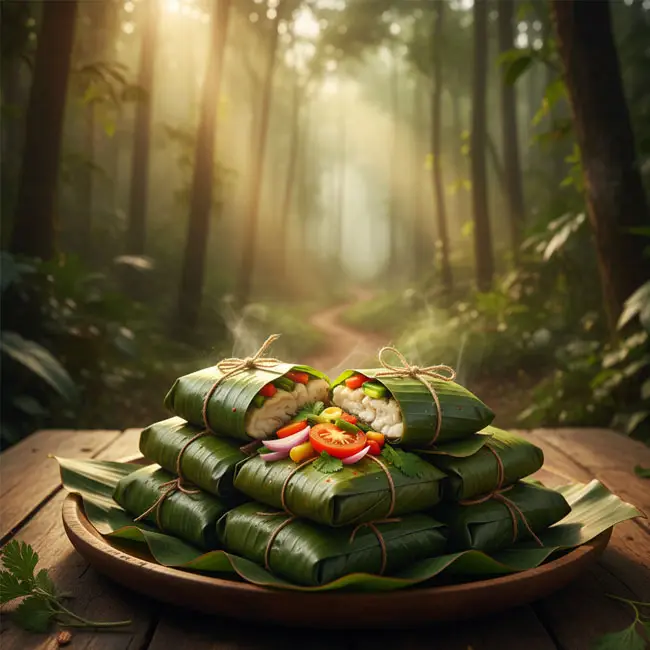
🔹 Recipe 2: Liboké de Poisson – The Aromatic Steamed Fish Parcels
About this Recipe: The Healthy, Elegant Delicacy
Liboké is a method of cooking where food is wrapped in a leaf (usually banana or plantain) and then steamed, smoked, or grilled. Liboké de Poisson (Fish Parcel) is an incredibly healthy, flavorful, and aromatic "sauce" or package that is a staple from the Congo River basin. The fish is seasoned and cooked in its own juices along with vegetables and spices, creating an intensely flavorful, moist, and tender result.
The banana leaf acts as a natural pressure cooker and steamer, trapping all the moisture and the stunning aroma of the seasoning inside. This process creates a natural Aromatic Sauce of steamed vegetable juices, making the fish rich and moist. This recipe is surprisingly easy, requiring minimal active cooking time, and the presentation is elegant, making it perfect for impressing guests.
Ingredients & Measurements (Serves 4)
The Fish & Parcels:
- 4 medium white fish fillets (e.g., Tilapia, Cod, or Hake)
- 4 large squares of banana leaves (or 4 large pieces of parchment paper and aluminum foil)
The Aromatics & Marinade:
- 1 medium onion, thinly sliced
- 2 medium tomatoes, thinly sliced
- 1/2 green bell pepper, thinly sliced
- 4 cloves garlic, minced
- 1 tsp grated fresh ginger
- 1 tsp salt
- 1/2 tsp black pepper
- 1/4 tsp cayenne pepper (or to taste)
- 1 tbsp fresh parsley, chopped
- 2 tbsp olive oil
- Juice of 1/2 lemon
Step-by-Step Instructions
1.Prep the Leaves: If using banana leaves, gently wipe them clean. Briefly pass the leaves over a low gas flame or dip them in boiling water for 10 seconds. This makes them pliable and prevents them from cracking when folding. If using paper/foil, skip this step.
2.Mix the Aromatics: In a large bowl, combine the thinly sliced onion, tomatoes, and bell pepper. Add the minced garlic, grated ginger, salt, pepper, cayenne, and chopped parsley. Drizzle with olive oil and lemon juice. Toss everything gently to combine.
3.Assemble the Parcels: Lay a leaf (or the paper/foil combo) flat. Place a quarter of the vegetable mixture in the center. Place one fish fillet on top of the vegetables. Spoon another quarter of the vegetable mixture over the fish.
4.Wrap Securely: Fold the sides of the banana leaf inward, then the top and bottom, creating a secure, leak-proof parcel (like a tamale or burrito). If using foil, wrap it tightly to create a sealed pocket. The goal is to trap the steam and juices inside.
5.Steam/Bake:
- Steaming (Preferred): Place the parcels in a steamer basket over simmering water, ensuring the water does not touch the parcels. Steam for 20 to 25 minutes, or until the fish is opaque and flakes easily.
- Baking: Place the parcels on a baking sheet and bake in a preheated oven at 375°F ( 190°C) for 25 to 30 minutes.
6.Serve: Serve the Liboké parcels sealed on a plate. The fun part is opening the fragrant package at the table! The rich liquid inside is your "sauce."
Tips & Mistakes to Avoid
- Tenderize the Leaf: Always gently heat the banana leaf before folding. A stiff, cold leaf will crack, allowing the precious juices (the sauce!) to escape.
- Don't Overcook: Fish cooks quickly in this steaming method. Stick to the suggested time to ensure a moist, tender result.
- Juices are the Sauce: The liquid that collects at the bottom of the parcel (the steamed, seasoned vegetable juices) is the sauce. Scoop it out and pour it over the fish and your side dish.
- Seasoning: Be generous with your seasoning and aromatics (ginger, garlic, pepper). The steaming process can mellow the flavors, so a bold seasoning mix ensures a vibrant final taste.
FAQ
Q: Where can I find banana leaves?
A: Look in Asian or African specialty grocery stores, or the frozen section of large international supermarkets. If you can't find them, the foil/parchment method still works for the flavor, just not the aroma!
Q: Can I use different fish?
A: Yes, any firm white fish works well. Shrimp or even firm chunks of chicken can also be prepared Liboké style.
Q: What should I serve with Liboké de Poisson?
A: A classic pairing is Chikwanga (fermented cassava bread) or simple boiled plantains. White rice is also a beautiful choice, absorbing all those delicious fish juices.
Summary
Liboké de Poisson is a beautiful demonstration of simple ingredients transformed by an elegant cooking method. It's healthy, intensely flavorful, and a great way to explore the aromatic side of Congolese cuisine, with its own unique "sauce" created by the steaming process.

🔹 Recipe 3: Madesu – The Hearty, Versatile Bean Stew
About this Recipe: The Everyday Essential
Madesu is the name for beans in Lingala, and it refers to the simple, humble, yet incredibly satisfying bean stew that is a daily staple across the Congo. This is the ultimate weeknight comfort food: inexpensive, highly nutritious, and packed with flavor. Every family has their own version, but the core remains: beans cooked until tender and swimming in a rich, savory tomato base flavored with onions, garlic, and that signature pinch of nutmeg.
This recipe uses canned beans for an easy, beginner-friendly version, saving you the overnight soaking and long boiling time of dried beans. Madesu is often kept entirely vegetarian but can be easily enriched with smoked fish, beef, or even ham hocks for a deeper umami flavor. The key to a great Madesu is letting the flavors simmer together long enough that the bean liquid starts to thicken the tomato sauce naturally, creating a true, hearty stew.
Ingredients & Measurements (Serves 4–6)
The Beans & Liquid:
- 2 (15 oz) cans kidney beans or cannellini beans, rinsed and drained (reserve the bean liquid/aquafaba)
- 1 cup water or vegetable stock
- 1/2 cup reserved bean liquid
The Base & Spices:
- 2 tbsp vegetable oil or olive oil
- 1 medium yellow onion, chopped
- 3 cloves garlic, minced
- 1 (6 oz) can tomato paste
- 1 (14.5 oz) can diced tomatoes, undrained
- 1 tsp salt
- 1/2 tsp ground nutmeg (Crucial for authentic flavor)
- 1/2 tsp paprika
- 2 bay leaves
- 1 bouillon cube (optional)
Step-by-Step Instructions
1.Rinse and Prep: Drain and rinse the canned beans, but make sure to reserve about 1/2 cup of the thick liquid (aquafaba) from the can.
2.Sauté the Aromatics: Heat the oil in a large pot or deep skillet over medium heat. Add the chopped onion and cook until soft and translucent, about 5 minutes. Add the minced garlic and cook for 1 minute until fragrant.
3.Brown the Paste: Stir in the tomato paste. Cook, stirring constantly, for about 3 minutes until the color deepens. This removes the raw flavor.
4.Build the Stew: Stir in the diced tomatoes, water/stock, reserved bean liquid, salt, nutmeg, paprika, bouillon cube (if using), and bay leaves. Bring the sauce to a simmer.
5.Add the Beans: Add the rinsed and drained beans to the pot. Stir gently to combine everything.
6.Slow Simmer to Perfection: Reduce the heat to low, cover the pot, and simmer for 30 to 40 minutes, stirring occasionally. The stew is finished when the sauce has reduced and thickened considerably, and the flavors have completely melded.
7.Serve: Remove the bay leaves before serving. Taste and adjust the salt if necessary.
Tips & Mistakes to Avoid
- The Magic of Nutmeg: The use of a small amount of ground nutmeg is a defining characteristic of Madesu. Do not omit this spice, as it adds a savory, warming note that really makes the dish taste authentic.
- Reserved Liquid: Reserving a bit of the liquid from the canned beans is a great shortcut. This liquid contains starch that helps naturally thicken the final sauce without needing cornstarch or flour.
- Don't Over-Stir: Once the beans are in, stir gently and infrequently. Aggressive stirring will break up the beans, turning the stew into a paste rather than a chunky, rustic dish.
FAQ
Q: I don't have nutmeg. What can I substitute?
A: Nutmeg is essential, but if you absolutely cannot use it, a tiny pinch of allspice or even ginger powder will provide a subtle warmth, though it won't be quite the same.
Q: How do I store leftovers?
A: Madesu is one of those dishes that tastes even better the next day! Store it in an airtight container in the refrigerator for up to 4 days. It also freezes well.
Q: What is the best staple starch to eat with Madesu?
A: Serve it over white rice (Loso na Madesu is a popular pairing) or with boiled plantains, potatoes, or the classic Central African Fufu or Chikwanga.
Summary
Madesu is the perfect example of comfort food versatility. It’s a rich, flavorful tomato-bean stew that is easy for a beginner to master, inexpensive to make, and robust enough to stand up to any starch or side dish.
Final Thoughts: Your Deeper Dive into Congolese Flavor Starts Now
You've done it! You've gone beyond the usual suspects and explored three truly essential, yet distinct, facets of Congolese cooking: the savory warmth of the Soso Ya Sauce base, the aromatic elegance of the Liboké de Poisson fish packets, and the hearty comfort of Madesu.
What’s the biggest takeaway here? That amazing, authentic global food doesn't have to be complicated. Congolese cooking relies on a patient process—simmering and blending simple, high-impact ingredients like tomatoes, garlic, pepper, and humble staples to create truly soulful depth.
These sauces are not just recipes; they are invitations to a culture of sharing, warmth, and flavor. Don't be intimidated by the new techniques! Start with the Madesu for an easy weeknight meal, or try the steaming magic of the Liboké when you're ready for an elegant, healthy dish.
The best part? Once you master these three bases, you can customize them endlessly—swapping out proteins, adjusting the vegetable blend, or simply turning up the heat.
I can’t wait for you to try these incredible flavors. Which sauce will you make tonight? Dive in, try each one, and share your experiences! Happy simmering, my friend!
| 🇨🇬 🥘 < Back |