
🏠 Home > 🗺️ Recipes > 🍨 Desserts > 🇨🇬 Congo Desserts > 🍨 Caakiri (Couscous Pudding) , Simple Cassava Pudding (A Sweet Twist on Congolese Staple) , Sweet Fried Plantains (Makemba)
🍨 Beginner-Friendly Congo Desserts: 3 Sweet Recipes to End Your Meal on a Tropical High
Published by Supakorn | Updated: February 2026
Welcome to the Sweet Side of Congo: Desserts That Tell a Story
Hey there, fellow sweet-tooths!
Central African cuisine, particularly that of the Democratic Republic of Congo (DRC) and the Republic of the Congo (RC), is famous for its rich stews, savory dishes, and starchy staples like fufu and pondu. But trust me, you haven't truly explored Congolese food until you get to the desserts!
Congolese sweet treats are usually simple, relying on readily available ingredients like tropical fruits, dairy, and essential root vegetables. These are the comforting, communal sweets—the quick puddings, the street-side snacks, and the home-cooked simple joys that perfectly balance out a spicy meal or provide a much-needed energy boost mid-day. They don't require complicated baking techniques, making them perfect for us home cooks.
This guide is your passport to the best of Congolese sweet delights. We’re going to master three popular, easy, and authentic recipes that will transport you straight to Kinshasa or Brazzaville:
1.Caakiri (Couscous Pudding): A creamy, cool, and quick pudding that’s ready in minutes.
2.Simplified Cassava Pudding (Inspired by Tshomba tsha Kabiola): A rich, comforting dessert that uses the DRC’s staple root.
3.Sweet Fried Plantains (Makemba): Simple caramelized slices that are pure tropical gold.
Ready to transform your kitchen into a sweet African haven? Let’s dive into these recipes!

🔹 Recipe 1: Caakiri – The Creamy, Tangy Couscous Pudding
About this Recipe: A Quick and Refreshing Delight
If you’re looking for a dessert that’s fast, requires zero oven time, and is incredibly refreshing, Caakiri is your new best friend. Popular in the Congo and parts of West Africa, this simple pudding takes a humble base—couscous—and transforms it into a creamy, cool, and slightly tangy dessert by mixing it with a blend of dairy and spices.
It’s the ultimate 15-minute dessert, making it ideal for a quick weeknight treat or a refreshing end to a big dinner. It’s also highly customizable; you can adjust the sweetness and swap out the spices and toppings to suit your preference. Served cold, it’s a beautifully simple finish that is uniquely Congolese.
Ingredients & Measurements (Serves 4)
- Couscous: 1 cup uncooked fine-grain "Moroccan" couscous
- Water: 1 cup boiling water
- Salt: ⅛ teaspoon fine salt
- Evaporated Milk: ½ cup (about 120ml) evaporated milk (or regular milk for a lighter texture)
- Yogurt: ½ cup vanilla or plain Greek yogurt
- Sour Cream: ¼ cup (about 60ml) sour cream (for the traditional tang!)
- Sugar: 2-3 tablespoons granulated sugar (adjust to your taste)
- Vanilla: ½ teaspoon vanilla extract
- Spices: ¼ teaspoon ground nutmeg or cardamom (or a mix of both)
- Topping: ½ cup crushed pineapple (canned or fresh) or chopped fruit
Step-by-Step Instructions
1.Cook the Couscous: Bring the 1 cup of water and salt to a boil in a small pot. Remove the pot from the heat immediately, pour in the couscous, stir quickly, and cover the pot tightly with a lid. Let it steam for 5 minutes until all the water is absorbed and the couscous is tender and fluffy.
2.Cool Down: Fluff the couscous with a fork and spread it out on a plate to help it cool down to room temperature quickly. It is essential that the couscous is cool before you mix in the dairy.
3.Mix the Wet Ingredients: While the couscous is cooling, combine the evaporated milk, yogurt, sour cream, sugar, vanilla, and nutmeg (or cardamom) in a medium bowl. Whisk everything together until the mixture is smooth and the sugar is dissolved.
4.Combine and Stir: Once the couscous is fully cooled, add it to the dairy mixture. Use a wooden spoon or spatula to gently fold everything together until the couscous is evenly coated and the pudding is uniformly mixed.
5.Chill and Serve: Spoon the Caakiri into individual serving bowls. Cover them and chill in the refrigerator for at least 30 minutes. This allows the flavors to meld and the pudding to set slightly.
6.Garnish: Just before serving, top the Caakiri with crushed pineapple, a sprinkle of extra nutmeg, or any fresh fruit like sliced mango or berries. Enjoy this cool, creamy treat!
Tips & Mistakes to Avoid
- Cool the Couscous First: This is the most important tip! If you add the dairy to hot couscous, the heat will break the yogurt and sour cream, resulting in a runny, grainy texture instead of a smooth pudding.
- Use Fine Couscous: Moroccan or "fine" couscous is best for this recipe, as it results in a more delicate, pudding-like texture than the larger, pearl-like varieties.
- Adjust Sweetness Last: Start with a little sugar, then mix and taste. You can always add more sugar, but you can’t take it out! The evaporated milk already adds some natural sweetness.
- Get Creative with Toppings: While pineapple is traditional and delicious, feel free to use golden raisins, shredded coconut, or even a drizzle of honey to make it your own.
FAQ
Q: Can I use plain yogurt instead of Greek yogurt?
A: Yes, but Greek yogurt is thicker and contributes to the overall rich, creamy texture of the pudding. If you use plain yogurt, you might want to reduce the amount of evaporated milk slightly.
Q: What gives Caakiri its tangy flavor?
A: That signature slight tang comes from the combination of the plain yogurt and sour cream. It’s a wonderful contrast to the sweetness and spices!
Q: How long can I store leftover Caakiri?
A: It should be stored in an airtight container in the refrigerator and is best eaten within 2-3 days. The flavor actually gets better after a few hours of chilling!
Summary of Caakiri
Caakiri is the perfect example of how Congolese cuisine uses humble ingredients to create a sophisticated and satisfying dessert. It’s fast, cold, creamy, and tangy—everything you want on a hot day or after a heavy meal.

🔹 Recipe 2: Simple Cassava Pudding (A Sweet Twist on Congolese Staple)
About this Recipe: Comforting and Peanutty
While the traditional Congolese sweet known as Tshomba tsha Kabiola involves fermenting cassava, this version offers a simplified, approachable pudding that captures the earthy richness of the root vegetable while adding the traditional flavors of peanuts, milk, and sugar. Cassava (also known as yuca or manioc) is a staple starch in the Congo, and this dessert gives it a sweet and creamy spotlight.
This recipe uses readily available grated or flour-based cassava products to create a warm, comforting, and uniquely textured pudding. The addition of peanuts and sweet condensed milk makes it rich and deeply satisfying—a true taste of Central African comfort food.
Ingredients & Measurements (Serves 4-6)
- Cassava: 2 cups grated fresh or frozen cassava (or 1 cup cassava flour)
- Milk: 1 cup coconut milk (or evaporated milk for extra richness)
- Water: 1 cup water
- Sweetener: ½ cup sweet condensed milk (or ½ cup granulated sugar)
- Peanuts: ½ cup unsalted, crushed roasted peanuts
- Vanilla: 1 teaspoon vanilla extract (optional)
- Butter: 1 tablespoon butter
- Salt: Pinch of salt
Step-by-Step Instructions
1.Prep the Cassava: If using fresh or frozen grated cassava, place it in a fine-mesh sieve and rinse thoroughly with cold water. If using cassava flour, skip the rinsing step.
2.Cook the Base: In a medium saucepan, combine the water and coconut milk. Bring the mixture to a simmer over medium heat.
3.Add Cassava: Slowly whisk in the grated cassava or cassava flour to prevent lumps. Add the pinch of salt and the butter. Continue stirring continuously to prevent the mixture from sticking to the bottom of the pan.
4.Thicken: Keep cooking and stirring for about 8 to 10 minutes. The mixture will begin to thicken significantly and pull away from the sides of the pan, forming a heavy, sticky pudding.
5.Sweeten and Flavor: Remove the pot from the heat. Stir in the sweet condensed milk (or sugar) and the vanilla extract. Taste and adjust the sweetness as needed.
6.Stir in Peanuts: Finally, stir in the crushed roasted peanuts. This gives the pudding a lovely texture and that classic Congolese flavor pairing.
7.Serve: Spoon the warm pudding into small bowls. Serve immediately, perhaps with a sprinkle of extra peanuts or a dash of cinnamon on top.
Tips & Mistakes to Avoid
- Stir Constantly: Cassava starch is notorious for sticking and burning. Once the cassava is added, you must stir continuously to achieve a smooth, lump-free, and creamy texture.
- Adjust Consistency: If your pudding seems too thick, add a tablespoon or two of milk until you reach your desired consistency. If it's too thin, simmer for a few more minutes, stirring vigorously.
- Safety First (Fresh Cassava): If you are using raw, fresh cassava root, ensure it is thoroughly cooked, as it contains trace amounts of cyanide until cooked. This recipe requires thorough cooking over heat to be safe.
- Peanut Perfection: Roasting the peanuts yourself (if they aren't already roasted) before crushing them will significantly boost their flavor and fragrance in the dessert.
FAQ
Q: Where can I find grated cassava or cassava flour?
A: Look in the international foods section of your grocery store, specifically the African, Latin American, or Caribbean sections. Cassava is often sold frozen, peeled, and grated.
Q: Can I replace the coconut milk?
A: You can use evaporated milk, whole milk, or even a non-dairy milk like almond milk, but coconut milk provides an authentic tropical richness that complements the cassava and peanuts wonderfully.
Q: Is this pudding served hot or cold?
A: This style of cassava pudding is traditionally served warm, as the texture is at its creamiest. However, it can also be cooled and served chilled, where it sets into a firmer sliceable block.
Summary of Simple Cassava Pudding
This simplified Cassava Pudding brings the deep, comforting flavors of the Congo's staple food, cassava, into a delightful dessert. It’s warm, nutty, creamy, and the perfect comforting treat on a cool evening.
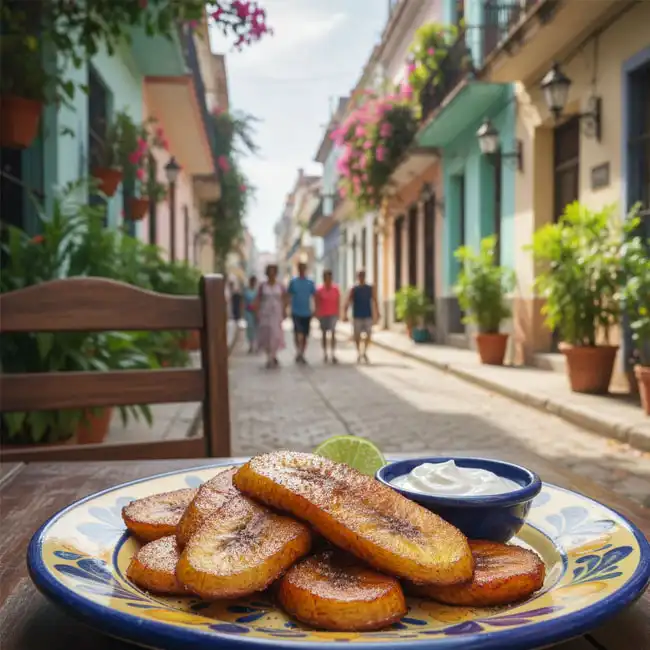
🔹 Recipe 3: Sweet Fried Plantains (Makemba) – Caramelized Perfection
About this Recipe: Tropical Comfort Food
Sweet Fried Plantains, known as Makemba or sometimes just fried plantain, are arguably the most universally loved sweet side dish and snack across Central and West Africa. They are incredibly easy to make, require only two ingredients, and are the definition of sweet, caramelized tropical goodness.
Plantains look like bananas but are starchier and less sweet until they are very ripe. The key here is to use very ripe plantains—the skin should be almost entirely black. At this stage, the starches have converted to sugars, and when fried, they caramelize beautifully, yielding a soft, candy-like interior and a slightly crispy edge. They're often served as a sweet side, but make a phenomenal, quick dessert.
Ingredients & Measurements (Serves 4)
- Plantains: 3 very ripe plantains (skin should be black or nearly black)
- Oil: ½ cup vegetable or neutral oil (enough to coat the bottom of the pan)
- Optional: A pinch of cinnamon or a light sprinkle of sugar
Step-by-Step Instructions
1.Peel the Plantains: Slice off the ends of the plantains. Use a sharp knife to score a shallow line down the length of the skin, and then peel the skin off.
2.Slice: Slice the plantains diagonally into medium-sized slices, about ½ inch (1.2cm) thick. Diagonally slicing gives you more surface area for that beautiful caramelization.
3.Heat the Oil: Heat the oil in a large skillet or frying pan over medium heat. You don't need deep-frying oil, just enough to coat the bottom generously.
4.Fry the Plantains: Once the oil is hot (it should shimmer slightly), carefully place the plantain slices into the pan. Do not overcrowd the pan; work in batches if necessary.
5.Cook to Golden: Fry for about 3-5 minutes per side. Wait until the underside is a rich golden-brown color before flipping. They should look soft and caramelized.
6.Drain and Serve: Remove the plantains with a slotted spatula and place them on a paper towel-lined plate to soak up any excess oil.
7.Serve: Serve immediately while hot and slightly sticky. You can add an optional sprinkle of cinnamon-sugar or just a dash of fine salt to enhance the flavor.
Tips & Mistakes to Avoid
- Ripeness is Everything: You must use very ripe plantains. Green or yellow plantains will taste starchy and won't caramelize—they are used for savory dishes. Black skin is your green light!
- Medium Heat Only: Frying over too-high heat will burn the sugars on the outside before the inside softens. Medium heat allows the interior to soften and the exterior to caramelize slowly.
- Serve Hot: While they are still good when cool, the soft, gooey center and crispy exterior are best enjoyed right after frying.
- Simple is Best: These plantains have such a rich, natural sweetness that they don't need much. A simple dash of salt or cinnamon is all that’s required.
FAQ
Q: Are plantains the same as bananas?
A: No, they are botanically related but are a starchy vegetable, not a fruit. They must be cooked before eating. Unlike bananas, they are starchy and low-sugar when green, and only become sweet when they are completely ripe (black).
Q: My plantains are sticking to the pan, what should I do?
A: This usually means the pan wasn't hot enough, or you didn't use enough oil. Ensure the oil is shimmering before the plantains go in, and don't try to flip them until they have developed a caramelized crust (about 3-4 minutes).
Q: What is a great dipping sauce for sweet plantains?
A: Try serving them with a scoop of vanilla ice cream, or for a tart contrast, a dollop of crème fraîche or Greek yogurt.
Summary of Sweet Fried Plantains
Makemba is the easiest and perhaps most satisfying tropical dessert you can make. It celebrates the natural sweetness of the plantain, turning a simple slice of fruit into a rich, caramelized treat perfect for sharing.
Final Thoughts: Your Sweet Journey Has Just Begun
And there you have it! You’ve successfully navigated the sweet landscape of Congolese cuisine, from the cool, quick tang of Caakiri to the warm, nutty comfort of our Cassava Pudding, and the caramelized joy of Makemba (Sweet Fried Plantains).
The best part about these recipes is their simplicity. You don't need to shop for obscure ingredients or master complex pastry techniques. Congolese sweets are all about letting simple, wholesome ingredients shine, whether it's through the creamy blend of dairy and grain, the earthy richness of the cassava root, or the caramelization of tropical fruit.
Don't feel pressured to try all three at once! Start with the one that excites you the most—maybe the quick satisfaction of Caakiri—and then move on to the others. Cooking is a journey, and every step, even a sweet one, is worth celebrating.
We’d love to know what you cooked! Did your Cassava Pudding come out perfectly creamy? Did you find the perfect ripe plantains? Drop us a comment and share your sweet Congolese cooking experience!
| 🇨🇬 🍨 < Back |