
🏠 Home > 🗺️ Recipes > 🍞 Breads > 🇨🇱 Chile Breads
🇨🇱 🍞 Chile Breads Recipes
Published by Supakorn | Updated: May 2026
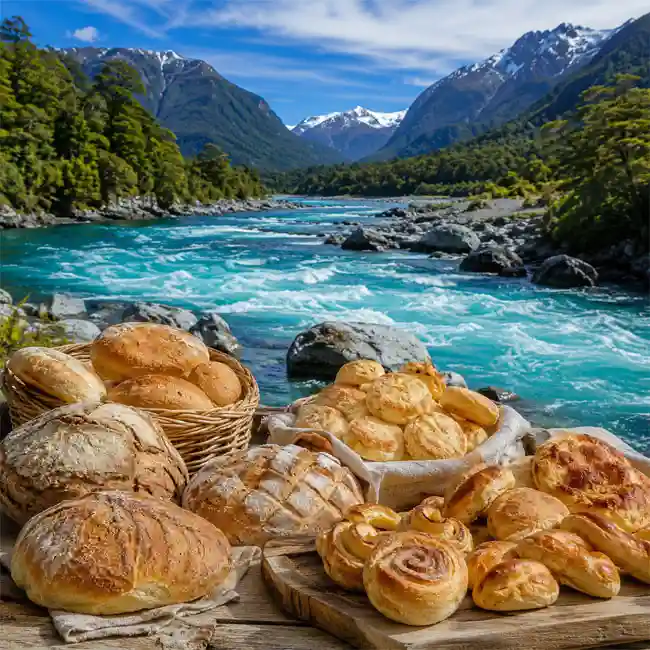
If there is one thing you need to know about Chileans, it is this: we absolutely adore our bread. In fact, Chile is consistently ranked as one of the top consumers of bread globally, often rubbing shoulders with Germany for the number one spot. It’s not just a side dish here; it’s a lifestyle, a ritual, and the warm, golden heart of every home.
When you walk through the streets of Santiago or a sleepy coastal village in the south, the scent hits you before you even see the bakery—that unmistakable aroma of yeast, flour, and toasted crust. Whether it’s the morning rush or the sacred afternoon Once (the Chilean version of high tea), bread is the undisputed guest of honor.
In this guide, we’re going to explore the fascinating world of Chile’s iconic breads. We’ll look at how these golden loaves shaped a nation’s culture, the best spots to find them, and why the "panaderías" are the true social hubs of the country.
🇨🇱 🥖 The Cultural Heartbeat: Why Bread is Life in Chile
To understand Chile, you have to understand the Once. Derived from the word for "eleven," this late-afternoon meal is where the magic happens. Families gather, the teapot whistles, and a mountain of fresh bread is placed in the center of the table. This tradition is so deeply ingrained that it bridges generations; it’s where news is shared, jokes are told, and bonds are strengthened.
The history of bread in Chile is a beautiful blend of indigenous traditions and European influences. While the Spanish brought wheat, later waves of German and French immigrants introduced the techniques that led to the diverse textures we see today. But Chileans took these influences and made them something entirely unique. The result? A bakery culture that is rugged, comforting, and incredibly consistent.
🥐 Iconic Must-Try Breads of Chile
🥖 The King of the Table: Marraqueta
If Chile had a national symbol made of flour, it would be the Marraqueta. Also known as Pan Batido or Pan Francés depending on which part of the country you’re in, this is the gold standard. It’s a crusty, pull-apart roll divided into four segments. The exterior is wonderfully crunchy, while the inside is airy and light. It’s the perfect vessel for a generous smear of mashed avocado (palta).
🥯 The Daily Staple: Hallulla
While the Marraqueta is airy, the Hallulla is dense, round, and slightly buttery. It’s a flat, perforated bread that feels substantial. It doesn’t have the "crunch" of a Marraqueta, but it has a silky crumb that holds up perfectly under a thick slice of cheese or ham. It’s the reliable friend of the Chilean breakfast table.
🏡 The Rustic Hero: Pan Amasado
This is the soul of the Chilean countryside. Pan Amasado literally translates to "kneaded bread." Traditionally baked in outdoor clay ovens (hornos de barro), these round loaves have a smoky, rustic flavor and a heavy, satisfying texture. Finding a roadside stand selling warm Pan Amasado in the valleys of central Chile is a spiritual experience for any food lover.
🥟 The Savory Surprise: Churrascas
Often found at street stalls or during festive gatherings, Churrascas are quickly cooked on a hot grill or skillet. They are unleavened, thin, and slightly charred. Because they don’t require an oven, they are the go-to bread for quick snacks on the go, often served warm and topped with fresh tomato and herbs.
🗺️ Bread and Tourism: A Journey Through the Senses
Food and travel are inseparable in Chile. If you are planning a trip, your itinerary will likely be dictated by the local dough.
In the Central Valley, the bread is influenced by the agricultural heartland. Here, the Pan Amasado is king, often served alongside fresh farm butter. As you move toward the Coastal Regions, you’ll find that bread becomes the essential companion to the ocean’s bounty. There is nothing quite like a fresh Chilean sandwich served on a Marraqueta while looking out over the Pacific.
In the South (Patagonia and Chiloé), the German influence becomes more apparent. You’ll find heavier, grainier loaves and the famous "Milcao" (a traditional potato bread from Chiloé), which reflects the rugged, resilient nature of the southern islands. Traveling through Chile is essentially one long "bread crawl," and every region has a local baker who claims to have the secret to the perfect crust.
🏘️ The Living Traditions of the Panadería
The local bakery, or Panadería, is more than just a shop. It’s a community landmark. In many neighborhoods, the bread is delivered or baked fresh twice a day—once for the morning and once specifically for the Once.
Seeing people walk home with a brown paper bag tucked under their arm, the heat of the fresh bread radiating through the paper, is one of the most common sights in Chile. It’s a reminder that even in a fast-paced modern world, some things—like the need for a warm loaf of bread—remain unchanged.
✨ Why You’ll Fall in Love with Chilean Breads
The beauty of Chile’s bread culture lies in its simplicity. It isn't about fancy ingredients or complicated garnishes. It’s about flour, water, salt, and yeast, handled with a level of respect that has been passed down through centuries.
Whether you are a casual traveler or a dedicated foodie, the breads of Chile offer a window into the warmth and hospitality of the people. It’s a humble food that carries the weight of history and the joy of daily connection.
🏗️ Regional Variations and Local Secrets
⛰️ High Altitude Baking in the North
In the arid Atacama region and the northern highlands, bread takes on a different character. Because of the altitude and the dry air, bakers have adapted their techniques. You might find breads that are slightly denser, often made with local grains or served with goat cheese, reflecting the Andean heritage of the area.
🌊 Coastal Delights
If you find yourself in Valparaíso, the "Pan Batido" is legendary. Local residents argue that the sea air and the specific humidity of the port city give the bread a unique crunch that you simply can't find in the capital. It’s a point of local pride, and rightfully so.
🌲 The German Legacy in the Lake District
Cities like Frutillar and Puerto Varas offer a "Brot" culture that blends Chilean soul with German precision. Here, you’ll find sourdoughs and rye-influenced loaves that pair perfectly with the lush, green landscapes and cool, rainy afternoons.
🧺 How to Eat Like a Local
If you want to truly experience Chile Breads, follow these "unspoken rules":
1.The Palta Priority: Always have fresh avocado (palta) ready. A Marraqueta without palta is like a day without sunshine.
2.Freshness is Key: Bread is bought daily. Day-old bread isn't thrown away, though—it’s turned into delicious puddings or toasted for soups.
3.The "Once" is Sacred: If a Chilean invites you to Once, say yes. It’s the ultimate way to experience the bread culture in its natural habitat.
4.Listen for the Crunch: A good Marraqueta should "sing" when you squeeze it. That crackling sound is the sign of a perfect bake.
⛔❓ FAQ
Q1: Why is bread so popular in Chile compared to other Latin American countries?
A: Chile has a strong European influence, particularly from Spain, France, and Germany, all of whom brought deep-seated baking traditions. Additionally, wheat grows exceptionally well in Chile’s central climate, making bread an affordable and accessible staple for everyone.
Q2: Can I find these breads outside of Chile?
A: While some specialty Latin bakeries in the US or Europe might attempt Marraquetas or Hallullas, the "real deal" is hard to replicate due to local water minerals, specific flour types, and the traditional high-heat ovens used in Chilean panaderías. It’s one of those foods that truly tastes best at the source!
🍞 Discover the Heartwarming World of Traditional Chilean Bread
👉 Master 3 Iconic Chilean Specialty Breads
| 🌐 🍞 < Back | 🇨🇱 🥗 < Previous | Next > 🍱 🇨🇱 |