
🏠 Home > 🗺️ Recipes > 🥘 Sauces > 🇨🇲 Cameroon Sauces > 🥘 1.Creamy Ndolé Sauce (The Peanut & Bitterleaf Masterpiece) , 2.Achu Yellow Sauce (The Golden Velvety Emulsion) , 3.Mbongo Tchobi (The Legendary Black Sauce)
🥘 Elevate Your Kitchen: 3 Legendary Cameroonian Sauces You Can Make at Home
Published by Supakorn | Updated: March 2026
🌐📚 Introduction: Why the World is Falling in Love with Cameroonian Flavors 🇨🇲 🥘
Have you ever wondered what makes African cuisine so incredibly comforting and deep in flavor? While many people are familiar with Jollof rice or Peri-Peri chicken, there is a "hidden gem" in the heart of Central Africa that foodies are just starting to discover: Cameroon. Often called "Africa in Miniature," Cameroon offers a culinary map that is as diverse as its landscape. But if you ask any local, they’ll tell you the real secret isn't in the meat or the starch—it’s in the sauce.
In Cameroon, a sauce isn't just a side dish. It is the soul of the meal. It’s a complex, slow-simmered blend of indigenous seeds, wild-harvested herbs, and nutrient-rich oils. Recently, these recipes have started popping up in trendy African fusion restaurants in cities like Paris and Brussels because they offer "umami" flavors that you just can't find in Western cooking.
In this guide, I’m going to show you how to recreate the top 3 most craved sauces in Cameroon. These were once family secrets passed down through generations, but today, I’m helping you bring them into your own kitchen:
🥘 • Recipe 1: Ndolé Sauce: The creamy, nutty, and savory national treasure.
🥘 • Recipe 2: Achu Yellow Sauce: A vibrant, velvety, and spicy golden emulsion.
🥘 • Recipe 3: Mbongo Tchobi: The mysterious, smoky "Black Sauce" that defines coastal luxury.
Don’t worry if these names sound exotic! I’ve reimagined these recipes so you can find the ingredients easily and master the techniques like a pro. Are you ready to make your kitchen smell like a tropical paradise? Let’s get started!
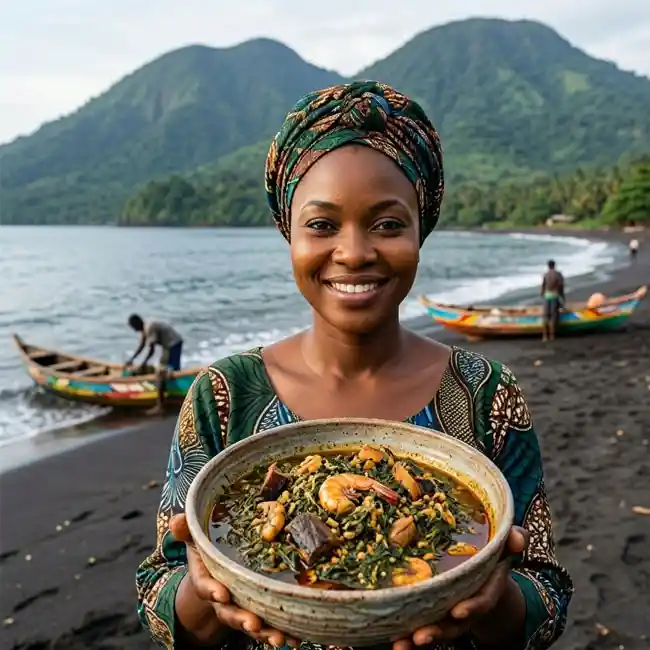
🍃 Recipe 1: Creamy Ndolé Sauce (The Peanut & Bitterleaf Masterpiece)
🥘 About this Recipe
If Cameroon had a "National Sauce," Ndolé would be it. It’s a rich, thick, and incredibly savory sauce made from a base of blanched peanuts and washed bitterleaves. What makes everyone crave it is the balance—the slight hint of bitterness from the leaves is perfectly offset by the creamy, sweet nuttiness of the peanuts. It’s traditionally served with "Miondo" (cassava sticks) or fried plantains. It’s more than just a sauce; it’s a celebration on a plate.
🧂 Ingredients & Measurements
• 3 cups of Raw peanuts (skins removed, soaked in water for 4 hours)
• 2 cups of Fresh or frozen Bitterleaves (washed thoroughly to remove bitterness)
• 500 grams of Beef chunks or cleaned Shrimp (your choice of protein)
• 1 large Red onion (half diced, half sliced for garnish)
• 3 cloves of Garlic (minced)
• 1 tablespoon of Fresh ginger (grated)
• 1 tablespoon of Ground crayfish (for that essential savory depth)
• 2 tablespoons of Vegetable oil
• 1 liter of Beef stock or water
• 1/2 teaspoon of Salt
🥣 Step-by-Step Instructions
1.The Nut Base: Blend your soaked peanuts with 1 cup of water until you have a very smooth, thick paste.
2.Simmer the Base: In a large pot, bring your stock to a boil. Stir in the peanut paste. Reduce heat to medium and cook for 15 minutes, stirring constantly so it doesn't burn.
3.The Greens: Stir in the bitterleaves. If they are fresh, ensure you have squeezed them under running water several times until the water is no longer dark green.
4.Aromatics: In a small frying pan, sauté the diced onions, garlic, and ginger until they are soft and fragrant. Stir this into the main pot.
5.Add Protein: Add your pre-cooked beef chunks or raw shrimp into the sauce.
6.Seasoning: Stir in the crayfish and salt. Let everything simmer on low heat for another 10 minutes until the sauce thickens and the flavors marry.
7.The Garnish: Fry the sliced onions in a little oil until golden and pour them (oil and all!) over the top of the sauce just before serving.
💡 Tips & Mistakes to Avoid
• Patience with Bitterleaf: If you don't wash the bitterleaves enough, the sauce will be too bitter to eat. If you can't find bitterleaf, a 50/50 mix of spinach and kale is a great "home edition" substitute.
• Keep Stirring: Peanut sauce is heavy and likes to stick to the bottom of the pot. Don't walk away from the stove!
• The "Oil Sizzle": The final step of pouring hot oil and onions over the top is what gives Ndolé its professional, restaurant-quality finish.
• Don't Overcook Shrimp: If using shrimp, add them in the last 5 minutes so they stay juicy and tender.
❓ FAQ
Q1: Is Ndolé a soup or a stew?
A: It’s technically a thick sauce, but it’s hearty enough to be eaten as a main meal with a side of starch.
Q2: Can I use peanut butter?
A: You can use 100% natural peanut butter (no sugar added), but the texture won't be as authentic as blending whole raw peanuts.
✅ Summary
Ndolé is the king of Cameroonian sauces. It’s hearty, healthy, and offers a unique flavor profile that will definitely impress your dinner guests.

🟡 Recipe 2: Achu Yellow Sauce (The Golden Velvety Emulsion)
🥘 About this Recipe
Achu Yellow Sauce is a visual and culinary wonder. Hailing from the Northwest Region, it is a bright yellow, silky sauce made from a magical reaction between palm oil and a traditional alkaline salt. It’s famous for its spicy-tart flavor and its unique "slippery" texture that makes it perfect for dipping. In Cameroon, it’s traditionally served in a ring of pounded cocoyams, making it look like a golden lake of flavor.
🧂 Ingredients & Measurements
• 1 cup of Unrefined Red Palm Oil
• 1 teaspoon of Limestone (Limba) or Baking Soda (mixed with a little water to create the emulsion)
• 1.5 liters of Meat stock (beef or goat meat works best)
• 2 tablespoons of "Achu Spice" mix (this includes four-corner spice, ginger, and garlic)
• 1 teaspoon of Ground hot chili (Habanero or Scotch Bonnet)
• 1 tablespoon of Ground crayfish
• 1/2 teaspoon of Salt
• 300 grams of Assorted boiled meats (tripe, skin, and beef)
🥣 Step-by-Step Instructions
1.Warm the Oil: Pour the red palm oil into a large bowl. You don't need to heat it on the stove; just make sure it’s at room temperature and liquid.
2.The Magic Emulsion: Slowly add your limestone water or baking soda solution to the oil while whisking vigorously. You will see the oil change from bright red to a creamy, opaque yellow. This is the "Yellow Sauce" base!
3.Flavor Infusion: Gradually whisk in your warm meat stock. The sauce will thin out and become velvety.
4.Spice it Up: Stir in the Achu spice mix, the ground chili, crayfish, and salt.
5.Add the "Obstacles": Add your pre-cooked meat chunks into the sauce.
6.Gentle Heat: If the sauce has cooled down too much, you can place the bowl over a pot of steaming water (like a double boiler) to warm it up. Do not boil it directly or the emulsion will break!
💡 Tips & Mistakes to Avoid
• Temperature Control: If you boil the yellow sauce after the emulsion is made, it will turn back into red oil. Always keep it at a gentle, warm simmer.
• The Whisking Technique: You must whisk constantly while adding the stock to ensure the oil and water-based stock don't separate.
• Stock Quality: The better your meat stock, the better the sauce. Slow-boil your beef with onions and garlic beforehand for a rich base.
• The "Limba" Substitute: If you can't find traditional limestone, a mixture of baking soda and a little lemon juice can help trigger the color change.
❓ FAQ
Q1: Why is it called "Yellow" sauce?
A: The alkaline reaction changes the natural pigments in the red palm oil to a vibrant yellow/orange.
Q2: Is it very spicy?
A: Traditionally, yes! But since you’re making it at home, you can control the chili levels.
✅ Summary
Achu Yellow Sauce is a stunning, sophisticated sauce that brings the royal flavors of the Cameroonian grasslands to your table. It’s a true conversation starter!
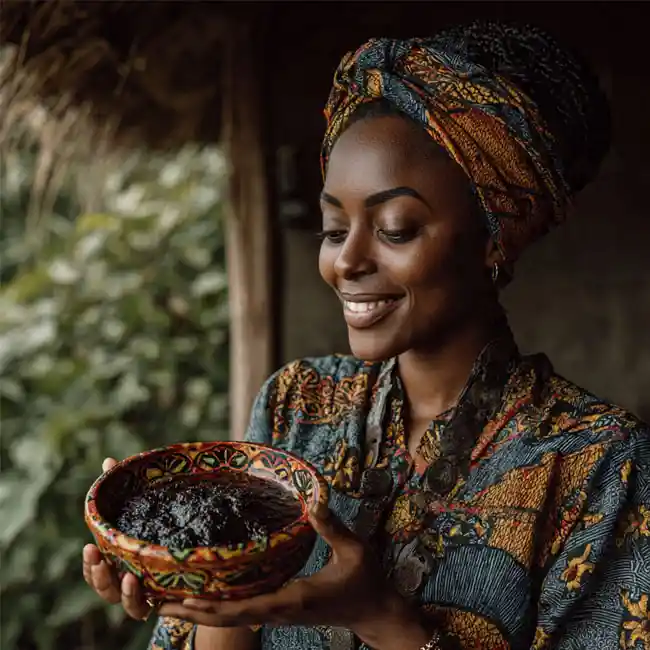
🖤 Recipe 3: Mbongo Tchobi (The Legendary Black Sauce)
🥘 About this Recipe
Mbongo Tchobi is perhaps the most intriguing "hidden gem" of the coastal Bassa people. It is a deep, dark black sauce that looks like charcoal but tastes like a spicy, woody, and earthy dream. The color comes from charring indigenous spices until they are black. It is the ultimate luxury sauce, usually reserved for special guests and traditionally prepared with fresh catfish.
🧂 Ingredients & Measurements
• 1 cup of Mbongo Spice powder (made from charred barks and seeds like Hiomi and Pebe)
• 2 large Fresh Catfish or Snapper (cut into steaks)
• 3 large Tomatoes (blended)
• 1 large Onion (blended)
• 1 tablespoon of Ginger-Garlic paste
• 1/2 cup of Vegetable oil
• 1 liter of Water
• 1 teaspoon of Salt
• 1/2 teaspoon of Black pepper
🥣 Step-by-Step Instructions
1.The Base: In a large pot, heat the vegetable oil. Pour in the blended tomatoes, onions, and ginger-garlic paste. Fry this mixture for 10 minutes until the water evaporates.
2.The Black Magic: Stir in the Mbongo spice powder. The sauce will immediately turn a dark, beautiful black.
3.Simmer: Add the water and bring the sauce to a gentle boil. Let it cook for 15 minutes to allow the charred spices to fully release their smoky aroma.
4.Poach the Fish: Season your fish steaks with salt and black pepper, then gently slide them into the black sauce.
5.The Finish: Reduce the heat to low and let the fish poach in the sauce for about 10-12 minutes. Be careful not to break the fish when stirring.
6.Resting Time: Turn off the heat and let the Mbongo sit for 5 minutes. The flavors deepen significantly as it rests.
💡 Tips & Mistakes to Avoid
• Charred Spice Sourcing: You can find "Mbongo Spice" pre-mixed in most African grocery stores. Trying to char your own barks at home can be difficult and smoky!
• Fresh Fish Only: This sauce is best with fresh, oily fish like catfish or mackerel. The fat from the fish blends beautifully with the smoky spices.
• Consistency: The sauce should be thick enough to coat the back of a spoon. If it's too watery, let it simmer uncovered for a few more minutes.
• Gentle Stirring: Use a wooden spoon and move the fish very carefully; you want beautiful, whole steaks on the plate.
❓ FAQ
Q1: Does it taste like charcoal?
A: Not at all! It has a unique, earthy, and slightly spicy flavor with a deep "umami" kick.
Q2: Can I use meat instead of fish?
A: Yes, beef Mbongo is also popular, but fish is the traditional and most craved version.
✅ Summary
Mbongo Tchobi is a culinary masterpiece that challenges your perceptions of what food should look like. It’s smoky, spicy, and unforgettable.
✨ Final Thoughts: Bringing the Heart of Cameroon Home
There you have it! Three flavorful hidden gem Cameroonian sauces that are guaranteed to transform your home cooking. Whether you choose the creamy comfort of Ndolé, the golden elegance of Achu, or the smoky mystery of Mbongo, you are participating in a beautiful, ancient food culture.
The best part about these sauces is how they invite people to the table. In Cameroon, eating is a communal act, and these sauces are designed to be shared. Don’t be afraid of the exotic ingredients—most can be found in local African markets or even online.
I encourage you to try making just one this weekend. Start with the Ndolé if you like creamy textures, or the Mbongo if you're feeling adventurous. Once you master these, you won't just be a cook; you'll be a storyteller, sharing the rich history of Cameroon through every bite.
| 🇨🇲 🥘 < Back |