
🏠 Home > 🗺️ Recipes > 🍷 Drinks > 🇨🇲 Cameroon Drinks
🇨🇲 🍷 Cameroon Drinks Recipes
Published by Supakorn | Updated: March 2026
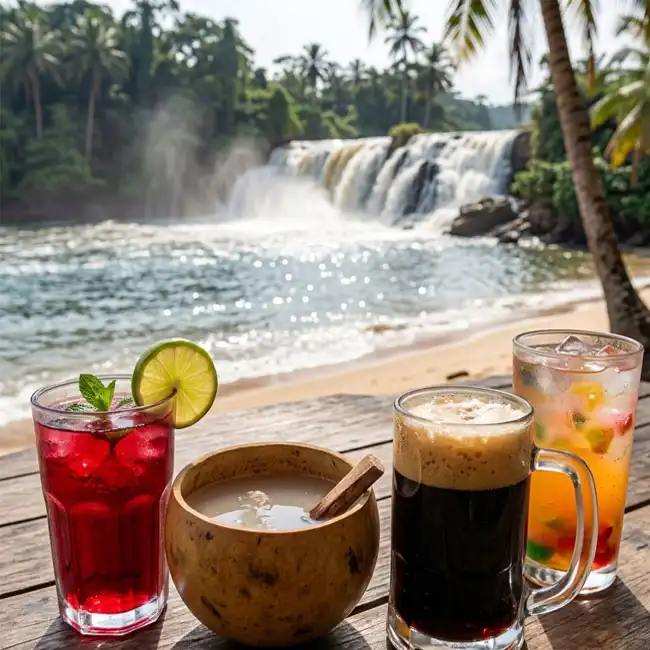
🇨🇲 🍷A Friendly Introduction to Cameroon’s Drink Culture🌐📚
When people talk about Cameroon, they often highlight its incredible food diversity—but drinks are just as fascinating. Known as “Africa in miniature,” Cameroon reflects a mix of cultures, climates, and traditions, and you can taste all of that in what people drink every day.
From the humid coastal regions to the cooler highlands, beverages in Cameroon are shaped by local ingredients, weather, and daily life. What’s really special is how natural and homemade most drinks are. Instead of heavily processed beverages, many Cameroonians rely on fresh fruits, roots, spices, and leaves to create refreshing, flavorful drinks.
In everyday life, drinks are more than just something to quench thirst. They’re part of hospitality, family gatherings, and even street culture. If you visit a home, you might be welcomed with a chilled homemade juice. Walk through a busy street market, and you’ll see vendors selling colorful drinks in recycled bottles, each with its own story and taste.
And here’s something important—many traditional drinks are not only refreshing but also believed to have health benefits. Ingredients like ginger, hibiscus, and tropical fruits are often used for their natural properties, making these beverages both enjoyable and functional.
Let’s explore what makes Cameroon drinks so unique and why they’re worth discovering.
🌿 The Role of Natural Ingredients in Everyday Drinks
One thing you’ll quickly notice about Cameroon drinks is how deeply connected they are to nature. Most beverages are made using ingredients that are locally grown or easily available in the environment.
Fruits like pineapple, mango, papaya, and guava are commonly used. These are often blended or juiced fresh, sometimes mixed together for a richer flavor. In rural areas especially, people may prepare drinks directly from fruits picked the same day.
Spices also play a big role. Ginger is one of the most popular ingredients—it adds a strong, slightly spicy kick that makes drinks both refreshing and energizing. You’ll also find flavors like mint, cloves, and even chili in some recipes, giving drinks a unique twist.
Leaves and flowers are another interesting part of the culture. For example, hibiscus flowers are used to make a bright red drink that’s both tangy and slightly sweet. These natural elements bring color, aroma, and tradition into every glass.
What’s really cool is that many of these drinks don’t rely on artificial additives. Even sweetness often comes from natural sources like fruits or a bit of sugar added at home. It’s simple, authentic, and full of flavor.
🍹 Popular Non-Alcoholic Drinks You’ll Find in Cameroon
🧊 Ginger Juice (Jus de Gingembre)
Ginger juice is easily one of the most iconic drinks in Cameroon. It’s bold, spicy, and incredibly refreshing—perfect for hot weather.
This drink is typically made by blending fresh ginger with water, then straining and adding sugar and sometimes lemon or pineapple juice. The result is a powerful, zesty beverage that wakes up your senses instantly.
You’ll often find it sold by street vendors in reused bottles, especially in busy towns and markets. It’s also a favorite at celebrations and family gatherings.
🌺 Foléré (Hibiscus Drink)
Foléré is another must-try drink. Made from dried hibiscus flowers, it has a deep red color and a slightly tangy taste.
What makes foléré special is how customizable it is. Some versions include pineapple, mint, or spices like cloves to enhance the flavor. It can be served chilled, making it a popular choice during warm days.
This drink is especially common in the northern regions but is enjoyed across the country.
🍍 Fresh Pineapple Juice
With pineapples growing abundantly in Cameroon, it’s no surprise that fresh pineapple juice is a staple.
Unlike store-bought versions, this juice is often thicker, richer, and more flavorful. It’s usually prepared by blending fresh pineapple and straining it, sometimes mixed with other fruits for added complexity.
It’s a go-to drink for both kids and adults, especially as a natural alternative to sugary sodas.
🥭 Mango Juice
Mango season in Cameroon is something people look forward to every year. During this time, mango juice becomes incredibly popular.
The drink is naturally sweet and doesn’t require much added sugar. It’s often enjoyed cold and can be found in homes, street stalls, and small local eateries.
🍋 Lemon and Mint Refreshers
Simple yet refreshing, lemon-based drinks are also common. Mixed with mint and sugar, they create a cooling beverage that’s perfect for hot afternoons.
These drinks are easy to prepare and are often made at home, especially when guests come over.
🏡 Drinks in Daily Life and Social Gatherings
In Cameroon, drinks are closely tied to daily routines and social interactions.
In the morning, people might start their day with a simple beverage—sometimes tea or a light fruit drink. Throughout the day, hydration is key, especially in warmer regions, so refreshing juices are commonly consumed.
But where drinks really shine is during social moments. When guests visit, offering a drink is a sign of hospitality. It doesn’t have to be fancy—just something refreshing and made with care.
At celebrations like weddings, naming ceremonies, or community events, drinks are often prepared in large quantities. You’ll see big containers filled with colorful beverages, ready to be shared among guests.
Street culture also plays a big role. Vendors selling homemade drinks are part of everyday life. These drinks are affordable, accessible, and often taste better than anything bottled in a factory.
🌍 Regional Influence on Drink Choices
Because Cameroon has such diverse geography, drink preferences can vary depending on the region.
In coastal areas, where it’s hot and humid, people prefer very refreshing drinks—often chilled fruit juices or light herbal beverages.
In the northern regions, drinks like foléré are more common, sometimes with added spices that reflect local tastes.
In the western highlands, where temperatures can be cooler, drinks may be slightly less chilled, but still focus on natural ingredients.
This regional variation adds even more depth to Cameroon’s drink culture, making it a rich and diverse experience.
🧺 Street Drinks and Local Markets
If you ever get the chance to explore a local market in Cameroon, the drink scene is something you won’t want to miss.
Vendors display bottles filled with vibrant liquids—reds, yellows, and oranges—each representing a different flavor. These drinks are often homemade and sold in recycled plastic bottles.
There’s something authentic about buying a drink this way. It feels personal, almost like you’re tasting someone’s homemade recipe rather than a commercial product.
Prices are usually very affordable, making these drinks accessible to everyone. And because they’re made fresh, the taste is often much better than mass-produced alternatives.
💚 Health and Wellness in Traditional Drinks
Another interesting aspect of Cameroon drinks is their connection to health.
Many ingredients used in traditional beverages are known for their natural benefits. Ginger, for example, is often associated with digestion and energy. Hibiscus is believed to help with hydration and overall wellness.
While people may not always think of these drinks as “health drinks,” they naturally incorporate ingredients that are good for the body.
This makes them a great alternative to sugary or artificial beverages, especially for those looking for more natural options.
🧊 How Climate Shapes Drinking Habits
Cameroon’s tropical climate has a huge influence on what people drink.
In hot weather, which is common in many parts of the country, refreshing and cooling drinks are essential. That’s why chilled juices and light beverages are so popular.
Hydration is important, especially for people who work outdoors. Drinks are often consumed throughout the day, not just during meals.
Even the way drinks are served reflects the climate—cold, fresh, and often slightly sweet to provide quick energy.
🍽️ Pairing Drinks with Food
Cameroon drinks are often enjoyed alongside meals, and the pairing is usually simple but effective.
Spicy dishes are often balanced with refreshing drinks like ginger juice or fruit juices. The contrast helps enhance the overall dining experience.
At family meals, it’s common to have a jug of homemade juice on the table, shared among everyone. It adds a communal feeling to the meal, making it more than just eating—it becomes a shared moment.
✨ Why Cameroon Drinks Are Worth Exploring
What makes Cameroon drinks truly special is their authenticity. They’re not just beverages—they’re part of a lifestyle.
They reflect the environment, the culture, and the creativity of the people. Each drink tells a story, whether it’s a simple fruit juice made at home or a traditional hibiscus drink passed down through generations.
For anyone interested in exploring global food cultures, Cameroon drinks offer a refreshing and meaningful experience.
🤔 FAQ
Q1.What is the most popular non-alcoholic drink in Cameroon?
One of the most popular drinks is ginger juice. It’s widely available, easy to prepare, and loved for its strong, refreshing flavor.
Q2.Are Cameroon drinks usually homemade?
Yes, many traditional drinks in Cameroon are homemade using fresh, natural ingredients. Even drinks sold on the street are often prepared locally rather than mass-produced.
🍷 Discover Refreshing Cameroonian Drinks You Can Make Easily
👉 Enjoy 3 Hidden Gem Cameroonian Drinks
| 🌐 🍷 < Back | 🇨🇲 🍨 < Previous | Next > 🍲 🇨🇲 |