
🏠 Home > 🗺️ Recipes > 🍨 Desserts > 🇨🇲 Cameroon Desserts > 🍨 1.Tablette de Coco (Coconut Candy) , 2.Gâteau de Manioc (Sweet Cassava Cake) , 3.Klako (Sweet Plantain Fritters)
🍨 Sweet Secrets of Africa: Reimagining Cameroonian Desserts for Your Home
Published by Supakorn | Updated: March 2026
📚 🇨🇲 Introduction: The Untapped World of Central African Sweets🌐🍯
Have you ever noticed that when people talk about African food, they usually jump straight to the spicy stews and savory "swallows"? While those are amazing, there is a whole "hidden gem" universe of Cameroonian desserts that rarely gets the international spotlight it deserves. In the bustling markets of Douala and the quiet villages of the West Region, sweetness is a natural, tropical celebration.
Lately, there’s been a massive surge in interest regarding ethnic desserts. People are tired of the same old brownies and cheesecakes; they want textures that surprise them and flavors that feel "raw" and authentic. That’s exactly what Cameroonian sweets offer. They rely on the earth’s bounty—cassava, coconut, and sun-ripened fruit—rather than heavy processed sugars.
In this "Home Edition" guide, I’ve reimagined three legendary Cameroonian treats so you can make them in your own kitchen, no matter where in the world you are. We are diving into:
🍯 • Recipe 1: Tablette de Coco (Coconut Candy): The crunchy, caramelized coastal classic.
🍯 • Recipe 2: Gâteau de Manioc (Sweet Cassava Cake): A gluten-free, chewy masterpiece.
🍯 • Recipe 3: Klako (Sweet Plantain Fritters): The ultimate way to rescue overripe plantains.
Forget the complicated French pastry techniques; these recipes are all about soul, simplicity, and sharing. Let’s get your kitchen smelling like a tropical paradise!

🥥 Recipe 1: Tablette de Coco (Caramelized Coconut Candy)
🍨 About this Recipe
If you walk along the beaches of Kribi or through the streets of Douala, you’ll see vendors carrying glass boxes filled with golden, jagged shards of Tablette de Coco. This is the quintessential Cameroonian candy. It’s simple, vegan, and captures the essence of the coast. Unlike Western fudge, this is hard, crunchy, and bursts with the natural oils of fresh coconut. It’s the perfect "hidden gem" to serve with tea or as a light after-dinner crunch.
🧂 Ingredients & Measurements
• 3 cups of Freshly shredded coconut (unsweetened)
• 1.5 cups of Granulated brown sugar (for that deep caramel color)
• 1/2 cup of Water
• 1/2 teaspoon of Freshly grated ginger (the secret Cameroonian "kick")
• 1/4 teaspoon of Salt
• 1 teaspoon of Vanilla extract
🥣 Step-by-Step Instructions
1.Prepare the Coconut: If using fresh coconut, shred it into long, thin strips. If using store-bought desiccated coconut, ensure it is the "large flake" variety and unsweetened.
2.Make the Syrup: In a heavy-bottomed saucepan, combine the brown sugar, water, and salt. Stir over medium heat until the sugar is completely dissolved.
3.Caramelize: Stop stirring and let the syrup bubble. Once it starts to thicken and smells like caramel, add the shredded coconut and grated ginger.
4.The Stirring Phase: Now, you must stir constantly! You want every strand of coconut to be coated in the sticky syrup. Continue cooking until the water has evaporated and the sugar starts to "thread" and stick heavily to the coconut.
5.Flavor Boost: Stir in the vanilla extract right at the end.
6.Shape: Quickly pour the hot mixture onto a baking sheet lined with parchment paper. Use a spatula to flatten it into a square about 1 centimeter thick.
7.Cut: While it is still warm (but not burning hot), use a knife to score the candy into squares or diamonds.
8.Cool: Let it cool completely until it is rock hard. Snap the pieces apart along the lines you scored.
💡 Tips & Mistakes to Avoid
The "Burn" Zone: Sugar goes from "perfectly caramelized" to "bitter and burnt" in seconds. Keep your heat at medium and watch it like a hawk.
Texture Choice: For a more traditional feel, use the largest coconut flakes you can find. Small shreds will make the candy feel more like a paste.
Humidity Warning: If you live in a very humid place, the candy might stay a bit sticky. Store it in an airtight container immediately after it cools.
Don't Forget Salt: A tiny bit of salt is what makes the coconut flavor truly pop against the sugar.
❓ FAQ
Q1: Can I use white sugar?
A: Yes, but brown sugar gives it that authentic "dark gold" look and a deeper molasses flavor.
Q2: My candy is too soft, what happened?
A: You probably didn't cook it long enough for the sugar to reach the "hard crack" stage. Next time, let it bubble a bit longer before adding the coconut.
✅ Summary
Tablette de Coco is a rustic, beautiful candy that brings the sunshine of the Cameroonian coast to your home. It’s a great gift idea and lasts for weeks in a jar!
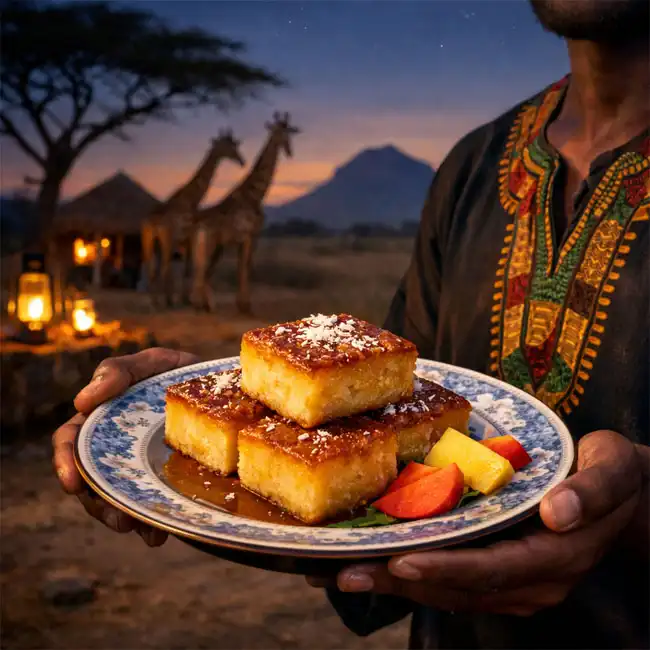
🍰 Recipe 2: Gâteau de Manioc (Sweet Steamed Cassava Cake)
🍨 About this Recipe
This is arguably the most famous "cake" in Cameroon, but it’s nothing like a sponge cake. Gâteau de Manioc is dense, chewy, and slightly gelatinous—in the best way possible. It’s a "hidden gem" because it’s naturally gluten-free and dairy-free. In Cameroon, it’s often wrapped in banana leaves and steamed, but we’ve reimagined it for home cooking using a standard baking pan or steamer. It’s earthy, sweet, and incredibly satisfying.
🧂 Ingredients & Measurements
• 4 cups of Grated cassava (fresh or frozen/thawed)
• 1 cup of Coconut milk (full fat for creaminess)
• 3/4 cup of Granulated sugar
• 1/2 cup of Grated coconut
• 1/2 teaspoon of Nutmeg
• 1/2 teaspoon of Salt
• 2 tablespoons of Melted coconut oil (or margarine)
🥣 Step-by-Step Instructions
1.Prep the Cassava: If using fresh cassava, peel it, remove the woody core, and grate it finely. If using frozen grated cassava, make sure to squeeze out excess moisture using a cheesecloth.
2.Mix: In a large bowl, combine the grated cassava, sugar, grated coconut, salt, and nutmeg. Mix well.
3.Add Liquids: Pour in the coconut milk and melted coconut oil. Stir until the mixture is a thick, uniform paste.
4.Prepare the Pan: Grease a baking dish or line it with parchment paper (or banana leaves if you have them!).
5.Bake or Steam: * Baking: Pour the mixture into the pan and bake at 356 degrees Fahrenheit ( 180 degrees Celsius ) for 45 to 60 minutes until the top is golden and the cake feels firm.
• Steaming (Traditional): Pour the mixture into the pan, cover with foil, and place in a steamer for 45 minutes.
6.The Cooling Rule: This is the most important part—you must let it cool completely. If you cut it while hot, it will be a sticky mess. As it cools, the cassava starch sets into that perfect chewy texture.
💡 Tips & Mistakes to Avoid
• Squeeze the Juice: Raw cassava juice can be a bit bitter. Squeezing it out before mixing ensures a clean, sweet taste.
• Don't Over-sweeten: Cassava has a delicate nutty flavor; too much sugar will drown it out.
• Patience is Key: Seriously, let it cool! The texture changes significantly after 2-3 hours of resting.
• Frozen Cassava Tip: Frozen cassava is often wetter than fresh. You might need to bake it for an extra 10 minutes to get the right consistency.
❓ FAQ
Q1: Is cassava safe to eat?
A: Yes, once it is grated and cooked (either baked or steamed), it is perfectly safe and delicious.
Q2: Can I add raisins?
A: While not traditional, many modern Cameroonian homes add raisins or dried fruit for extra texture.
✅ Summary
Gâteau de Manioc is the ultimate comfort dessert. It’s filling, unique, and perfect for anyone looking for a gluten-free treat that isn't just another almond-flour cookie.
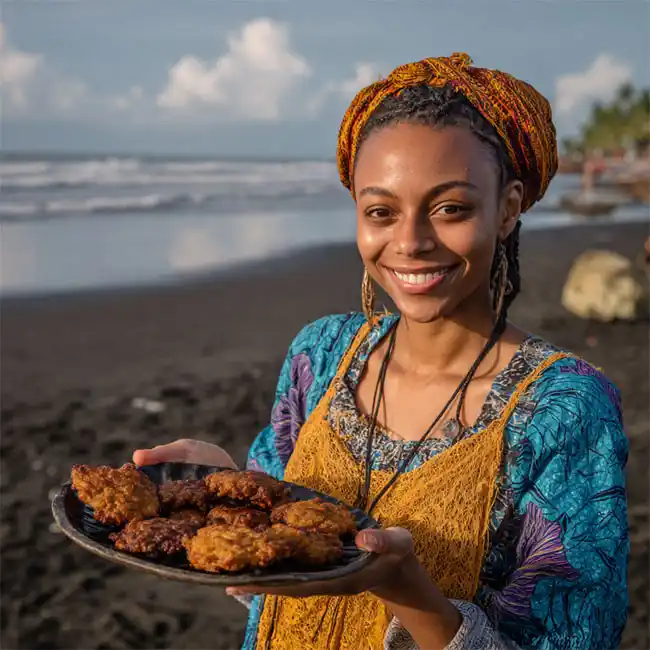
🍌 Recipe 3: Klako (Sweet Plantain Fritters)
🍨 About this Recipe
We’ve all been there: you bought plantains, forgot about them, and now they are black and soft. In many places, they might go in the trash. In Cameroon, they become Klako! These are small, sweet fritters made from mashed overripe plantains mixed with a bit of flour. They are the "reimagined" version of a pancake, but way more flavorful. They are golden-brown nuggets of joy that are perfect for a sweet brunch or a quick dessert.
🧂 Ingredients & Measurements
• 3 Large, very overripe plantains (the blacker the skin, the better!)
• 1.5 cups of All-purpose flour
• 1 tablespoon of Sugar (optional, as the plantains are already sweet)
• 1/2 teaspoon of Salt
• 1 teaspoon of Baking powder
• 1/2 teaspoon of Cayenne pepper (the secret Cameroonian twist for "heat")
• Vegetable oil for frying
🥣 Step-by-Step Instructions
1.Mash: Peel the plantains and mash them in a bowl with a fork or potato masher until they are a smooth pulp.
2.Combine Dry Ingredients: In a separate bowl, whisk together the flour, salt, baking powder, and cayenne pepper.
3.Mix: Gradually fold the dry ingredients into the mashed plantains. You want a thick, scoopable batter. If it's too wet, add a tablespoon of flour at a time.
4.Heat Oil: Heat about 2 inches of oil in a frying pan over medium heat.
5.Fry: Use a spoon to drop small portions of the batter into the oil. Don't make them too big, or the center won't cook.
6.Gold Standard: Fry for about 2-3 minutes per side until they are a deep, mahogany brown. The sugar in the plantains will caramelize, giving them a beautiful dark color.
7.Drain: Place on paper towels to remove excess oil.
💡 Tips & Mistakes to Avoid
• The Ripeness Rule: If the plantains aren't soft and black, the fritters will be starchy and bland. Wait for the spots!
• Spice it Up: Don't skip the cayenne pepper. The tiny hint of heat against the sugar is what makes this "reimagined" and authentically African.
• Small Batches: If you crowd the pan, the oil temperature drops and the fritters will become greasy.
• Low and Slow: If the oil is too hot, the outside will burn (due to the natural sugars) before the inside is set.
❓ FAQ
Q1: Can I use regular bananas?
A: You can, but plantains have a higher starch content which gives the Klako a better "bite." Bananas will make them much softer and mushier.
Q2: Are these healthy?
A: They are fruit-based, but they are deep-fried. For a healthier version, you can pan-fry them with just a little oil like mini-pancakes.
✅ Summary
Klako is the perfect example of Cameroonian resourcefulness. It’s a sweet, spicy, and satisfying treat that turns "waste" into a "hidden gem" dessert.
✨ Final Thoughts: Your Sweet Cameroonian Adventure
There you have it—three Hidden Gem Cameroonian Desserts reimagined for your home kitchen. From the crunch of the coconut tablet to the chewy comfort of cassava cake and the sweet-spicy kick of plantain fritters, these recipes offer a flavor profile that you just won't find in a standard bakery.
The best part about these recipes? They aren't meant to be perfect. They are meant to be made with your hands, shared with your favorite people, and enjoyed with a big smile. Cooking ethnic desserts is a way to travel the world without leaving your house, and Cameroon is a destination your taste buds will definitely want to revisit.
Don't be afraid to try them one by one! Start with the coconut candy (it's the easiest), then move on to the fritters, and finally challenge yourself with the cassava cake. When you do, make sure to share your creations—nothing makes a "hidden gem" shine more than showing it to the world.
| 🇨🇲 🍨 < Back |