
🏠 Home > 🗺️ Recipes > 🍲 Soups > 🇰🇭 Cambodia Soups
🇰🇭 🍲 Cambodia Soups Recipes
Published by Supakorn | Updated: February 2026
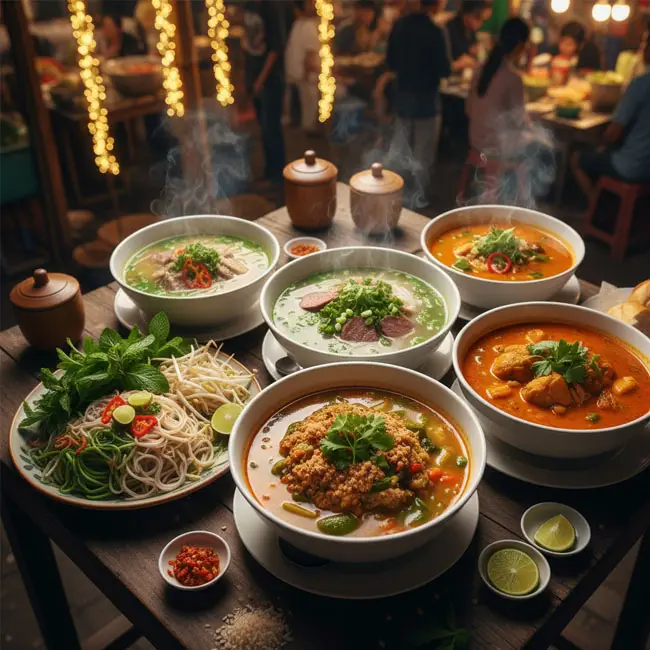
🥣 The Heart of the Table: Introduction to Authentic Cambodian Soups (Samlor)
Hello food explorers! Ready to uncover the true soul of Khmer comfort food? When you sit down for a meal in Cambodia, you’ll quickly notice that one dish always takes center stage: the soup, or Samlor. Unlike in many Western traditions where soup might be an optional starter, in Cambodia, Samlor is an essential part of the entire meal. It’s served concurrently with rice and other main dishes, acting as a crucial element that ties all the flavors of the table together.
Cambodian soups are a masterclass in balance. They are designed to be comforting, incredibly aromatic, and deeply nourishing without ever being heavy or overwhelming. They beautifully showcase the subtle sophistication of Khmer cuisine, proving that great flavor doesn't have to shout. If you want to understand how Cambodians eat, start with the Samlor!
🌿 The Secret Ingredient: Unlocking the Khmer Flavor Code
What makes Samlor taste so unique compared to other Southeast Asian soups? It all comes down to the foundation, the ingredients, and the philosophy behind flavor.
🌱 Kroeung: The Aromatic Backbone
The undeniable key to every great Cambodian soup is the kroeung. This isn't just a spice blend; it’s a fresh, vibrant, and aromatic paste, pounded traditionally with a mortar and pestle.
• What's in it? Typically, kroeung is a blend of lemongrass, galangal, fresh turmeric, kaffir lime zest, garlic, and sometimes chillies and shallots.
• Its Role: In Samlor, kroeung is lightly sautéed before the broth is added. This process releases all the volatile oils, infusing the entire soup with a deep, fragrant complexity that no dried spice can match. It’s what gives traditional Cambodian soups their signature taste.
⚖️ The Art of Balance: Sour, Sweet, Salty
Khmer cuisine thrives on achieving a perfect harmony among the four main tastes. In Khmer Samlor, this balance is paramount:
• Sourness: Often provided by tamarind pulp, lime juice, or the slightly sour fermented fish paste, prahok.
• Sweetness: Primarily sourced from palm sugar (skor t’not), which offers a complex, caramel-like sweetness.
• Saltiness/Umami: Achieved through fish sauce (tuk trey) and the ubiquitous prahok, which provides a savory depth.
The result is a broth that is multifaceted and invigorating, ready to be sipped alongside spoonfuls of plain rice.
🍲 Three Essential Cambodian Soups Defining the Meal
These three soups are the foundation of Cambodian food culture. You will find them everywhere, from bustling market stalls to family dinner tables.
🐟 Samlor Machu (Sweet and Sour Soup)
If there is one soup that represents the dynamic flavor profile of Cambodia, it's Samlor Machu.
Why we love it: This isn't just sour—it’s bright, clean, and incredibly appetite-whetting. It beautifully balances the tang of tamarind with a kiss of palm sugar sweetness. The soup is always brimming with texture: crisp vegetables like water lily stems (a unique addition!), pineapple chunks for sweetness, and tomatoes. It traditionally features river fish or pork, cooked quickly in the vibrant broth. Because of its light, tangy nature, Samlor Machu is often considered the perfect flavor balancer, cutting through the richness of other dishes on the table and leaving your palate feeling refreshed.
🥥 Samlor Kari (Khmer Red Curry Soup)
A rich bowl of creamy comfort, Samlor Kari is Cambodia's answer to a soulful curry.
Why we love it: While sharing ingredients with Thai curries (coconut milk, red curry paste), the Khmer version stands out because of its milder heat and heavier reliance on aromatic kroeung. The result is a fragrant, deeply flavorful, but less spicy soup-curry. It’s often cooked with chicken or beef, sweet potatoes, and green beans. It’s a versatile dish—sometimes served thick, other times more liquid—but always intended to be slurped. It’s frequently enjoyed with fluffy white rice or, famously, with slices of French bread (Nom Pang) for dipping, showcasing the lingering French influence on Cambodian comfort food. This is a staple during holidays and family celebrations.
🍜 Kuy Teav (Khmer Noodle Soup)
The undisputed champion of the Cambodian breakfast scene!
Why we love it: Kuy Teav is the ultimate street food experience and the perfect start to the day. It’s a subtle yet savory Khmer noodle soup built on a delicate, long-simmered pork or chicken bone broth. What sets it apart is the presentation and the condiments. The clear, savory broth is poured over thin rice noodles, then topped with an array of garnishes: thin slices of pork, ground meat, shrimp, and sometimes fish balls. Crucially, it’s garnished with a generous sprinkle of fried garlic and pork fat—this detail adds an unparalleled nutty richness that defines the dish. It's served with a full tray of condiments (lime wedges, chili flakes, sugar, fish sauce) so you can customize the flavor exactly to your liking. It’s a profoundly satisfying bowl that demonstrates the simple perfection of Khmer street food culture.
🏡 The Cambodian Way of Eating: Unity and Nourishment
Samlor plays a significant role in the daily life and social customs of Cambodia.
🍚 The Centrality of Rice and Soup
In the Khmer food culture, rice (bay) is the anchor of every meal. The Samlor is the liquid companion.
• Simultaneous Consumption: Unlike sequential Western dining, a Cambodian meal is eaten simultaneously. You take a bite of rice, then a spoonful of Samlor, then a piece of the main protein. The soup provides moisture, balances flavor, and helps everything go down smoothly.
• The Family Hub: The large pot of Samlor is typically placed in the very center of the table, symbolizing unity and providing a communal experience. Everyone serves themselves from the same central pot, encouraging conversation and sharing.
🧑🤝🧑 Street Soup Culture: Quick, Fresh, and Always Available
The street food scene in Cambodia revolves heavily around soup. Vendors specializing in Kuy Teav or Samlor are everywhere, especially around markets and busy corners.
Pro Tip: Look for the small, bustling stalls, especially in the early morning. These vendors have often been slow-simmering their broth (stock) for hours, resulting in a rich, complex liquid that forms the basis of the perfect Kuy Teav. Eating soup on the street is a quick, inexpensive, and truly authentic way to experience traditional Cambodian soups.
🌟 The Essence of Samlor: A Testament to Healthy Eating
Beyond comfort and flavor, Cambodian soups are inherently healthy, reflecting a wise and practical approach to nutrition.
• Nutrient-Dense Broths: The base of these soups—simmered for hours with bones and vegetables—is rich in minerals and collagen, making them highly nourishing and easy to digest.
• Low in Fat (Generally): Apart from the small amount of coconut milk in Samlor Kari or the garnish on Kuy Teav, most Samlor recipes are surprisingly low in fat, relying on the fresh kroeung and herbs for flavor complexity.
• A Vehicle for Veggies: These soups ensure a high intake of fresh, seasonal vegetables and herbs, which are integral to every spoonful, contributing to the healthy, balanced nature of the Khmer diet.
Whether you crave the sour kick of Samlor Machu, the creamy depth of Samlor Kari, or the delicate, savory goodness of Kuy Teav, these bowls represent the gentle, generous, and profoundly comforting spirit of Cambodian food culture.
❓ FAQ: Your Quick Cambodian Soup Questions Answered
Q1: What is the main difference between Cambodian and Thai soups?
Cambodian soups (Samlor) tend to be milder, focusing on fresh herbs (kroeung) and a subtle balance of sour, sweet, and salt. Thai soups often use stronger chili heat and bolder, more aggressive flavor profiles.
Q2: What is the most important flavor base in Cambodian soups?
The most important flavor base is kroeung, a blended paste of fresh lemongrass, galangal, turmeric, garlic, and kaffir lime zest. This is the aromatic soul of almost all traditional Khmer soups.
Q3: Are Cambodian soups healthy?
Yes. Most Samlor recipes are highly nutritious, built on light broths, lean proteins, and a significant amount of fresh vegetables and herbs, making them a very healthy staple.
Q4: Is Prahok used in all Cambodian soups?
No, but it is common in many savory, traditional soups like Samlor Machu. Kuy Teav typically relies on the savory depth of bone broth and fish sauce. The usage depends on the regional and family recipe, though its presence is a signature of authentic Khmer cuisine.
🍲 A Taste of Tradition: 3 Real Cambodian Soup Recipes Loved by Locals
| 🌐 🍲 < Back | 🇰🇭 🍷 < Previous | Next > 🥗 🇰🇭 |