
🏠 Home > 🗺️ Recipes > 🍲 Soups > 🇧🇬 Bulgaria Soups
🇧🇬 🍲 Bulgaria Soups Recipes
Published by Supakorn | Updated: April 2026
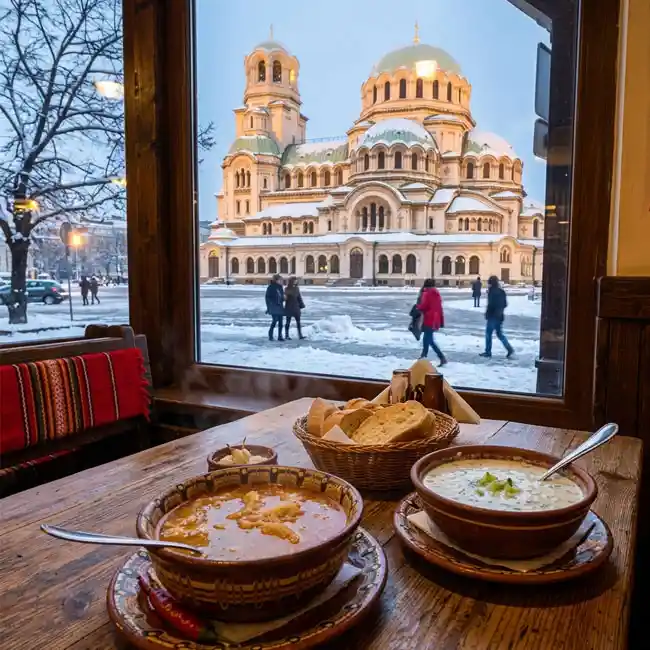
If you’ve ever stepped foot into a cozy Bulgarian mehana (a traditional tavern) on a crisp autumn afternoon, you already know that the air doesn’t just smell like food—it smells like home. And in Bulgaria, "home" is almost always served in a deep ceramic bowl, steaming hot and seasoned with a generous pinch of history.
Bulgarian soups aren’t just appetizers. They are the backbone of the nation’s culinary identity. Whether it’s a refreshing yogurt-based delight in the scorching heat of July or a robust bean stew that keeps the winter chill at bay, these dishes tell the story of a land blessed with fertile soil, ancient traditions, and a deep-seated love for simple, honest ingredients.
🇧🇬 🥣The Soul of the Bulgarian Table: A Cultural Prelude🤗🏰
Before we dive into the specific bowls of goodness, let's talk about the vibe. In Bulgaria, soup (or chorba, as the locals often call it) isn't something you rush through. It’s a ritual. Eating soup is a moment to slow down, break bread (literally—Bulgarians take their bread very seriously), and connect with those around the table.
The Bulgarian kitchen is a masterclass in "farm-to-table" before it was even a trendy buzzword. Because the country has four very distinct seasons, the soup menu shifts like the landscape. You’ll find that the flavors are bold but never over-complicated. We’re talking about the holy trinity of Bulgarian herbs: Chubritza (Summer Savory), Djodjen (Spearmint), and Samardala. These aren't just seasonings; they are the scents of the Bulgarian countryside.
🥬 Seasonality and the Art of the "Chorba"
You’ll hear the word Chorba a lot. While "Supa" is the general term for soup, Chorba usually refers to something slightly more rustic, often thickened with a "zaprashka" (a traditional roux) or finished with a "zastroika" (a tempering of yogurt and eggs).
The philosophy is simple: use what the earth gives you. Spring brings nettles and spinach; summer brings cucumbers and tomatoes; autumn is all about the harvest of beans and peppers; and winter? Well, winter is the time for fermented treasures like sauerkraut juice to take center stage.
🍲 The "Hall of Fame": Iconic Bulgarian Soups You Need to Know
If you’re looking for the heavy hitters, the ones that every Bulgarian grandmother swears by, these are the legendary bowls that define the nation's palate.
🧊 Tarator: The King of Summer
Let’s start with the most famous one. If Bulgaria had a national scent, it would be the refreshing mix of yogurt, garlic, and dill. Tarator is a cold soup, but don’t let that throw you off—it’s incredibly addictive.
• The Vibe: Imagine a liquid version of a chopped salad, but creamier and much more refreshing.
• The Secret: It’s all about the Bulgarian yogurt (Kiselo Mlyako). This isn’t just any yogurt; it contains Lactobacillus bulgaricus, a bacteria native to the region that gives it a unique tang and incredible health benefits.
• The Occasion: It’s served in big bowls or even glasses during the summer heat. It’s the ultimate thirst-quencher.
🥣 Shkembe Chorba: The Bold and the Brave
Now, let’s talk about the "Marmite" of Bulgarian soups—you either love it with a passion, or you’re a bit intimidated by it. Shkembe Chorba is tripe soup, and it’s a cult classic.
• The Vibe: Rich, milky, and incredibly savory. It’s the ultimate comfort food for those who love deep, earthy flavors.
• The Ritual: You never eat Shkembe Chorba "plain." It is mandatory to load it up with a mixture of crushed garlic soaked in vinegar and a generous dusting of extra-hot dried chili flakes.
• The Legend: Ask any local, and they’ll tell you it’s the undisputed cure for a long night out. It’s the breakfast of champions in Bulgaria.
🥢 Bob Chorba: The Humble Heart of the Nation
If there is one dish that represents the resilience and simplicity of the Bulgarian spirit, it’s Bob Chorba (Bean Soup).
• The Vibe: Thick, smoky, and deeply satisfying. It’s usually made with white beans and plenty of vegetables.
• The Hero Ingredient: Spearmint (Djodjen). This herb gives the beans a unique, slightly cooling aromatic finish that is quintessentially Bulgarian.
• The TraditioIn: t is a staple during the Orthodox fasting periods, especially on Christmas Eve, when a meatless version is the star of the table.
🍗 Pileshka Supa: The Ultimate Hug in a Bowl
Every culture has its chicken soup, but the Bulgarian Pileshka Supa has a secret weapon: the zastroika.
• The Vibe: Silky, golden, and rich.
• The Zastroika: Instead of a clear broth, Bulgarian chicken soup is often thickened with a mixture of yogurt and egg yolks, creating a creamy texture without using heavy cream.
• The Comfort Factor: It’s the go-to remedy for a cold, a rainy day, or just when you need a bit of culinary TLC.
🏡 The Bulgarian Way of Eating: "Soup, Bread, and Togetherness"
To truly understand Bulgarian soup culture, you have to look at the "how" and "where," not just the "what."
🍞 The Bread Connection
In Bulgaria, eating soup without bread is almost unheard of. Usually, it’s a thick slice of crusty, white sourdough or a piece of Pitka (traditional ritual bread). You don’t just eat the bread on the side; you use it to "mop up" every last drop of the broth. To leave soup in the bowl is almost like leaving a story unfinished.
🥗 The "First Course" Tradition
Traditionally, the Bulgarian lunch is a three-course affair, and soup almost always takes the lead as the "First Course." It prepares the stomach for the heavier grilled meats (Skara) or stews that follow. However, in modern times, a big bowl of Bob Chorba with a side of white cheese (Sirene) and bread is considered a perfectly sufficient and heroic meal on its own.
🏔️ Regional Variations
Bulgaria’s geography is diverse, and so are its soups:
• In the Mountains (Rhodopes & Rila): You’ll find thicker, heavier soups with plenty of potatoes and forest mushrooms.
• By the Black Sea: Look out for Ribena Chorba (Fish Soup), often made with several types of sea fish and seasoned with lovage, which gives it a distinct, bright flavor.
• In the North: You might encounter soups influenced by the Danube river, featuring spicy notes and river fish.
✨ Why Bulgarian Soups are a "Superfood" Secret
Health is a huge part of the Bulgarian diet. The focus on fermented products (yogurt and sauerkraut juice) means these soups are packed with probiotics. The heavy use of garlic—Bulgaria’s favorite "natural antibiotic"—and fresh herbs means you’re getting a nutritional powerhouse in every spoonful.
Most of these soups are also naturally low in processed fats, relying instead on the richness of vegetables, legumes, and high-quality dairy. It’s "slow food" in its purest form, cooked over a low flame to let the flavors marry perfectly.
❓ Frequently Asked Questions (FAQ)
Q1. Is Bulgarian soup usually spicy?
Generally, Bulgarian soups are flavorful and aromatic rather than "spicy-hot." However, many soups, like Shkembe Chorba or Bob Chorba, are served with a side of hot peppers (fresh or dried) or a garlic-vinegar-chili mix so you can customize the heat level to your liking.
Q2. Can I find vegetarian soups in Bulgaria?
Absolutely! Bulgaria has a long tradition of meatless cooking, especially due to Orthodox fasting traditions. Bob Chorba (Bean Soup), Legia Supa (Nettle Soup), and Tarator (Cold Cucumber Soup) are all naturally vegetarian and absolutely delicious.
🇧🇬 A Final Spoonful of Wisdom
Bulgarian soups are a testament to the idea that you don't need expensive ingredients to create a masterpiece. All you need is time, fresh produce, and a little bit of soul. Whether you’re cooling down with a bowl of Tarator or warming your heart with a smoky bean stew, you’re tasting a piece of a culture that has perfected the art of the ladle.
So, the next time you find yourself near a Bulgarian kitchen, follow the scent of savory herbs and garlic. There's a seat at the table and a warm bowl waiting for you. Dobur apetit! (Bon Appétit!)
🍲 Cozy in a Bowl: The Ultimate Plant-Based Journey Through Bulgarian Soups
👉 Savor 3 Bulgarian Healthy Soups
| 🌐 🍲 < Back | 🇧🇬 🍷 < Previous | Next > 🥗 🇧🇬 |