
🏠 Home > 🗺️ Recipes > 🥘 Sauces > 🇧🇬 Bulgaria Sauces
🇧🇬 🥘 Bulgaria Sauces Recipes
Published by Supakorn | Updated: April 2026
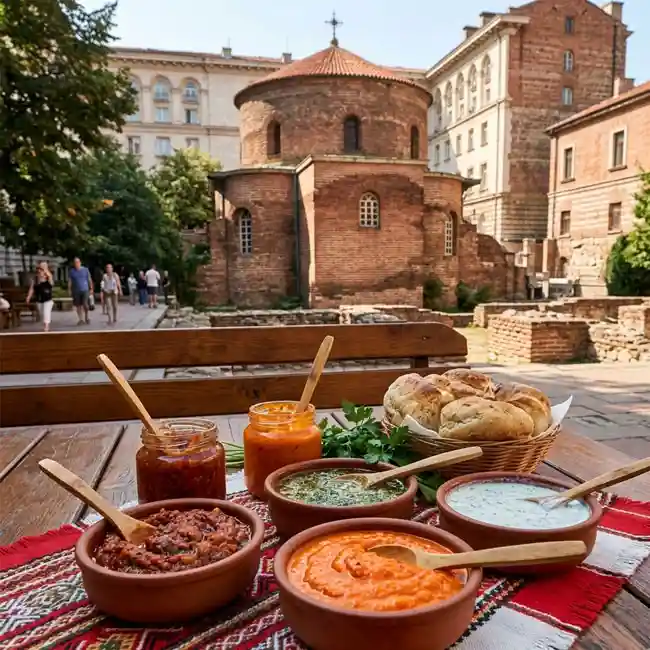
Hey there, food explorer! If you’ve ever found yourself wandering through the sun-drenched valleys of the Balkans or sitting at a rustic wooden table in a small Bulgarian village, you know that the soul of the meal isn’t just in the meat or the bread—it’s in the sauce. Bulgarian cuisine is a beautiful, messy, and flavorful tapestry woven from centuries of history, and today, we’re diving deep into the world of Bulgaria Sauces.
We aren't just talking about a side dish here. In Bulgaria, a sauce is a centerpiece. It’s a conversation starter, a labor of love, and a tradition passed down through generations. From the smoky aroma of roasted peppers to the cooling tang of yogurt-based delights, Bulgarian sauces tell the story of a people who live in harmony with the seasons. So, grab a snack (you’re going to get hungry), and let’s take a journey through the vibrant culinary landscape of Bulgaria!
🇧🇬 🥘The Heartbeat of the Balkan Table: An Introduction to Bulgarian Food Culture🌐📖
To understand Bulgarian sauces, you first have to understand the Bulgarian way of life. Eating here isn't a rushed activity; it’s a ritual. The "sofra"—the traditional dining table—is a place where time slows down. Bulgarians have a deep respect for the land, and this is reflected in the freshness of their ingredients.
The culinary identity of Bulgaria is a unique blend of Slavic, Ottoman, and Mediterranean influences. Because of its geographic location, the country enjoys a climate that produces some of the most flavorful vegetables in Europe. We're talking about tomatoes that actually taste like sunshine and peppers so sweet and fleshy they could be a dessert. This incredible produce forms the backbone of every sauce we’re about to discuss.
In Bulgaria, sauces often serve as the bridge between the garden and the plate. They are seasonal, communal, and incredibly versatile. Whether it’s the "Grand Harvest" in the autumn where families gather to roast hundreds of pounds of peppers, or the fresh, herb-heavy dips of the spring, these condiments are the true markers of the passing year.
🍅 The Legendary Lyutenitsa: Bulgaria’s National Treasure
If Bulgaria had a "national flavor," it would undoubtedly be Lyutenitsa. You cannot walk into a Bulgarian home without finding a jar of this deep red, smoky, and slightly sweet spread. It is more than just a sauce; it’s a cultural icon.
🏠 The Autumn Tradition of "Pecheni Chushki"
The story of Lyutenitsa begins in late August and September. This is the time of the "chushkopek"—a unique Bulgarian appliance specifically designed to roast peppers. The air in every town and village fills with the unmistakable scent of charred skins and sweet pepper flesh. Families gather in backyards, peeling mountains of roasted peppers and eggapples (eggplants), grinding them together, and simmering them in giant pots over open fires.
This communal cooking is the glue of Bulgarian society. Children help peel, grandparents season the pot with secret ratios of cumin and black pepper, and everyone waits for that first warm spread on a crusty slice of bread. It’s a labor-intensive process that results in a sauce so rich and complex that no store-bought version can ever truly compete.
🥖 How It’s Enjoyed Daily
While it’s often called a "relish" or "spread" in the West, in Bulgaria, Lyutenitsa is a multipurpose powerhouse. It’s the standard breakfast topping for "princesses" (open-faced toasted sandwiches), a sidekick to grilled meats, or simply a dip for white brine cheese (Sirene). Its thick texture and concentrated vegetable flavor make it the ultimate comfort food for every Bulgarian, no matter where they are in the world.
🍆 Kyopolou: The Smoky Majesty of Eggplant
Moving from the bright red of peppers to the deep, earthy tones of eggplant, we find Kyopolou. This is arguably one of the most sophisticated vegetable appetizers in the Balkan repertoire. It’s a testament to how Bulgarians can take humble ingredients and turn them into something fit for a king.
🌿 A Fusion of Garden Flavors
Kyopolou is primarily made from roasted eggplants and roasted peppers, but the magic lies in the addition of garlic and walnuts. The garlic provides a sharp kick, while the walnuts add a buttery crunch that elevates the smoky mash. Unlike the smooth consistency of some commercial sauces, a traditional Kyopolou is often chunky, celebrating the texture of the vegetables.
🧺 The Summer Picnic Essential
In the heat of a Bulgarian summer, Kyopolou is the star of the show. It’s light yet satisfying, often served cold as part of a "meze" platter. It captures the essence of the Mediterranean influence on Bulgarian cuisine—simple, olive oil-rich, and incredibly healthy. It’s the kind of dish that reminds you of long afternoons in a leafy garden, paired with fresh cucumbers and tomatoes.
🧄 The Pungent Perfection of Garlic Sauces
Bulgarians do not shy away from garlic. In fact, they embrace it with a passion that would make a vampire run for the hills! Garlic sauces, known generally as Chesnov Sos, are the backbone of the Bulgarian "fast food" and grill culture.
🍗 The Ultimate Companion for Grilled Meats
If you’re eating "Kebapche" (grilled minced meat rolls) or "Kyufte" (meatballs), you’re almost certainly going to have a side of garlic sauce. These sauces usually come in two forms: a thick, mayo-based version or a lighter, vinegar-and-oil-based vinaigrette.
The garlic isn’t just a background note; it’s the lead singer. It’s designed to cut through the richness of the meat and cleanse the palate. There is also a traditional walnut and garlic dip called Skordalia (similar to the Greek version but with a Bulgarian twist) that is often served with fried fish or zucchini. It’s thick, creamy, and pack a serious punch!
🥣 Snezhanka: The "Snow White" Salad Sauce
You might know it as Tzatziki’s cousin, but in Bulgaria, it is called Snezhanka (Snow White), named after the fairytale character because of its pure white color. While often classified as a salad, its consistency and usage make it one of the most important cooling sauces in the country’s culinary arsenal.
🥛 The Magic of Bulgarian Yogurt
You can’t talk about Bulgarian food without mentioning yogurt (Kiselo Mlyako). Bulgaria is the homeland of Lactobacillus bulgaricus, the bacteria responsible for the unique tartness and thick texture of their yogurt. Snezhanka uses "strained" yogurt, which is so thick it can almost hold a spoon upright.
🥒 Refreshment in Every Bite
Combined with crunchy cucumbers, dill, garlic, and crushed walnuts, Snezhanka is the ultimate antidote to a spicy or heavy meal. It’s served at every wedding, every birthday, and every casual Tuesday dinner. It represents the "cooling" side of Bulgarian sauces—the yin to the smoky, roasted yang of the pepper-based spreads.
🌶️ The Fiery Side: Hot Peppers and Sharena Sol
While Bulgarian food isn't "spicy" in the way Thai or Mexican food is, Bulgarians love a good "kick." This is where their spicy condiments and seasoned salts come into play.
🏺 Sharena Sol: The "Colorful Salt"
While technically a dry seasoning, Sharena Sol acts much like a sauce in how it's used to "finish" a dish. It’s a blend of dried summer savory (chubritsa), paprika, salt, and sometimes dried fenugreek or toasted corn flour. You’ll find it on every table in a small ceramic pot. Bulgarians dip their bread into oil and then into this salt—it’s the simplest, most honest "sauce" you’ll ever taste.
🔥 Crushed Hot Peppers (Lyuti Chushki)
For those who want heat, there are the preserved hot peppers. These are often kept in jars of vinegar and garlic. The "sauce" here is the infused vinegar itself, which people drizzle over tripe soup (Shkembe Chorba) to add acidity and fire. It’s a bold, wake-up-your-senses kind of flavor that defines the "hardy" side of Bulgarian eating.
🥘 The Role of Sauces in "Guvetch" and Slow-Cooked Stews
In Bulgarian cooking, sauces aren't always served on the side; often, the sauce is the dish. This is most evident in traditional clay pot cooking, known as Guvetch.
🏺 The Clay Pot Philosophy
Bulgarians are masters of the slow cook. By using earthenware pots, they allow vegetables and meats to break down over hours, creating a rich, natural gravy or sauce that is deep in umami. These sauces are never thickened with heavy flours; instead, they rely on the reduction of tomatoes, onions, and the natural juices of the ingredients.
🥔 Rural Roots and Hearty Flavors
This style of "integrated sauce" speaks to the rural roots of the country. Historically, farmers would put their ingredients in a pot, shove it in a communal stone oven, go to work in the fields, and return to a meal where everything had melded into a thick, saucy perfection. It’s rustic, unpretentious, and soul-warming.
🥨 Modern Twists: The Evolution of Bulgarian Condiments
As Bulgaria has become more connected to the global food scene, the sauce culture has evolved. You’ll now find artisanal producers making "gourmet" Lyutenitsa with organic honey or truffles found in the Bulgarian mountains.
🏙️ Urban Food Scenes
In cities like Sofia and Plovdiv, young chefs are taking these traditional flavors—the roasted pepper, the pungent garlic, the tart yogurt—and deconstructing them. You might find a Lyutenitsa mousse or a yogurt foam, but the core flavors remain the same. The respect for the ingredient is the constant thread that links the grandmother in the village to the chef in the city.
🌍 Global Popularity
Bulgarian sauces are starting to make waves internationally. People are looking for healthy, preservative-free alternatives to ketchup and processed condiments. Since most traditional Bulgarian sauces are vegetable-based and naturally vegan or vegetarian, they fit perfectly into modern dietary trends without losing their ancient soul.
🏠 The "Living" Kitchen: How Bulgarians Eat Today
If you visit a Bulgarian home today, the hospitality remains legendary. You won't be offered just a main course; you'll be presented with a spread of various small bowls filled with these different sauces.
The "eating and living" philosophy in Bulgaria is about balance. You have the heavy grilled meats balanced by the cooling yogurt sauce. You have the salty white cheese balanced by the sweet roasted pepper spread. It’s a symphony of flavors that ensures no one ever leaves the table feeling bored or unsatisfied. It’s about sharing, dipping, and enjoying the abundance of the earth with friends and family.
🙋♂️ FAQ
Q1: Are Bulgarian sauces usually spicy?
Most Bulgarian sauces, like the famous Lyutenitsa, focus more on a smoky and sweet flavor profile from roasted peppers rather than intense heat. However, Bulgarians do love their "hot peppers" on the side, and you can find spicy versions of most condiments if you look for the word "Lyuta" (meaning hot/spicy).
Q2: Is Lyutenitsa the same as Ajvar?
They are cousins! While Ajvar (popular in Serbia and North Macedonia) is primarily made of roasted peppers and eggplant, Bulgarian Lyutenitsa often includes tomatoes and a specific blend of spices like cumin and savory, giving it a slightly different texture and a more complex, herbal flavor profile.
Q3: Can these sauces be stored for a long time?
Absolutely. The tradition of "Zimnina" (preparing for winter) involves canning these sauces in glass jars. When properly boiled and sealed, homemade Lyutenitsa or Kyopolou can last all through the winter, allowing Bulgarians to enjoy the taste of summer vegetables even when the ground is covered in snow.
🥘 Transform Your Kitchen: The Ultimate Guide to Healthy Bulgarian Sauces and Lifestyle Meals
👉 Get 3 Bulgarian Lifestyle Sauces
| 🌐 🥘 < Back | 🇧🇬 🍱 < Previous |