
🏠 Home > 🗺️ Recipes > 🥪 Appetizers > 🇧🇬 Bulgaria Appetizers > 🥪 1.Classic Homemade Lyutenitsa , 2.Smoky Kyopolou (Eggplant & Pepper Dip) , 3.Snezhanka Salad (Snow White Dip)
🥪 The Best Authentic Bulgarian Starters for a Healthy Table
Published by Supakorn | Updated: April 2026
🇧🇬 📚 Introduction: Bringing the Heart of Bulgaria to Your Kitchen🧆🍽️
Have you ever wondered why Balkan cuisine is gaining so much fame across the globe lately? It’s because the world is finally catching on to what Bulgarians have known for centuries: food should be fresh, seasonal, and shared with love. From trendy Mediterranean bistros in New York to cozy health cafes in London, Bulgarian appetizers are popping up everywhere. People are falling in love with these vibrant, vegetable-forward dishes that manage to be incredibly healthy without sacrificing a bit of flavor.
In this guide, I’m taking you on a culinary trip to my favorite corner of the world. We’ve handpicked three iconic recipes that define Bulgarian hospitality and are perfect for a modern, healthy lifestyle:
📚 • Recipe 1: Lyutenitsa – The legendary smoky and sweet red pepper spread that every Bulgarian child grows up eating.
📚 • Recipe 2: Kyopolou – An earthy, rich, and roasted eggplant dip that is the ultimate plant-based delight.
📚 • Recipe 3: Snezhanka – A cooling, creamy, and garlic-infused "Snow White" salad made with world-class Bulgarian yogurt.
These aren't your typical processed, store-bought dips filled with preservatives. We’re talking about real, whole ingredients that pack a massive nutritional punch without any hidden nasties. They are gluten-free, mostly vegan (except for the yogurt!), and bursting with antioxidants.
I promise you, these recipes are much easier to make than they sound! You don't need fancy equipment—just some fresh veggies and a little bit of passion. So, why not bring a taste of the Balkans to your next dinner party or family snack time? Put on your apron, grab those peppers, and let’s get cooking!
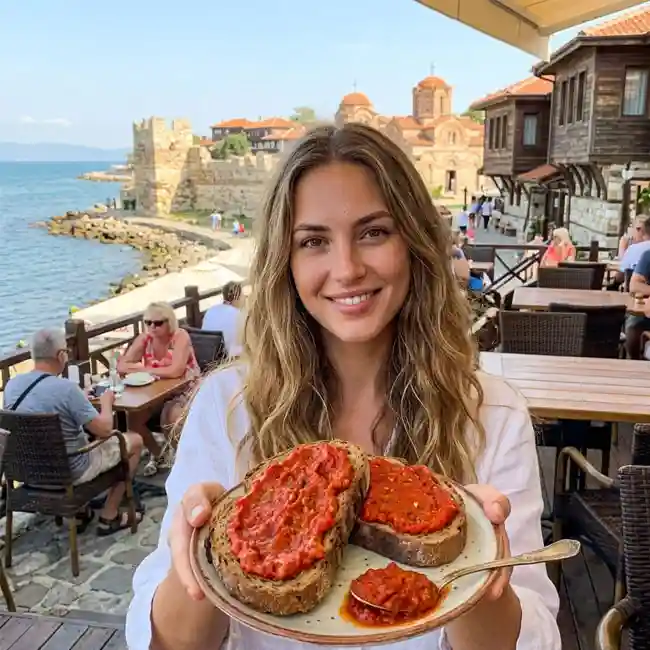
🍅 Recipe 1: Classic Homemade Lyutenitsa
🥘 About this Recipe
If there is one flavor that every Bulgarian carries in their heart, it’s Lyutenitsa. This isn’t just a pepper spread; it’s a national treasure. Historically, families would gather in late autumn to roast hundreds of pounds of peppers over open fires. The result is a thick, slightly sweet, and incredibly smoky spread that goes on everything from morning toast to grilled dinners. It’s packed with Lycopene from the tomatoes and Vitamin C from the peppers, making it as healthy as it is delicious.
📝 Ingredients & Measurements
• 6 large Red Bell Peppers (flame-roasted and peeled)
• 3 medium Eggplants (roasted and peeled)
• 4 large ripe Tomatoes (pureed and simmered down)
• 3 medium Carrots (boiled until soft)
• 3 cloves of Garlic (finely minced)
• 1/2 cup of Sunflower Oil (or extra virgin olive oil for a lighter taste)
• 1 tablespoon of Honey or Coconut Sugar (to balance acidity)
• 2 teaspoons of Sea Salt
• 1 teaspoon of Ground Cumin
• 1/2 teaspoon of Black Pepper
👩🍳 Step-by-Step Instructions
1.The Roasting Phase: Start by roasting your peppers and eggplants. You can do this over a gas stove flame, under a broiler, or on a grill. You want the skins to be completely charred and black.
2.The Steam Bath: Place the hot charred vegetables in a bowl and cover it with plastic wrap for 10 minutes. This makes the skin slide right off.
3.The Puree: Peel the vegetables, remove the seeds from the peppers, and place them in a food processor along with the boiled carrots and tomato puree. Pulse until you reach your desired consistency—some like it smooth, others prefer a bit of a rustic "chunk."
4.The Simmer: Pour the mixture into a deep heavy-bottomed pot. Cook over medium-low heat, stirring constantly. You want the moisture to evaporate until the mixture is thick enough that a wooden spoon leaves a "path" on the bottom of the pot.
5.The Seasoning: Add the oil, salt, cumin, honey, and garlic during the last 15 minutes of simmering.
6.The Finish: Let it cool completely before serving. The flavors actually get better after a day in the fridge!
💡 Tips & Mistakes to Avoid
• Don't skip the roasting: Using raw peppers will give you a watery, flavorless sauce. That smoky char is the soul of the dish.
• Patience is key: If you don't simmer it long enough, the Lyutenitsa will be runny. It should be thick enough to spread like jam.
• Watch the splatter: As the mixture thickens, it can "pop" and splash. Use a lid partially covering the pot to keep your kitchen clean.
• Seed removal: Make sure to get all the black charred bits and pepper seeds out, or the texture will feel gritty.
❓ FAQ
Q1.Can I use canned peppers?
You can, but make sure they are roasted and peeled. However, fresh-roasted tastes 100% better.
Q2.How long does it last?
In an airtight jar in the fridge, it stays fresh for about 7 to 10 days.
Q3.Is it spicy?
Traditional Lyutenitsa is mild and sweet. If you want heat, you can add a pinch of chili flakes.
📌 Summary
Lyutenitsa is the ultimate Bulgarian comfort food. It’s a vegetable-dense spread that replaces sugary ketchup or processed dips perfectly. It’s hearty, smoky, and brings a burst of Bulgarian autumn to your table.
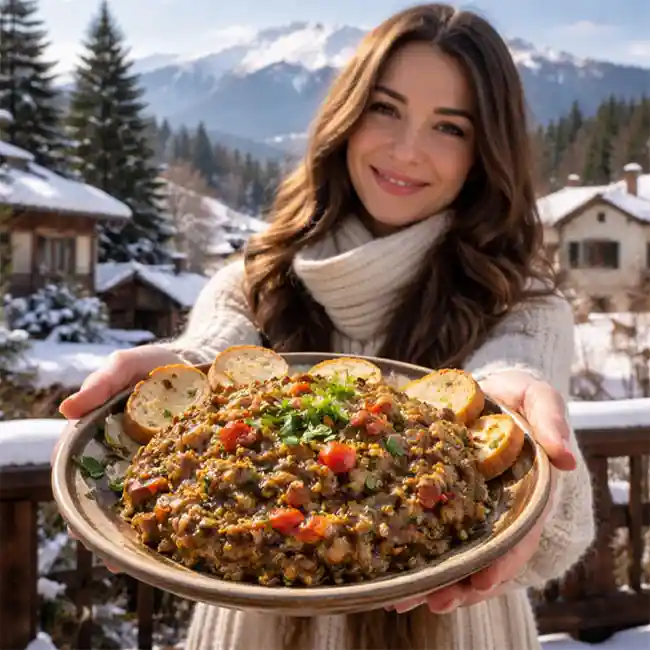
🍆 Recipe 2: Smoky Kyopolou (Eggplant & Pepper Dip)
🥘 About this Recipe
Kyopolou is like the sophisticated, earthy cousin of Lyutenitsa. While Lyutenitsa is dominated by the sweetness of tomatoes and peppers, Kyopolou lets the roasted eggplant shine. It’s a staple of the "meze" platter, usually served alongside fresh bread and white cheese. This dip is incredibly low in calories but high in fiber and antioxidants. It’s the perfect choice for anyone looking for a "meaty" texture in a completely plant-based dish.
📝 Ingredients & Measurements
• 4 large Eggplants
• 2 Red Bell Peppers
• 4 cloves of Garlic (mashed into a paste)
• 1/4 cup of Extra Virgin Olive Oil
• 2 tablespoons of Apple Cider Vinegar or Lemon Juice
• 1/2 cup of Fresh Parsley (finely chopped)
• 1/2 cup of Walnuts (crushed, for topping and texture)
• 1 teaspoon of Salt
• 1/2 teaspoon of Black Pepper
👩🍳 Step-by-Step Instructions
1.Char the Veggies: Just like the first recipe, roast the eggplants and peppers until the skins are burnt. For eggplants, poke a few holes in them first so they don't "explode" in your oven!
2.Drain the Bitterness: After peeling the roasted eggplants, place them in a colander for about 15 minutes. This allows the bitter juices to drain away, which is crucial for a smooth flavor.
3.Mash or Pulse: Traditionally, Kyopolou is made in a wooden mortar and pestle to keep it chunky. If using a processor, pulse very briefly. You want to see the bits of eggplant and pepper.
4.Emulsify: In a separate small bowl, whisk the olive oil, vinegar, garlic, salt, and pepper until combined.
5.Fold it in: Mix the dressing into the vegetable mash. Stir in the fresh parsley.
6.The Garnish: Top with plenty of crushed walnuts before serving.
💡 Tips & Mistakes to Avoid
• Forgetting to drain the eggplant: This is the most common mistake. Eggplant holds a lot of water; if you don't drain it, your Kyopolou will be a soggy mess.
• Over-processing: Do not turn this into a liquid soup! It should have a thick, spreadable, and slightly lumpy consistency.
• Using old garlic: Fresh garlic is essential here. The sharp bite of the garlic balances the smoky, fatty flavor of the roasted eggplant.
❓ FAQ
Q1.Can I make this ahead of time?
Yes! In fact, it tastes much better after 2 or 3 hours when the garlic and vinegar have marinated the vegetables.
Q2.Is Kyopolou vegan?
Yes, it is 100% vegan and gluten-free.
Q3.What should I serve it with?
It’s amazing with toasted sourdough, pita bread, or as a side dish for grilled chicken or tofu.
📌 Summary
Kyopolou is a masterclass in Bulgarian minimalism. By using just a few high-quality vegetables and proper roasting techniques, you create a rich, smoky dip that feels incredibly indulgent while staying completely healthy.

🥛 Recipe 3: Snezhanka Salad (Snow White Dip)
🥘 About this Recipe
After all that smoky, roasted goodness, you need something to cool your palate. Enter Snezhanka, which literally translates to "Snow White." This is Bulgaria’s answer to Tzatziki, but it’s much thicker and richer. The secret is the world-famous Bulgarian yogurt. It’s a refreshing, probiotic-rich appetizer that’s perfect for gut health. It’s light, crunchy, and incredibly satisfying on a hot summer day.
📝 Ingredients & Measurements
• 2 cups of Strained Bulgarian Yogurt (or Greek Yogurt)
• 1 large English Cucumber (peeled and finely diced)
• 3 cloves of Garlic (pressed)
• 2 tablespoons of Fresh Dill (finely chopped)
• 2 tablespoons of Extra Virgin Olive Oil
• 1/2 cup of Walnuts (finely chopped)
• 1/2 teaspoon of Salt
• 5-6 Whole Walnuts (for decoration)
👩🍳 Step-by-Step Instructions
1.The Yogurt Prep: If you can’t find "strained" yogurt, take regular full-fat yogurt, put it in a cheesecloth, and hang it over a bowl for 4-6 hours. It should become thick like cream cheese.
2.The Cucumber Prep: Dice the cucumber into very small cubes (don't grate it, or it will release too much water). Sprinkle the cubes with a little salt and let them sit for 10 minutes, then pat them dry with a paper towel.
3.The Mix: In a large bowl, combine the thick yogurt, dried cucumber bits, minced garlic, and chopped dill.
4.The Crunch: Fold in the chopped walnuts. These provide a necessary healthy fat and a great texture contrast to the creamy yogurt.
5.The Dressing: Drizzle the olive oil over the top and add salt to taste.
6.Chill: Let it sit in the fridge for at least an hour before serving so the garlic can infuse into the yogurt.
💡 Tips & Mistakes to Avoid
• Watery Yogurt: This is a "dip," not a "soup." If your yogurt isn't thick enough, the dish won't hold its shape.
• Wet Cucumbers: If you don't pat the cucumbers dry, they will release juice into the yogurt and make the salad runny.
• Don't be shy with Dill: Fresh dill is what gives Snezhanka its signature "Bulgarian" aroma. Avoid using dried dill if possible.
❓ FAQ
Q1.Can I use light yogurt?
You can, but the texture won't be as satisfying. For a healthy lifestyle, full-fat natural yogurt provides better satiety and nutrients.
Q2.Can I omit the walnuts?
You can if you have an allergy, but you'll lose that classic Bulgarian crunch!
Q3.How do I serve it?
It’s traditionally served as a scoop (like ice cream) on a plate, garnished with an olive or a sprig of dill.
📌 Summary
Snezhanka is the ultimate refreshing appetizer. It’s high in protein, packed with probiotics, and provides a crisp, clean flavor that perfectly balances the heavier, smokier roasted vegetable dishes.
🥗 Final Thoughts
There you have it—your ultimate guide to the big three of Bulgarian appetizers! What I love most about these recipes is that they prove you don't need complicated ingredients or unhealthy additives to make food that tastes like a five-star meal. Bulgarian cuisine is all about letting the vegetables speak for themselves.
Making these at home is surprisingly easy once you get the hang of roasting and straining. I really encourage you to try making them one by one. Maybe start with the Snezhanka since it’s so quick, then move on to the smoky Kyopolou, and finally challenge yourself with a big batch of Lyutenitsa.
Once you’ve tried them, I’d love to hear how it went! Did you prefer the smokiness of the eggplant or the sweetness of the peppers? Did your family fall in love with "Snow White"? Share your kitchen adventures and let's keep the tradition of healthy, communal eating alive. Happy cooking!
| 🇧🇬 🥪 < Back |