
🏠 Home > 🗺️ Recipes > 🍲 Soups > 🇧🇦 Bosnia Soups
🇧🇦 🍲 Bosnia Soups Recipes
Published by Supakorn | Updated: April 2026
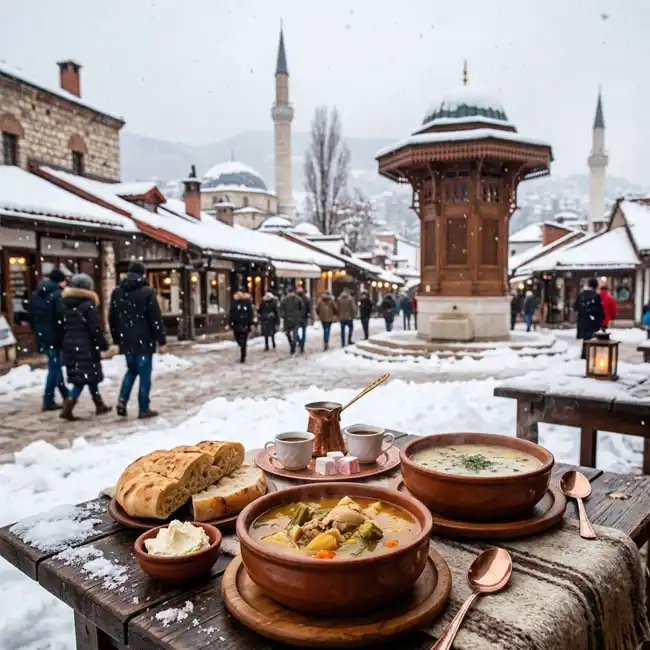
Hey there, fellow food explorer! If you’ve ever wandered through the cobblestone streets of Sarajevo or felt the misty breeze near the Mostar bridge, you know there is one thing that defines the spirit of Bosnia and Herzegovina: warmth. And I’m not just talking about the legendary hospitality of the people. I’m talking about that deep, soul-shaking warmth you get from a steaming bowl of traditional soup.
In this corner of the Balkans, soup isn't just an appetizer; it’s a way of life. It’s the prelude to every family gathering, the cure for a long winter, and the ultimate "welcome home" gesture. Let’s take a deep dive into the rich, aromatic world of Bosnian and Herzegovinian soups—without getting bogged down in the kitchen measurements just yet!
🇧🇦 🍲The Cultural Soul of the Bosnian Spoon🍛🥢
To understand Bosnian soup, you have to understand the "spoon culture." Locally, people often refer to eating a proper meal as eating something na kašiku (with a spoon). If a day goes by without a warm, liquid-based dish, a Bosnian grandmother might genuinely worry about your well-being!
The culinary landscape here is a beautiful, messy, and delicious intersection of history. You’ve got the heavy influence of the Ottoman Empire (think rich stews and creamy textures) clashing and melding with Austro-Hungarian refinement and indigenous Slavic traditions. This creates a flavor profile that is earthy, comforting, and incredibly honest. There’s no pretense here—just high-quality meat, fresh root vegetables, and a lot of patience.
🏠 Dining Etiquette and the Social Fabric
In Bosnia and Herzegovina, the "living room" is often the kitchen table. When you visit a home, the first thing you'll smell is a pot simmering on the stove. Soups, or Čorba (a word derived from Persian/Turkish roots), are usually served in deep ceramic bowls.
It’s common to see a big loaf of crusty, homemade bread (like somun or pogača) right in the center of the table. You don’t just eat the soup; you participate in it. You tear the bread, you dip, you share stories, and you always—always—go back for seconds.
🥣 The All-Stars: Iconic Bosnian Soups You Need to Know
If you were to create a "Mount Rushmore" of Bosnian comfort food, these soups would be carved in stone. Each one tells a different story of the region’s geography and history.
👑 Begova Čorba (Bey’s Soup)
This is the undisputed royalty of Bosnian soups. Historically served to the "Beys" (Ottoman governors), this dish is the definition of "fancy comfort." What makes it special?
• The Texture: It’s thick and creamy, but not because of heavy flour—it’s the slow-simmering of chicken and vegetables.
• The Secret Ingredient: Okra. These little pods give the soup a unique silkiness that you won’t find in your average chicken noodle soup.
• The Finish: It’s often topped with a dollop of mileram (thick sour cream) and a squeeze of lemon to brighten up the richness.
🍲 Bosanski Lonac (The Bosnian Pot)
While technically a slow-cooked stew, many locals categorize it under the "spoon dish" umbrella. This is the national dish, and it represents the country perfectly. Traditionally, miners and farmers would toss layers of large chunks of meat (beef and lamb) and various vegetables (cabbage, potatoes, carrots, peppers) into a ceramic pot, seal it, and let it cook for hours—sometimes even buried in embers. It’s rugged, hearty, and tastes like the mountains.
🌾 Tarhana Čorba
This one is a fascinating bit of food history. Tarhana is actually the name of a dried grain product made from a fermented mixture of grain and yogurt or fermented milk.
• The Process: The dough is dried and crumbled into tiny pebbles.
• The Flavor: When cooked into a soup with tomato base and a bit of meat, it creates a slightly sour, tangy, and incredibly savory experience. It’s the ultimate "recovery" soup. If you’re feeling under the weather, Tarhana is what the doctor (and Grandma) orders.
🧅 Bamija (Okra Stew)
Particularly popular in regions with heavy Ottoman roots, Bamija is a labor of love. Okra can be tricky to cook, but when done right with tender veal, it becomes a melt-in-your-mouth delicacy. It’s slightly acidic, deeply savory, and usually served at weddings or special holidays.
⛰️ Geography on a Plate: From the Highlands to the Coast
Bosnia and Herzegovina is a country of diverse micro-climates, and the soups reflect that.
❄️ The Central Mountains
In the snowy heart of the country, soups are designed for survival. You’ll find more beans (Grah), smoked meats, and dried spices. The use of dried beef (suho meso) adds a smoky depth to soups that can warm you up even when it’s 5 degrees Fahrenheit / -15 degrees Celsius outside.
☀️ The Herzegovinian South
As you move south toward Mostar and the Adriatic border, the soups get a bit lighter. You’ll see more wild herbs, Mediterranean vegetables, and even some influences from the coast. The flavors become more vibrant, leaning heavily on high-quality olive oils and fresh seasonal greens.
🌿 The "Secret" Ingredients of the Balkans
What makes these soups taste so different from a standard canned soup? It’s all about the "Mirepoix" of the Balkans.
1.Vegeta: Let’s be real—you can’t talk about Balkan cooking without mentioning this blue bag of magic. It’s a vegetable seasoning salt that finds its way into almost every pot.
2.Root Vegetables: Parsnip, celery root, and parsley root are the unsung heroes. They provide a foundational sweetness and earthiness.
3.Slow Cooking: There is no "instant" in Bosnian tradition. The flavors develop through time. Most of these soups are simmered until the meat is literally falling apart.
4.Sour Cream (Pavlaka/Mileram): Most Bosnian soups aren't complete until a massive spoonful of cold, thick cream is swirled in at the very end, turning the broth into a velvety masterpiece.
✨ The Philosophy of the "Slow Spoon"
In our fast-paced world of 30-second recipes and microwave meals, the Bosnian soup tradition is a reminder to slow down. It’s about the ritual of the morning—chopping onions, browning meat, and letting the aroma fill the house for three hours before anyone even thinks about sitting down to eat.
In Bosnia, if you ask someone for a recipe, they won't give you grams and milliliters. They’ll say, "add enough water to cover the meat," or "cook it until it looks right." It’s an intuitive way of cooking that relies on the senses rather than a timer. This "vibe-based" cooking is why no two bowls of Begova Čorba ever taste exactly the same, yet they all feel like home.
🥘 Living and Breathing the Soup Culture
If you ever find yourself in a traditional Bosnian restaurant (an Aščinica), you’ll see rows of metal pots sitting on a hot plate. This is the "fast food" of Bosnia—but it’s healthy! Workers, students, and elders all line up for a bowl of soup for lunch.
It’s affordable, nourishing, and deeply communal. You’ll see a CEO sitting next to a construction worker, both enjoying the same Grah (bean soup). It’s the great equalizer. In a country with a complex history, the dinner table—and specifically the soup bowl—is a place of common ground and shared peace.
❓ FAQ: Your Bosnian Soup Questions Answered
🙋♂️ Q1.Is Bosnian soup always meat-based?
While meat (beef, lamb, and chicken) is a huge part of the tradition, there are many vegetable-heavy options! Grah (bean soup) can be made without meat, and many potato or pumpkin soups are common during fasting periods. However, the "classics" like Begova Čorba almost always feature high-quality meat as the star.
🙋♂️ Q2.What is the difference between Čorba and Supa?
Great question! In Bosnia, Supa usually refers to a clear, thin broth (like a simple bouillon with thin noodles). Čorba is the heavy hitter—it’s thick, rich, often contains a thickening agent like a roux or cream, and is filled with chunks of meat and veg. If you're hungry, you want the Čorba!
So, there you have it! A whirlwind tour of the steaming, savory, and heart-warming world of Bosnia and Herzegovina’s soup culture. It’s a cuisine built on love, history, and the simple magic of a well-used spoon. Next time you're looking for comfort, remember that there's a whole world of Balkan flavors waiting to be discovered.
Enjoy the journey, and as they say in Bosnia—Prijatno! (Enjoy your meal!)
🍲 Sophisticated Balkan Comfort: A Guide to Romantic Bosnian
| 🌐 🍲 < Back | 🇧🇦 🍷 < Previous | Next > 🥗 🇧🇦 |