
🏠 Home > 🗺️ Recipes > 🍲 Soups > 🇦🇺 Australia Soups
🇦🇺 🍲 Australia Soups Recipes
Published by Supakorn | Updated: February 2026
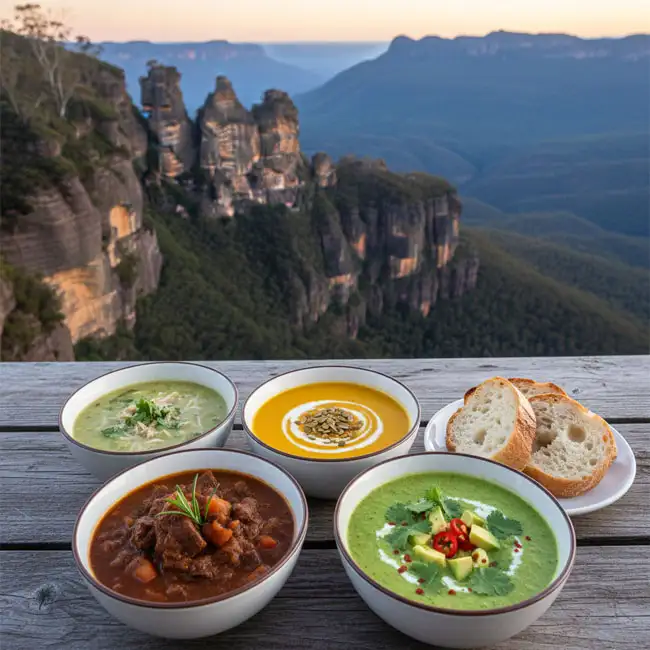
When people think about Australian food, soups are not always the first thing that comes to mind. Australia is famous for outdoor cooking, fresh produce, and relaxed meals, so soups often live quietly in the background. But if you look closer, soups play an important role in Australian food culture—especially when it comes to comfort, seasonal eating, and multicultural influence.
Australian soups are practical, warming, and deeply connected to everyday life. They are enjoyed at home, in cafés, at local bakeries, and sometimes as part of family traditions passed down through generations. Rather than being overly complex, Australian soups tend to focus on good ingredients, balanced flavors, and ease of preparation.
This guide explores Australia’s soup culture, including iconic soup styles, daily eating habits, and the social meaning behind a warm bowl of soup—without diving into recipes.
🍲 Soup Culture in Australia – Quiet but Meaningful
Soup culture in Australia is subtle. It doesn’t shout for attention, but it shows up when people need comfort, warmth, or something nourishing. Soups are especially popular during cooler months, when Australians naturally shift toward heartier, warming meals.
Unlike some countries where soup is eaten daily, in Australia it’s often situational. A bowl of soup might appear after a long day, during colder weather, or when someone wants something light yet satisfying. This makes soup feel personal and comforting rather than routine.
Soups also reflect Australia’s lifestyle. They’re often easy to prepare, easy to store, and perfect for leftovers. Many Australians see soup as a practical solution—food that fits into busy lives without sacrificing flavor or nourishment.
🥣 Comfort Food for Everyday Life
In Australian households, soup is strongly associated with comfort. It’s commonly made when someone isn’t feeling well, when the weather turns cold, or when a family wants something simple and filling.
Because of this, soups often carry emotional value. They remind people of home, family care, and quiet evenings. This emotional connection is a key reason soups remain part of Australian food culture, even if they’re not always in the spotlight.
🌦️ Climate and Seasonal Eating
Australia’s climate has a big influence on soup consumption. In warmer regions, soups may be lighter and eaten less frequently. In cooler areas or during winter, soups become much more common.
Seasonal vegetables and fresh produce often shape the type of soup people enjoy. Australians generally prefer soups that feel fresh and balanced rather than heavy or overly rich.
🥕 Traditional and Familiar Australian Soup Styles
Australia doesn’t have a long list of globally famous soups, but it does have several familiar soup styles that feel deeply rooted in everyday life. These soups reflect British heritage, rural traditions, and simple home cooking.
🍖 Hearty Soups and Simple Broths
Many traditional Australian soups are hearty and filling. They often feature vegetables, slow-cooked components, and clear or lightly thickened broths. These soups were especially popular in rural areas, where practical, nourishing meals were essential.
These styles of soup focus on warmth and sustenance rather than strong spices or complex techniques. They represent Australia’s practical approach to food—meals that do the job and taste good without fuss.
🥔 Vegetable-Based Comfort Soups
Vegetable soups are a staple in many Australian homes. They’re flexible, adaptable, and ideal for using seasonal produce.
For many Australians, vegetable soup is associated with childhood memories, family dinners, and simple weeknight meals. It’s a reminder that soup doesn’t need to be fancy to be satisfying.
🌍 Multicultural Influence on Australian Soups
One of the most important influences on Australian soup culture is migration. Australia’s diverse population has introduced a wide range of soup traditions from around the world. Over time, these soups have become part of everyday Australian eating habits.
Rather than staying strictly traditional, many soups have been adapted to suit local tastes—often lighter, less oily, and focused on balance.
🍜 Asian-Inspired Soup Culture
Asian-inspired soups are extremely popular in Australia. They are widely available in restaurants, takeaway shops, and even home kitchens.
These soups fit perfectly into Australian lifestyles because they can be light, quick, and deeply comforting at the same time. Many Australians enjoy them as casual meals rather than special occasions.
🥖 European Roots and Modern Adaptations
European-style soups also play a role in Australian food culture, particularly those with simple bases and comforting textures. Over time, these soups have been simplified and adapted, reflecting Australia’s preference for approachable food.
Instead of strict tradition, Australians often focus on flavor and practicality, creating soups that feel familiar but flexible.
🏡 Soup at Home – Family, Care, and Routine
At home, soup is often linked to care and wellbeing. Many Australians associate soup with being looked after—by parents, grandparents, or loved ones.
Soup is also a popular make-ahead meal. Families often prepare a large pot and enjoy it over several days, reinforcing soup’s role as a dependable and economical choice.
❤️ Soup as a Symbol of Care
In Australian culture, offering soup can be a quiet way of showing care. It’s often made for someone who needs comfort or rest.
This emotional role gives soup a deeper meaning beyond taste. It becomes a gesture rather than just a dish.
🕰️ Soup in Busy Modern Life
Modern Australian life can be fast-paced, and soup fits well into this rhythm. It’s easy to reheat, easy to portion, and easy to enjoy without much preparation.
This practicality keeps soup relevant, even as food trends change.
☕ Soup in Cafés and Casual Dining
While cafés in Australia are famous for baked goods and light meals, soups often appear as seasonal specials. They’re usually offered during cooler months and appeal to customers looking for something warm and nourishing.
Café soups are typically simple, well-balanced, and served as part of a relaxed meal rather than a formal dining experience.
🥪 Soup as a Light Meal Option
In cafés, soup is often chosen as a lighter meal option. It suits people who want something filling without feeling heavy.
This aligns perfectly with Australia’s food culture, which values moderation and balance.
🍽️ Soup and Social Eating
Soup in cafés and casual settings is often enjoyed slowly, paired with conversation. It’s not rushed or overly structured, reflecting Australia’s laid-back dining style.
🌿 Ingredients, Freshness, and Local Values
Australian soups often highlight fresh ingredients rather than complex seasoning. The focus is on letting natural flavors shine.
This approach reflects broader Australian food values—quality over quantity, freshness over excess, and enjoyment over perfection.
🥕 Local Produce and Simplicity
Access to good produce allows Australians to keep soups simple. Fresh vegetables and clean flavors are often enough to create a satisfying bowl.
Rather than hiding ingredients, Australian soups tend to showcase them.
🌱 Balanced and Everyday Eating
Soups fit naturally into balanced eating habits. They’re seen as nourishing and sensible without feeling restrictive or boring.
This makes soup an easy choice for people who want comfort and balance at the same time.
🍲 The Role of Soup in Australian Food Identity
Soup may not be Australia’s most famous dish, but it quietly represents many Australian values—care, simplicity, adaptability, and comfort.
It bridges generations, cultures, and lifestyles, making it an important part of the food landscape even without global recognition.
🧡 Nostalgia and Familiarity
Many Australians associate soup with memories of home, childhood, and family routines. These memories keep soup emotionally relevant.
Even as food trends evolve, soup remains familiar and reassuring.
🔄 A Food That Evolves with Culture
As Australia continues to grow and diversify, its soup culture evolves too. New influences appear, but the core idea stays the same—a warm, comforting bowl that fits everyday life.
🌏 Why Australian Soups Deserve More Attention
Australian soups may be understated, but they reflect the country’s food philosophy perfectly. They are adaptable, multicultural, and deeply human.
Rather than chasing complexity, Australian soups focus on comfort, balance, and connection.
✨ Simple Food with Strong Meaning
Soup in Australia proves that simple food can still carry strong cultural and emotional meaning.
It’s food that supports daily life rather than competing for attention.
🌈 A Quiet but Essential Part of the Table
While soups may not dominate menus, they quietly earn their place at the table. They show up when needed most—and that’s what makes them special.
❓ FAQ – Australia Soups
Q1: Are soups commonly eaten in Australia?
Soups are popular during cooler months and as comfort food, especially at home and in casual dining settings.
Q2: What influences Australian soup culture the most?
British heritage, multicultural migration, local produce, and a preference for simple, balanced meals.
Q3: Are Australian soups traditional or modern?
They are a mix of both—rooted in simple traditions but constantly evolving through global influences.
🍲 Comforting Australian Soup Recipes Full of Deep, Savory Taste
👉 Get 3 Best Flavorful Australia Soups
| 🌐 🍲 < Back | 🇦🇺 🍷 < Previous | Next > 🥗 🇦🇺 |