
🏠 Home > 🗺️ Recipes > 🍞 Breads > 🇦🇩 Andorra Breads > 🍞 Pa de Pagès (Catalan-Style Farmer's Bread) , Sopa de Galets (Festive Stuffed Pasta Soup) , Coca Masegada (Sweet Anise Flatbread)
🍞 A Taste of the Pyrenees: Essential Andorran Bread Recipes You'll Love
Published by Supakorn | Updated: February 2026
🏔️ Introduction: Beyond the Slopes: Savoring Andorra’s Culinary Comfort
Hey there, food adventurer!
When you hear the word "Andorra," your mind probably jumps to breathtaking ski resorts, duty-free shopping, or the stunning Pyrenean mountain views, right? It's easy to overlook the hidden gem of its culinary scene. Tucked between Spain and France, this tiny principality has a rich, hearty, and comforting gastronomy heavily influenced by Catalan tradition—and let me tell you, bread is at the very heart of it all.
Andorran food is all about warmth, tradition, and simple, high-quality ingredients that fill you up after a long day in the mountains. While some of these dishes are common in the wider Catalan region, they've found a special, beloved home here in the valleys of Andorra. These aren't just meals; they are culinary anchors for family gatherings, holiday feasts, and daily life. It’s all about rustic, flavorful cooking that connects you to the land.
Ready to bake, simmer, and sweeten your way through the best of Andorran home cooking? This guide is your best friend. We’re diving deep into three of the most popular and culturally significant bread-centric recipes that everyone—from locals to visitors—absolutely adores:
1.Pa de Pagès: The ultimate rustic country loaf, perfect for daily enjoyment.
2.Sopa de Galets: A festive, hearty soup featuring bread-based meatballs and giant stuffed pasta.
3.Coca Masegada: A traditional sweet flatbread, often enjoyed as a dessert or treat.
Forget the fancy restaurant fare for a moment; this is the soul food of Andorra. Let's get cooking!
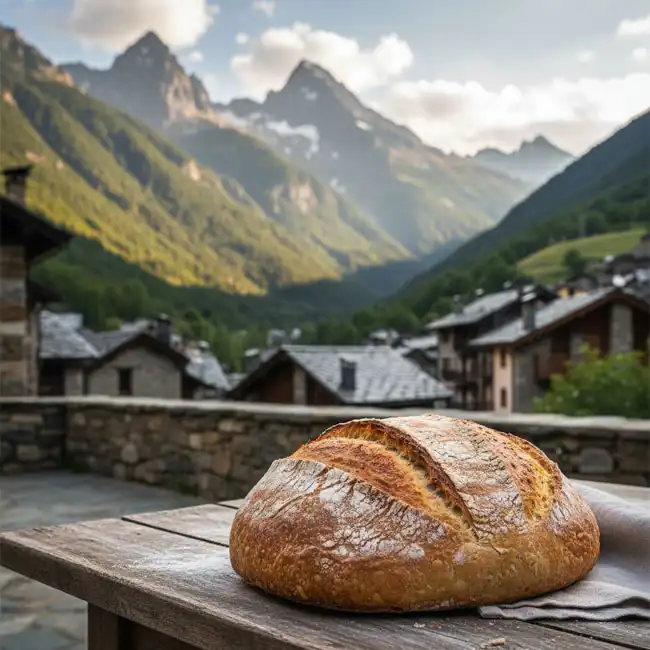
🥖 Recipe 1: Pa de Pagès (Catalan-Style Farmer's Bread)
🍞 About this Recipe: The Ultimate Rustic Loaf
When you think of traditional Catalan bread, you’re thinking of Pa de Pagès (pronounced pah deh pah-ZEHS), which literally translates to "Farmer's Bread." In Andorra, it’s a daily staple and the king of the table.
This isn't your delicate baguette. This is a crusty, hearty, round loaf with a slightly tangy, beautifully irregular crumb and a deeply satisfying chew. It’s made to last and, importantly, to be the perfect base for the iconic Pa amb Tomàquet (bread rubbed with fresh tomato, oil, and salt)—a foundational dish in both Andorran and Catalan cuisine. It’s simple, honest, and absolutely essential for any authentic meal. Baking this loaf in your home will fill the air with the comforting smell of a traditional Pyrenean masia (farmhouse).
📋 Ingredients & Measurements (Yields 1 Large Loaf)
- Flour: 500 g of strong bread flour (high protein content is best)
- Water: 350 g to 375 g of lukewarm water (70-75 hydration)
- Yeast (Fresh): 15 g of fresh baker's yeast
- or Yeast (Dry Active): 5 g to 7g of dry active yeast
- Salt: 10 g of fine sea salt
- Sourdough Starter (Optional but Recommended): 100 g of active, bubbly starter for a deeper flavor (adjust flour/water accordingly)
👩🍳 Step-by-Step Instructions
1.Activate the Yeast: In a small bowl, dissolve the yeast in a small amount of the lukewarm water. Let it sit for about 5-10 minutes until frothy.
2.Mix the Dough: In a large bowl or stand mixer, combine the flour and salt. Pour in the activated yeast mixture and the rest of the water (and the sourdough starter, if using). Mix everything until a shaggy dough forms.
3.Knead: Turn the dough out onto a lightly floured surface. Knead vigorously for 10-15 minutes until the dough is smooth, elastic, and passes the "windowpane test" (you can stretch a small piece thin enough to see light through it without tearing).
4.First Rise (Bulk Fermentation): Place the dough in a lightly oiled bowl, cover it with a cloth or plastic wrap, and let it rise in a warm place for 1.5 to 2 hours, or until it has doubled in size.
5.Shape the Loaf: Gently punch down the dough to release the air. Shape it into a tight, round boule (ball). Try to create surface tension without tearing the dough.
6.Second Rise (Proofing): Place the shaped dough into a proofing basket (banneton) or on a floured baking sheet, covered. Let it proof for another 45-60 minutes.
7.Preheat & Bake: Preheat your oven to 450°F or 230°C with a baking stone or Dutch oven inside for at least 30 minutes. Score the top of the loaf with a sharp knife or razor.
8.Baking:
- Dutch Oven Method: Carefully place the dough in the hot Dutch oven, cover it, and bake for 20 minutes. Remove the lid and bake for another 20-25 minutes until the crust is dark golden brown and the internal temperature is 205∘F / 95∘C.
- Baking Stone Method: Place the dough on the hot stone and introduce steam (e.g., by pouring water into a hot tray on the bottom rack). Bake for 40-50 minutes.
9.Cool: Let the loaf cool completely on a wire rack before slicing. This is crucial for texture!
💡 Tips & Mistakes to Avoid
- Use High-Quality Flour: A higher protein bread flour (around 12-14) is key to developing the strong gluten structure needed for that classic crust and crumb.
- Don't Rush the Rise: The flavor develops during the slow fermentation. Be patient! Cold fermentation overnight in the fridge can further enhance the rustic flavor.
- Embrace the Crust: A dark, thick crust is a must for Pa de Pagès. Don't be afraid to let it get deeply colored—that's where the magic is.
- Mistake to Avoid: Slicing it hot! You’ll ruin the texture and release too much moisture. Resist the urge and wait until it's fully cooled.
❓ FAQ
Q: Can I use whole wheat flour?
A: Yes, but the traditional loaf is predominantly white bread flour. You can substitute up to 25% of the flour with whole wheat for a nuttier flavor.
Q: What is the best way to eat Pa de Pagès?
A: Hands down, Pa amb Tomàquet (rubbed with tomato, drizzled with olive oil, and sprinkled with salt). It’s also great with cold cuts, cheese, or simply toasted with butter.
Q: How do I store leftovers?
A: Store it cut-side down on a cutting board, or wrap it in a linen towel at room temperature. Do not refrigerate!
✨ Summary
Pa de Pagès is more than just bread; it's the foundation of the Andorran table. Its rustic charm and simple flavor profile make it versatile for everything from breakfast toast to a sturdy accompaniment to stews. Master this recipe, and you've mastered the heart of Andorran daily life.

🥣 Recipe 2: Sopa de Galets (Festive Stuffed Pasta Soup)
🍲 About this Recipe: The Holiday Heart Warmer
While not strictly a bread recipe, Sopa de Galets (pronounced SOH-pah deh gah-LETS) features bread in one of its most critical components: the pilota (a large meatball) or the meat stuffing for the giant galets pasta shells. It’s an absolute staple during the festive season, particularly Christmas, in both Andorra and Catalonia.
This is a rich, flavorful broth, simmered for hours with various meats and bones, that becomes the base for large, decorative, snail-shell-shaped pasta (galets). The tradition involves stuffing these massive shells with a seasoned mixture of ground meat, and the use of stale breadcrumbs or soaked bread is essential to bind the filling and keep it tender. It's a truly spectacular, comforting, and deeply satisfying soup that is traditionally served as the first course of a big holiday meal.
📋 Ingredients & Measurements
For the Broth (The Consommé)
- Water: 4 L (16 cups)
- Meat/Bones: 500 g assorted bones (beef, chicken, ham hock)
- Meat: 250 g beef (e.g., shank), 250 g chicken (e.g., leg)
- Vegetables: 2 carrots, 1 leek, 1 onion, 1 celery stalk
- Salt: To taste
For the Meat Filling (The Pilota or Stuffing)
- Ground Meat: 200 g ground pork, 200 g ground beef
- Egg: 1 large egg
- Bread Component (Key!): 50 g breadcrumbs, or 2 slices of stale bread soaked in milk
- Seasoning: 2 cloves garlic (minced), 2 tbsp fresh parsley (minced), salt, and pepper to taste
For the Soup
- Galets Pasta: 200 g to 250 g of large galets (lumaconi or giant shell pasta)
🔪 Step-by-Step Instructions
1.Prepare the Broth: In a very large pot, combine the water, meats, bones, and coarsely chopped vegetables. Bring to a boil, then immediately skim off any foam that rises to the surface. Reduce heat and simmer gently for at least 3 hours (4 hours is even better!). Season lightly with salt.
2.Prepare the Filling: While the broth simmers, mix the ground pork and beef, egg, minced garlic, parsley, salt, and pepper in a bowl. Now, add the bread component: either the dry breadcrumbs or the squeezed, milk-soaked bread. Mix until just combined—don't overwork it!
3.Stuff the Galets: Using a small spoon or a piping bag, carefully fill each galet shell with the meat mixture. This is the most time-consuming part, so put on some music and enjoy the process!
4.Strain the Broth: When the broth is done, strain it through a fine-mesh sieve into a clean pot. Discard the bones and vegetables (or set aside the meat and some vegetables to serve as a secondary course, known as Carn d'Olla).
5.Cook the Pasta: Bring the strained broth to a boil. Add the stuffed galets. Cook according to the pasta package directions (usually around 18-20 minutes). The heat will cook the meat filling perfectly at the same time as the pasta.
6.Serve: Ladle the soup, making sure each bowl has several stuffed galets and plenty of rich broth. Serve immediately!
🌟 Tips & Mistakes to Avoid
- The Broth is King: The success of this soup hinges entirely on the broth. Don't skimp on simmering time or the quality of your meat and bones.
- The Bread Trick: The soaked stale bread is a traditional secret for the meat filling. It adds moisture and keeps the meatballs/stuffing incredibly tender. Using fresh breadcrumbs works, but for an authentic, soft texture, go with the soaked stale bread!
- Stuffing: Don't overstuff the pasta shells, or they might burst. Gently press the filling in, leaving a little room for it to expand.
❓ FAQ
Q: Can I make this with small pasta?
A: While you can use smaller pasta, the giant galets shells are essential for the traditional look and the ability to stuff them. If you can't find them, make a large pilota (meatball) and slice it into the soup instead.
Q: Is this soup served with bread?
A: Often, yes! Slices of the crusty Pa de Pagès are served on the side for dipping into the flavorful broth.
Q: Can I make the broth ahead of time?
A: Absolutely! The broth can be made 1-2 days in advance and refrigerated. Just make sure to bring it to a boil before adding the stuffed galets.
✨ Summary
Sopa de Galets is a deeply rooted tradition. It showcases the skill and generosity of Pyrenean cooking. It's the perfect winter warmer, especially for a holiday table, offering a complex, meat-rich flavor and a delightful textural surprise with every stuffed galet.

🍮 Recipe 3: Coca Masegada (Sweet Anise Flatbread)
🥖 About this Recipe: The Simple Sweet Treat
Moving from savory to sweet, we come to Coca Masegada (pronounced KOH-kah mah-seh-GAH-dah). The term coca refers to a whole family of Catalan flatbreads, both savory and sweet. Masegada implies that the dough is well-kneaded, achieving a bread-like consistency—it literally means "kneaded cake."
This particular version is a wonderfully simple, traditional sweet treat. It's often enjoyed as a light dessert after a meal or a simple afternoon snack (berenar). It’s characterized by a firm, yet tender, slightly dense flatbread flavored with milk and, crucially, anise seed or anise liqueur (known as aiguardent). Before baking, it's typically scored and pricked, and then dusted generously with sugar, creating a beautiful caramelized crust. It’s the perfect, unpretentious sweetness.
📋 Ingredients & Measurements (Yields 4 Small/Medium Coques)
- Flour: 500 g of all-purpose flour
- Sugar: 100 g of granulated sugar, plus extra for topping
- Eggs: 2 large eggs
- Milk: 150 mL of warm milk
- Olive Oil (or Butter): 50 mL of light olive oil or melted butter
- Yeast (Fresh): 15 g of fresh baker's yeast
- Anise Liqueur (Aguardent): 1 tbsp
- Anise Seeds (Matalahúga): 1 tsp
- Salt: A pinch
🍪 Step-by-Step Instructions
1.Activate Yeast & Wet Ingredients: Dissolve the yeast in the warm milk with a pinch of the sugar. In a separate bowl, whisk the eggs, oil (or butter), anise liqueur, and anise seeds.
2.Combine & Knead: In a large bowl, mix the flour, salt, and the remaining sugar. Pour in the yeast mixture and the egg mixture. Mix until a shaggy dough forms. Turn out onto a floured surface and knead well for about 10-15 minutes until the dough is smooth and elastic—this is the masegada part!
3.First Rise (Bulk Fermentation): Place the dough in a lightly oiled bowl, cover, and let it rise in a warm place for about 1 hour, or until nearly doubled in size.
4.Shape the Coques: Gently deflate the dough and divide it into 4 equal pieces. Roll each piece into a small ball. On a lightly floured baking sheet, flatten each ball into an oval or round flatbread, about 1.5 cm (3/4 inch) thick.
5.Prepare for Baking: Use a sharp knife to score the top of the dough in a diamond or parallel line pattern. This prevents it from puffing up too much. You can also prick it lightly with a fork.
6.Second Rise (Short Proof): Cover the coques loosely and let them rest for 20-30 minutes.
7.Topping & Baking: Preheat your oven to 350°F ( 175°C). Before putting them in the oven, brush the tops lightly with a little oil and generously sprinkle them with sugar.
8.Bake: Bake for 20-25 minutes, or until the coques are golden brown and the sugar has caramelized slightly.
9.Cool: Transfer to a wire rack. They are delicious served slightly warm or at room temperature.
🛑 Tips & Mistakes to Avoid
- The Anise Flavor: The traditional flavor comes from anise seeds (matalahúga) and the liqueur (aiguardent). If you don't have the liqueur, you can substitute with a few drops of anise extract, but the liqueur adds a unique depth.
- Do Not Over-Proof: Unlike a rustic loaf, you want this dough to be a little denser, so don't let it rise for too long in the second proof.
- The Scoring: Don't skip the scoring and pricking! It’s what gives Coca Masegada its signature flat, dense texture and prevents it from becoming a dome-shaped bread.
- Mistake to Avoid: Under-sweetening! The generous sugar dusting on top is key to creating that wonderful, crunchy, sweet crust.
❓ FAQ
Q: Can I freeze Coca Masegada?
A: Yes, you can freeze it. Once cooled, wrap it tightly in plastic wrap and foil. Thaw it at room temperature and refresh it for a few minutes in a warm oven.
Q: What is Aguardent?
A: Aguardent is a strong spirit, often grape-based (similar to brandy). The alcohol bakes off, leaving a beautiful, floral-anise flavor. You can often find it labeled as "Anís."
Q: Are there savory coques?
A: Yes, many! Savory coques often feature vegetables, cheese, or meat and are similar to a pizza or flatbread. Coca Masegada is specifically the sweet, bread-like version.
✨ Summary
The Coca Masegada is a delightful example of Andorran simplicity and tradition. It's an easy, rewarding bake that requires minimal fancy ingredients but delivers maximum comforting flavor. A slice of this sweet flatbread with a coffee or hot chocolate is the perfect end to a day in the mountains.
🍽️ Final Thoughts: The Rustic Charm of Andorran Baking
Well, my friend, we’ve just journeyed through the culinary peaks of Andorra!
As you can see, tackling these traditional recipes—from the humble, mighty Pa de Pagès to the festive Sopa de Galets (with its critical bread component) and the sweet, anise-scented Coca Masegada—isn't about complicated techniques. It’s about patience, good ingredients, and a touch of mountain heartiness.
The beautiful thing about Andorran food, like much of its neighboring Catalan cuisine, is its honesty. It's food that tells a story of farm life, family gatherings, and harsh winters made cozy with a full belly.
Now that you have these incredible long-form recipes and all the tips, I highly encourage you to start with one recipe that speaks to you the most.
- Need a daily staple? Go for the Pa de Pagès.
- Planning a special, celebratory meal? Dive into the Sopa de Galets.
- Looking for a simple, sweet comfort? The Coca Masegada is calling your name!
Don’t be intimidated. Embrace the rustic imperfections—that’s part of the charm! When you do try one, come back and share your experience. Did your Pa de Pagès crust turn out perfectly dark? Were your galets beautifully stuffed?
Happy cooking, and enjoy your delicious taste of the Pyrenees!
| 🇦🇩 🍞 < Back |